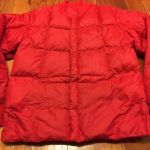
Carikit by Holubar Down Insulation Layer Jacket.

Holubar Carikit Down Insulation Layer Jacket

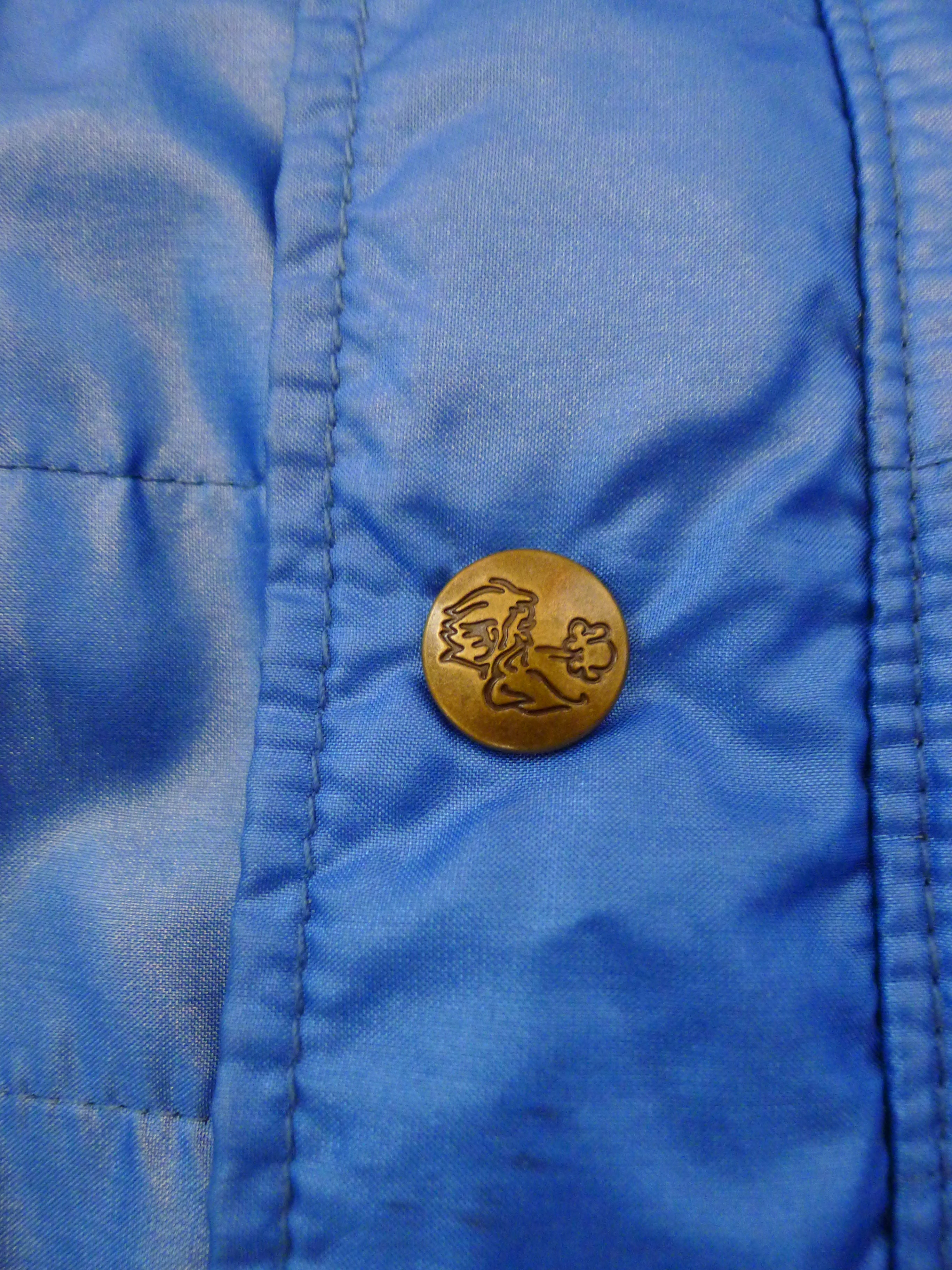
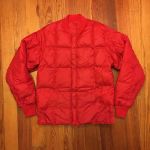
Carikit was Holubar’s foray into the sew-it-yourself market in the mid 1970s. The name was later changed to Holubar Sew-It-Yourself Kits for stronger brand recognition with the parent company. This garment could be used as a layering piece or  worn as a jacket. The style first popularized by Eddie Bauer features elastic cuffs and collar. Small snaps and two front pockets.

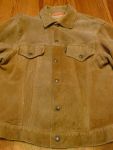
1960’S Levis Leather Type 3 Leather Jacket – Big E

Vintage 60'S Levis Leather Type 3 Jacket - Big E- suede rough out

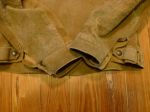
1960s Levis leather rough out leather jacket. The Jacket is similar in cut and construction to the Type 3 denim jacket produced during the same period, but has some pattern differences namely in the sleeves. Type 3 denim jackets are constructed using basically two pieces (not including the cuff) while the sleeves on this jacket are made up of four pieces. The torso of the jacket follows a much more similar pattern. Another noticeable difference is the use of snaps instead of the metal stud buttons.

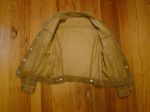
I’ve seen other listings claiming the jackets are suede, but I would classify it as rough out. The texture (even when new I am guessing) is just not as fine as suede. I’ve also seen listings claiming buck skin, which I can see judging by the inside of the jacket, but it seems more likely they were made from cow hide.

Similar jackets may contain Levi’s “short horn” Western Wear Label.

1982 Bell Moto 3 Helmet

1982 Bell Moto 3 helmet

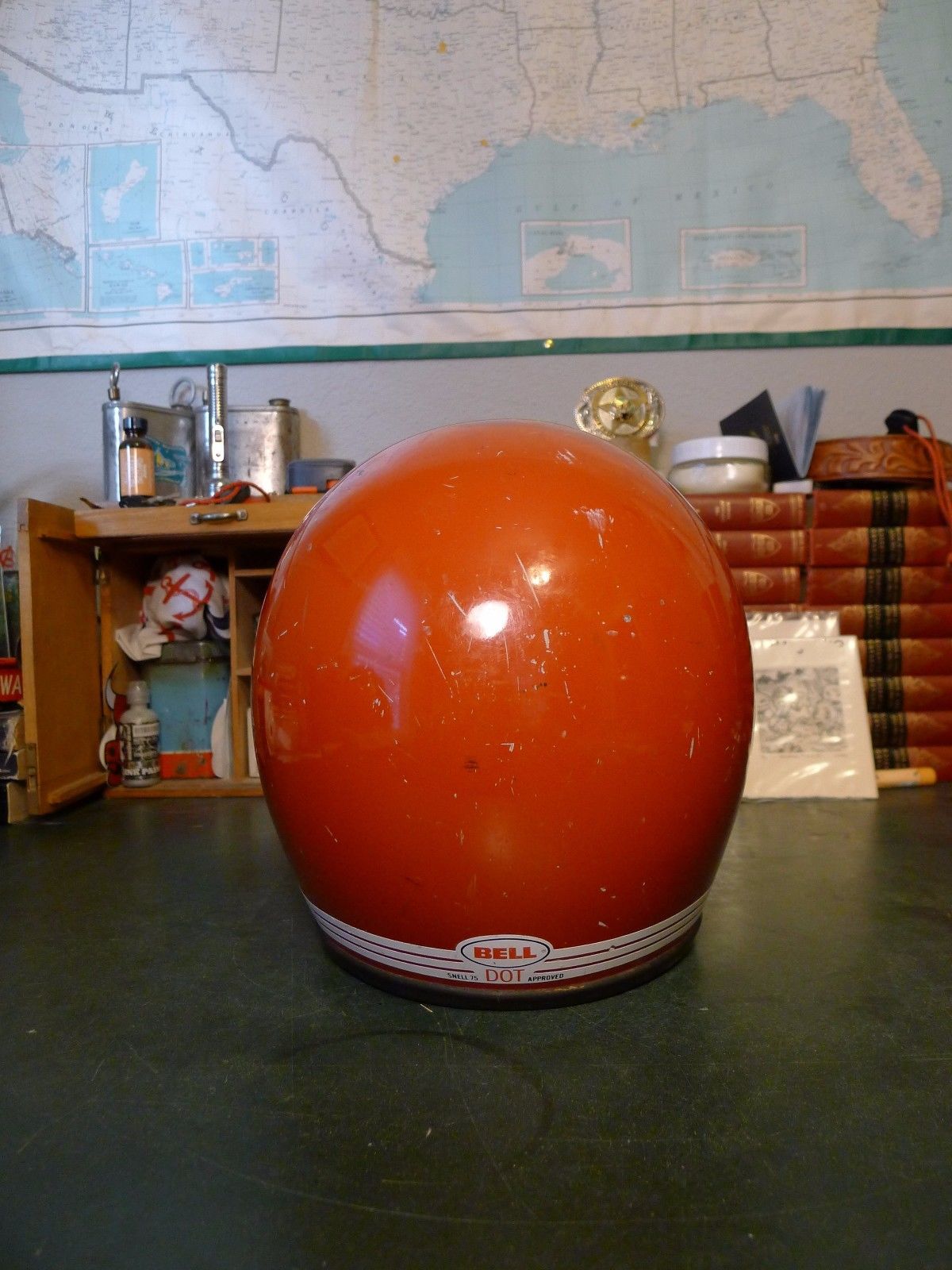
You are looking at a prime example of an original Bell Moto 3 helmet. There’s been a lot of buzz around this iconic full-face motocross helmet in the last couple years. The lids have gained somewhat of a cult following amongst both the chopper and cafe crowds and today, even worn examples like this sell for upwards of $300 on Etsy and eBay. The demand has reached such a fever pitch it’s inspired Bell to reintroduce the design amid a flock of imitators doing the same.

The history of the Moto 3 begins with the introduction of the Motostar in the late 70s and continues to present times with a series of numbered iterations. Contrary to what I’ve read, the Moto 3 is not the beginning of the line and was not introduced in the early 70s. Early Bell helmets (and this goes for some other manufacturers as well) are dated on the chin strap with an embossed or printed month and year. You can see here, this particular example is 8/82.

Looking for a cheaper, less cliché full face option to complete your look? Try the Moto 3’s younger brother the Moto 4. Similar in style, the 4 sells for around a third of the price while still offering that vintage motocross look you desire. Wanting something even cheaper and more original? Search for vintage Bieffe motocross helmets. They’re of a more late-80s early 90s aesthetic, complete with awesome decal arrangements and sell for around $30 in good used condition.

 

Vintage Belstaff Tourmaster Enduro Motorcycle Boots

Vintage Belstaff Tourmaster Enduro Motorcycle Boots

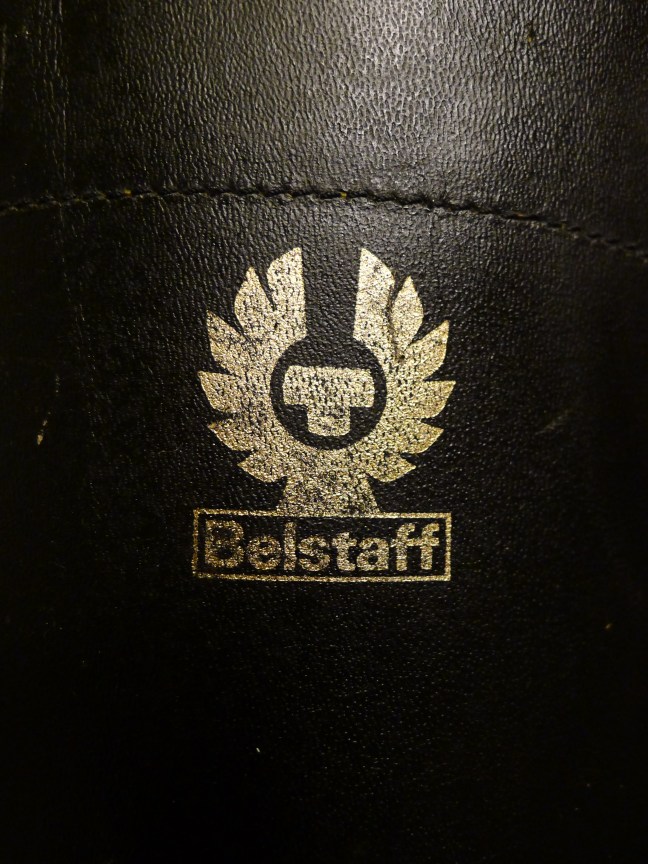
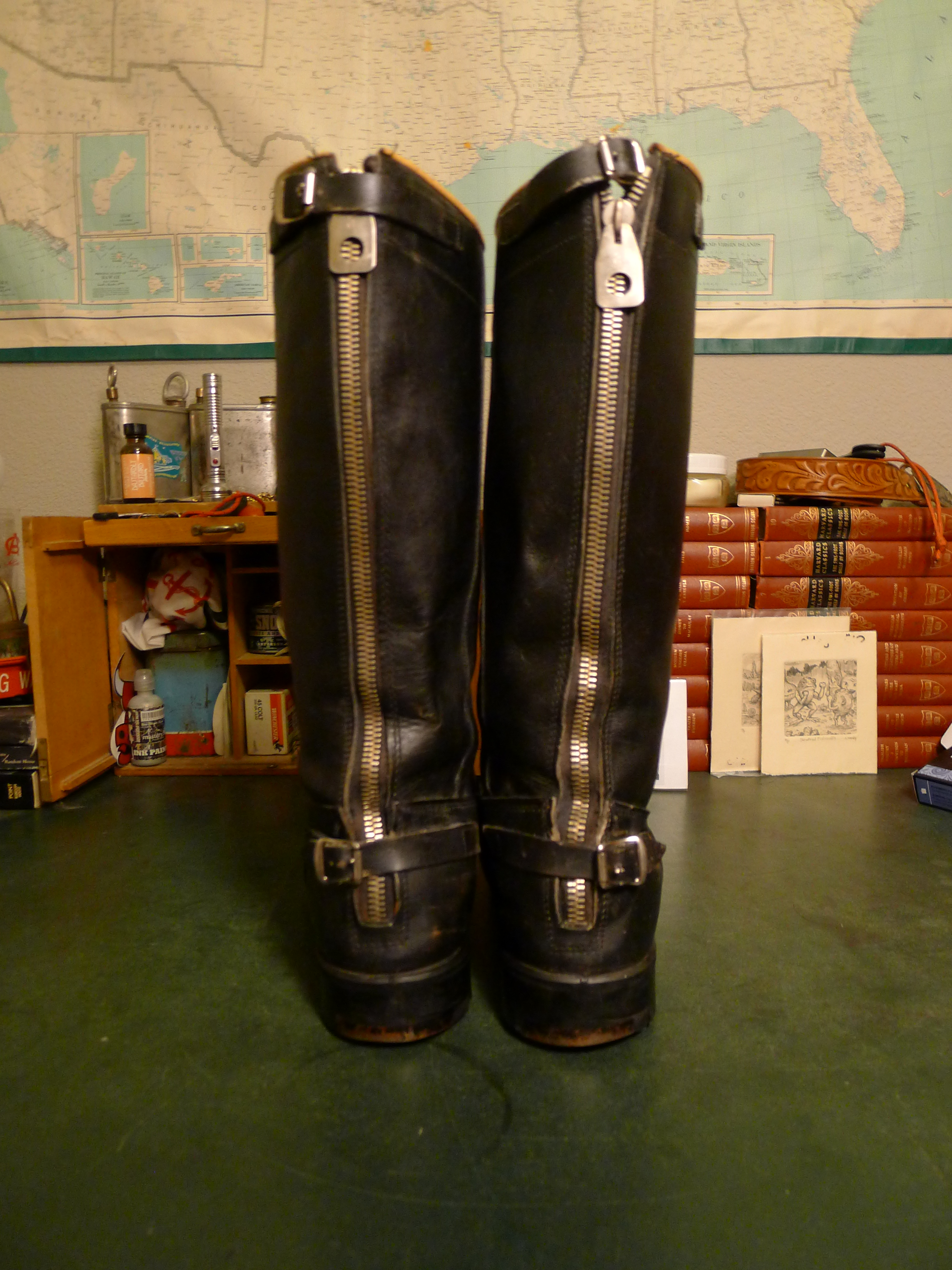
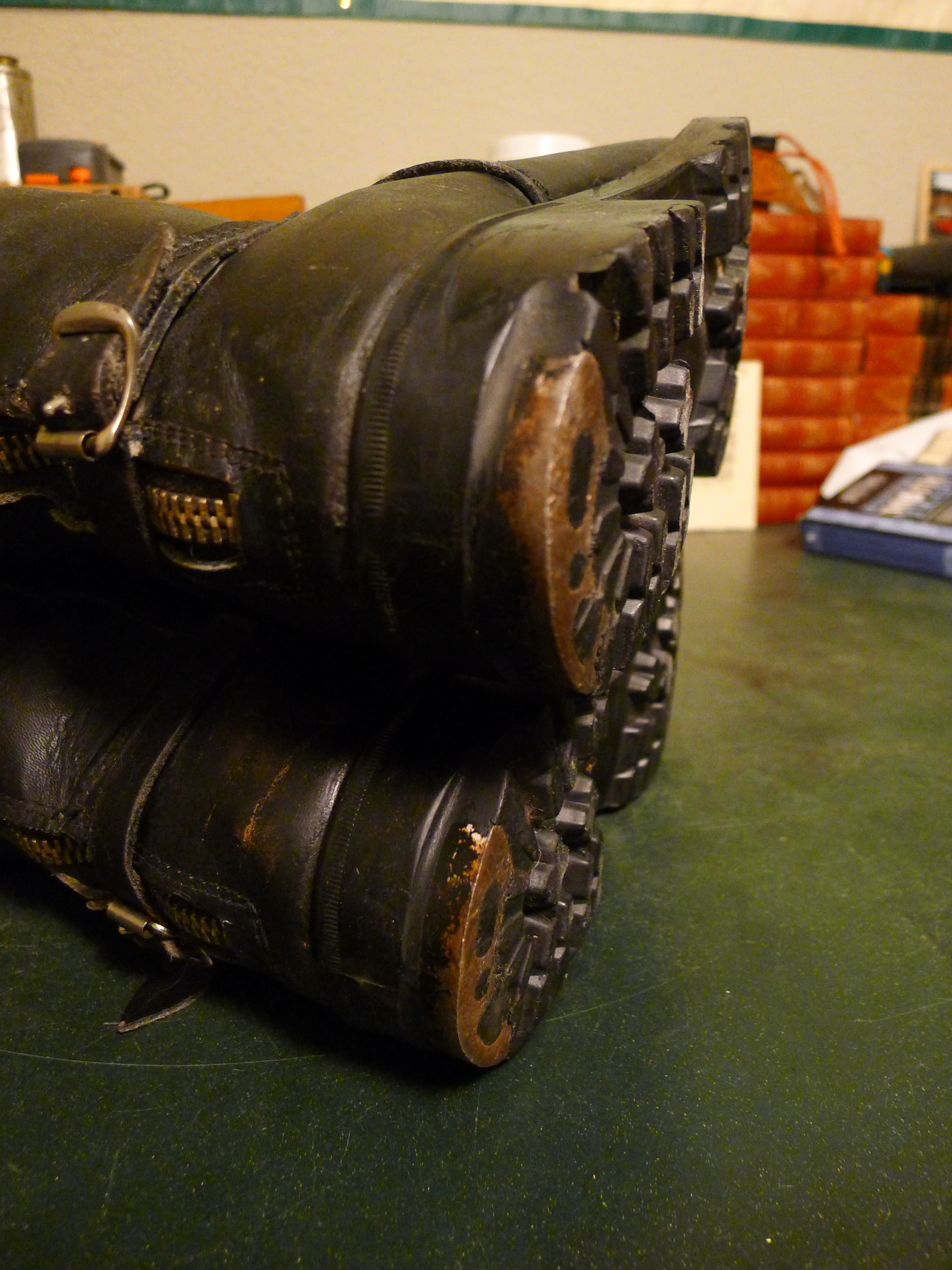
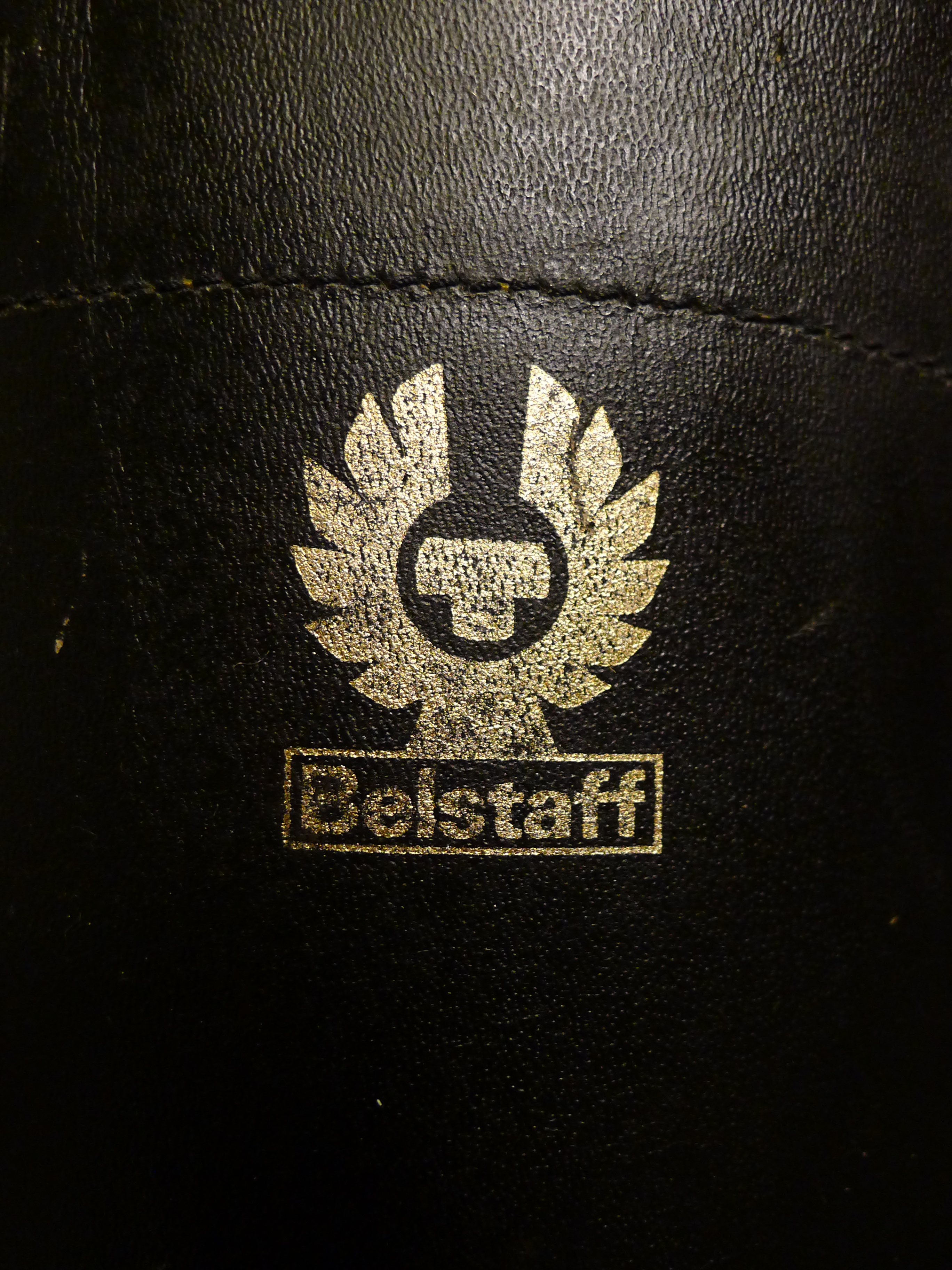
These rare 70s era Belstaff motorcycle boots were crafted in England and probably an expensive import for their day. The style is somewhere between a motocross and a road touring boot. The 15.5 inch shaft (measured outsides as the boots slope down on the inside edge of the shaft) is made easily accessible by the heavy gauge metal zipper at the back. The zipper features a large pull tag ensigned with the letter ‘a’, a maker’s mark I am not familiar with. Cinching straps at the heel and top of the shaft allow for a more custom fit. The solid one piece vamp rises high on the shaft for added protection from the road and elements. The soles are a heavy lugged rubber of similar style to that of a Vibram hiker, but are unlabeled. The inch and quarter tall heel has a metal insert which appears to have been hand carved and hammered in to prolong the wear and may lead to some show stopping sparks at night if dragged ever so lightly across the asphalt. The top of the shaft is finished with a yellow leather insert that creates a nice finish and compliments the gold Belstaff logo on the outside of each shaft.

Holubar Royalite II Tent

Holubar Royalite II Tent

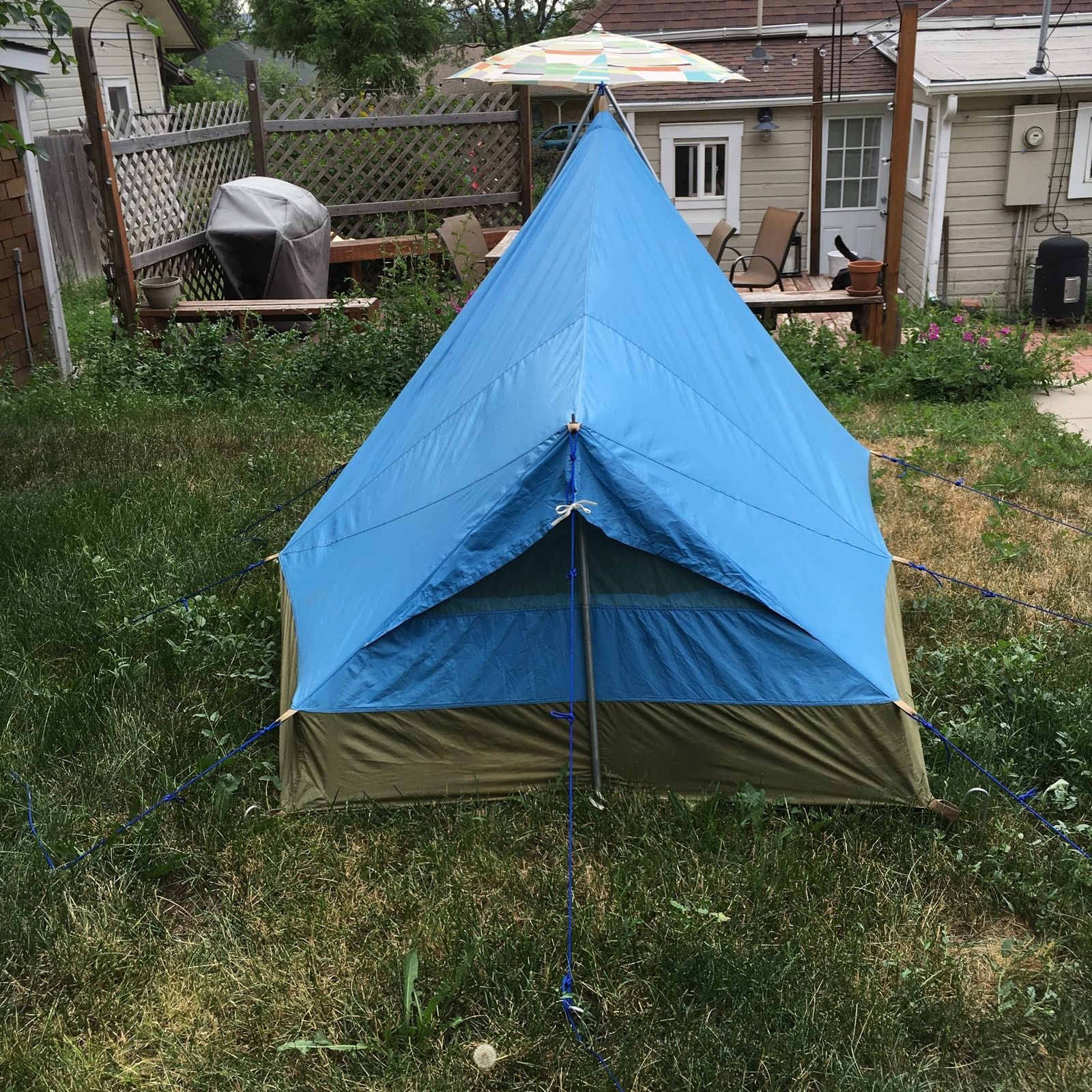
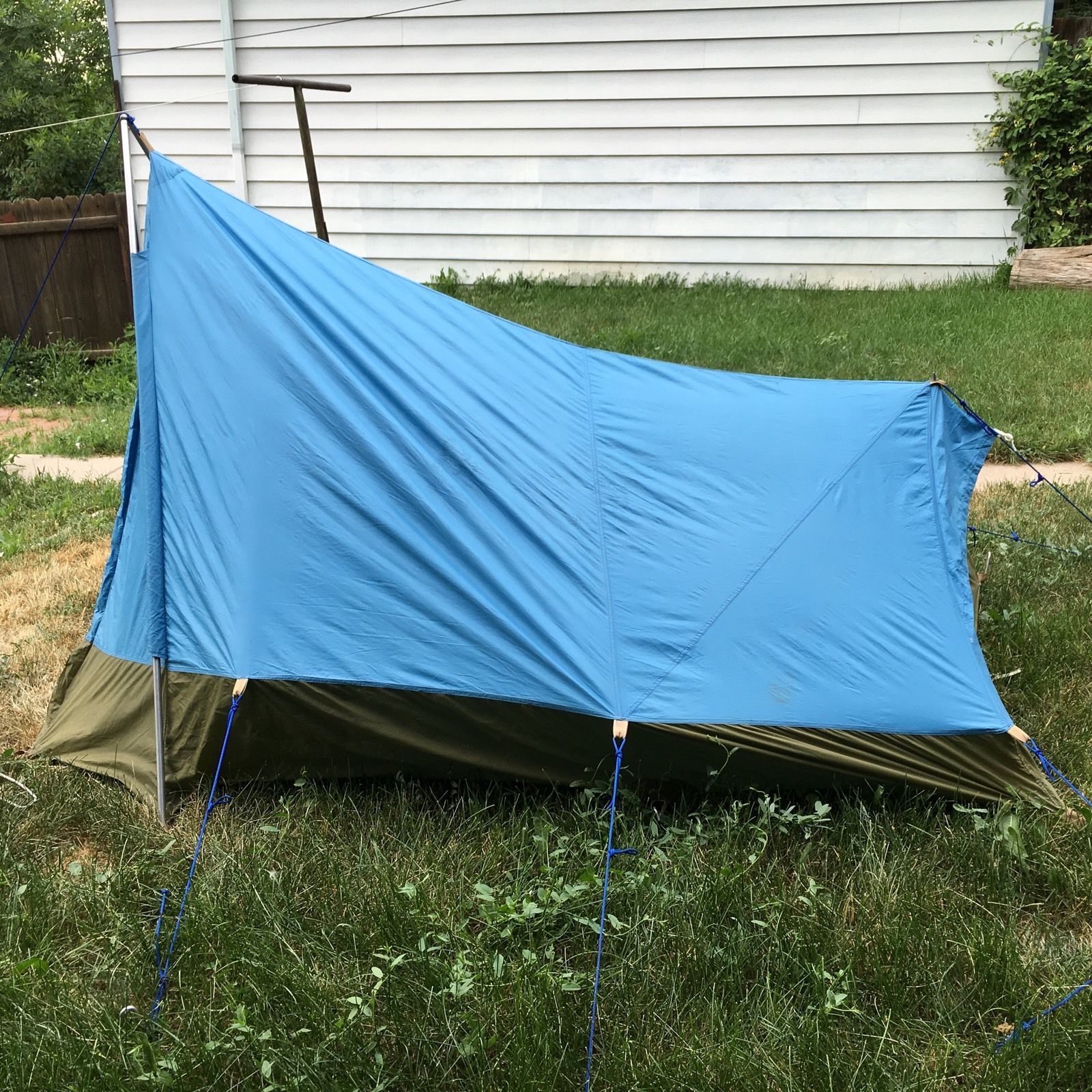
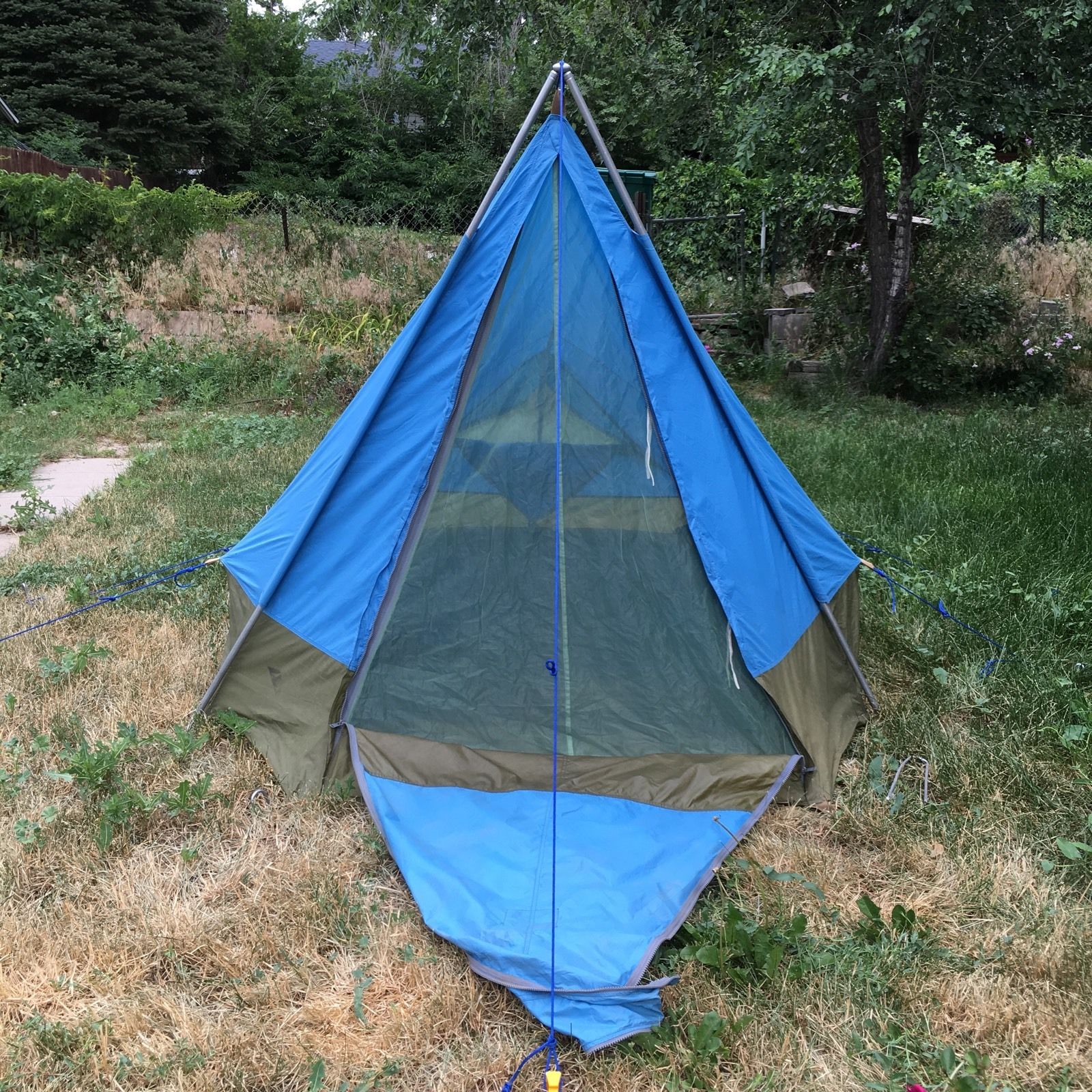
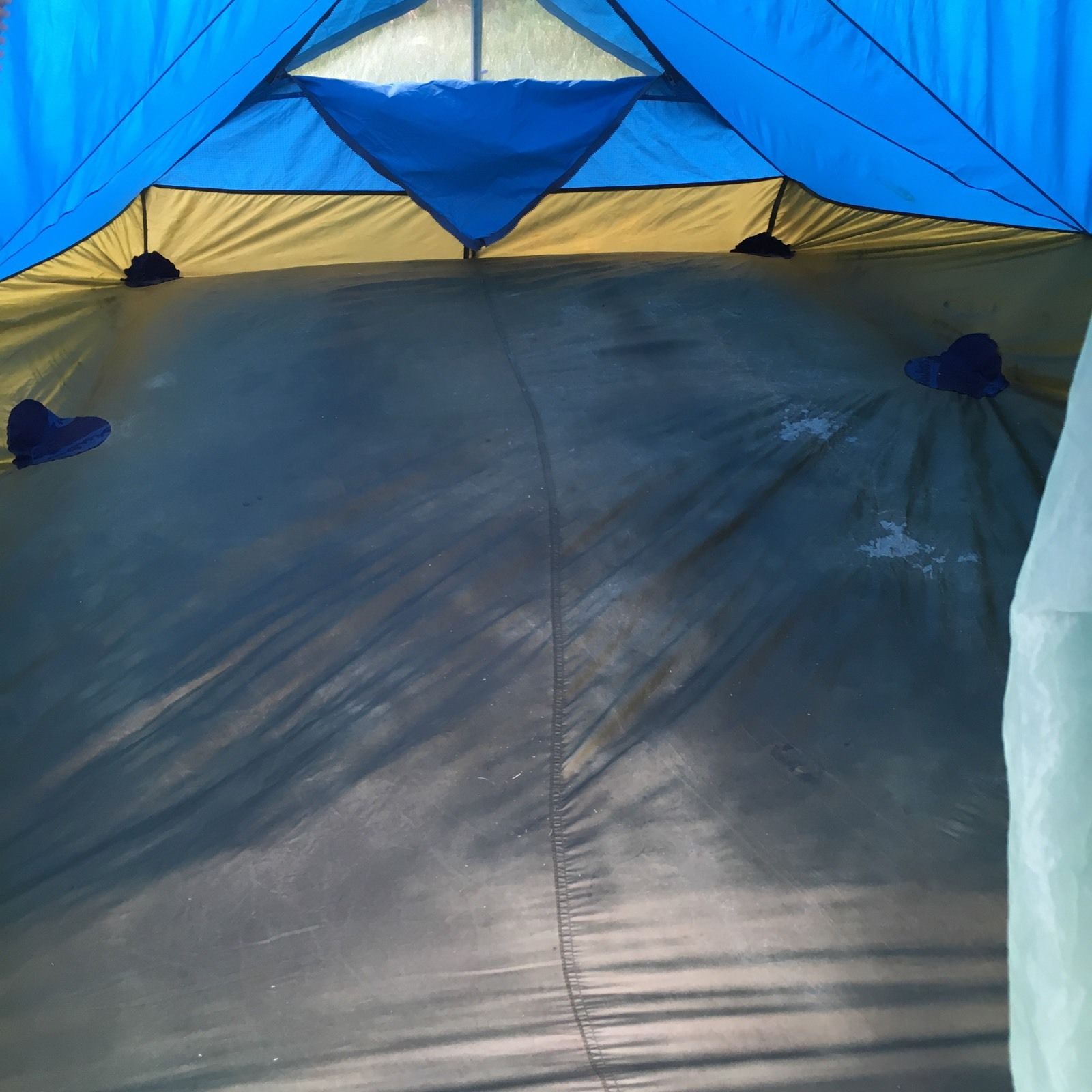
Classic and iconic design can be found in this early 70s Holubar Royalight II tent. The example seen here is unfortunately without the rain fly that would have accompanied it. The model was a semi-traditional A-frame style tent with adjoining shock-cord laced poles up front and a single pole down the center of the foot of the tent. Tent can be vented at the front and foot through screen lined windows.

The 1973 Backpacker Magazine “Tent Issue” (issue 3) praises the tent for top-notch construction quality but goes on to say, “The beautiful construction quality makes the tent’s shortcomings that much more frustrating.” Sighting the fit of the rain fly, door zipper placements and weight. The article goes on to praise Holubar’s new tent, the Chateau as a better design.

Gerry Nylon Parka

Vintage Gerry Nylon Parka

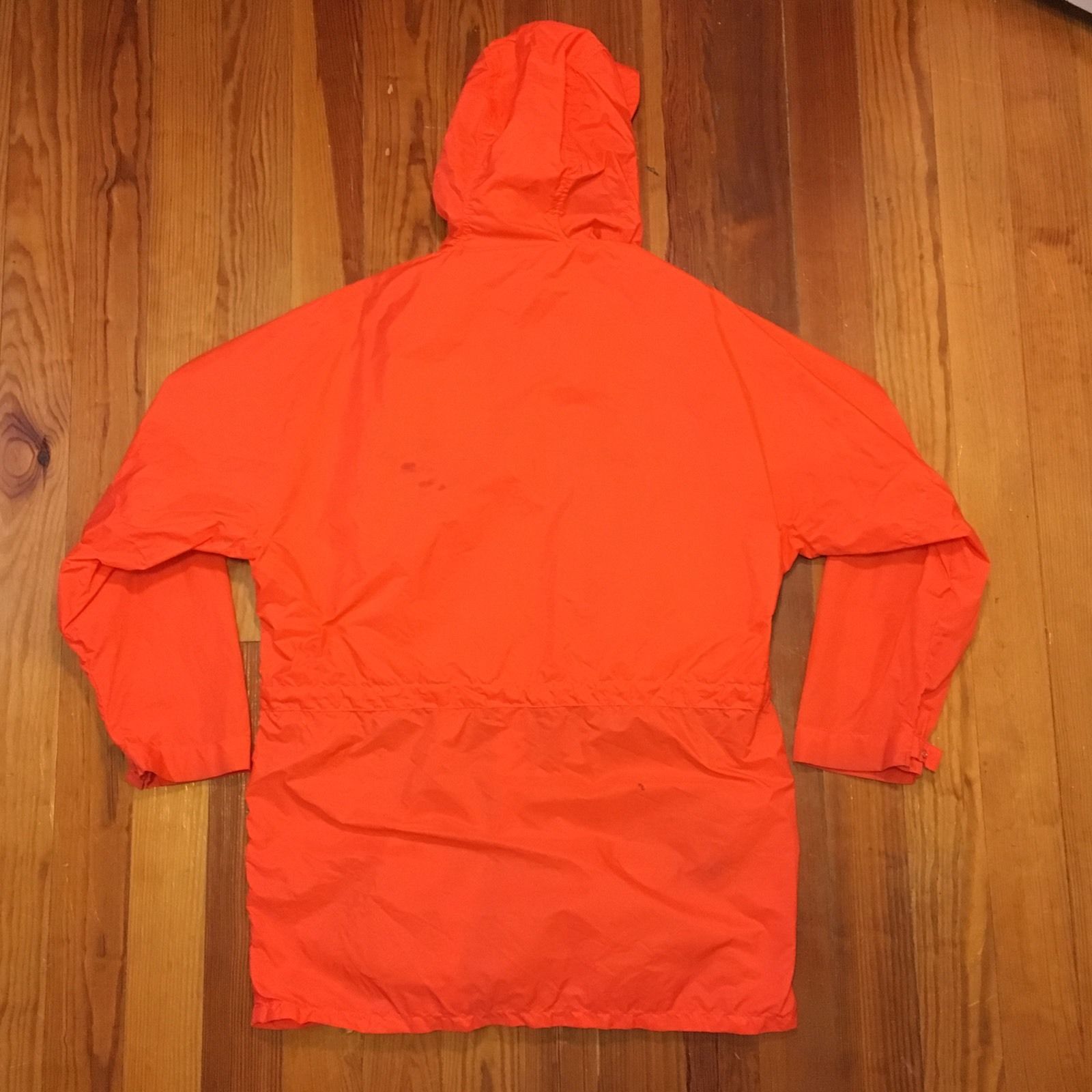
Gerry “Lightweight Camping Equipment” label era parka. This lightweight nylon shell features a double layer upper extending through the hood, halfway down the sleeves and to the waist. Also features waist and hood nylon draw cords. Double chest pockets. Clarks Coats zipper.  Estimated late 60s early 70s manufacture date. 

Vintage Beck 3/4 Helmet

Vintag Beck Arnley 3/4 Motorcycle Helmet

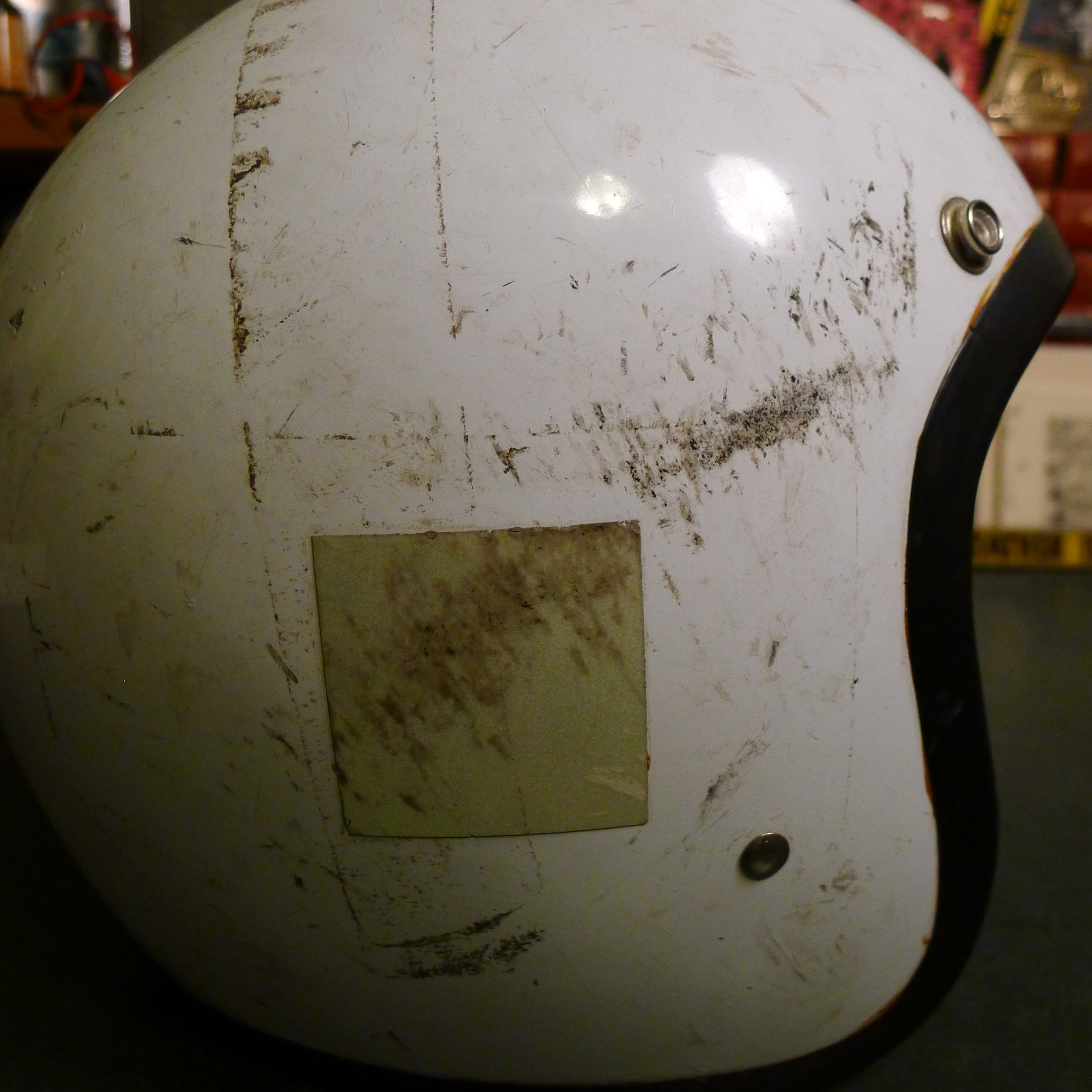
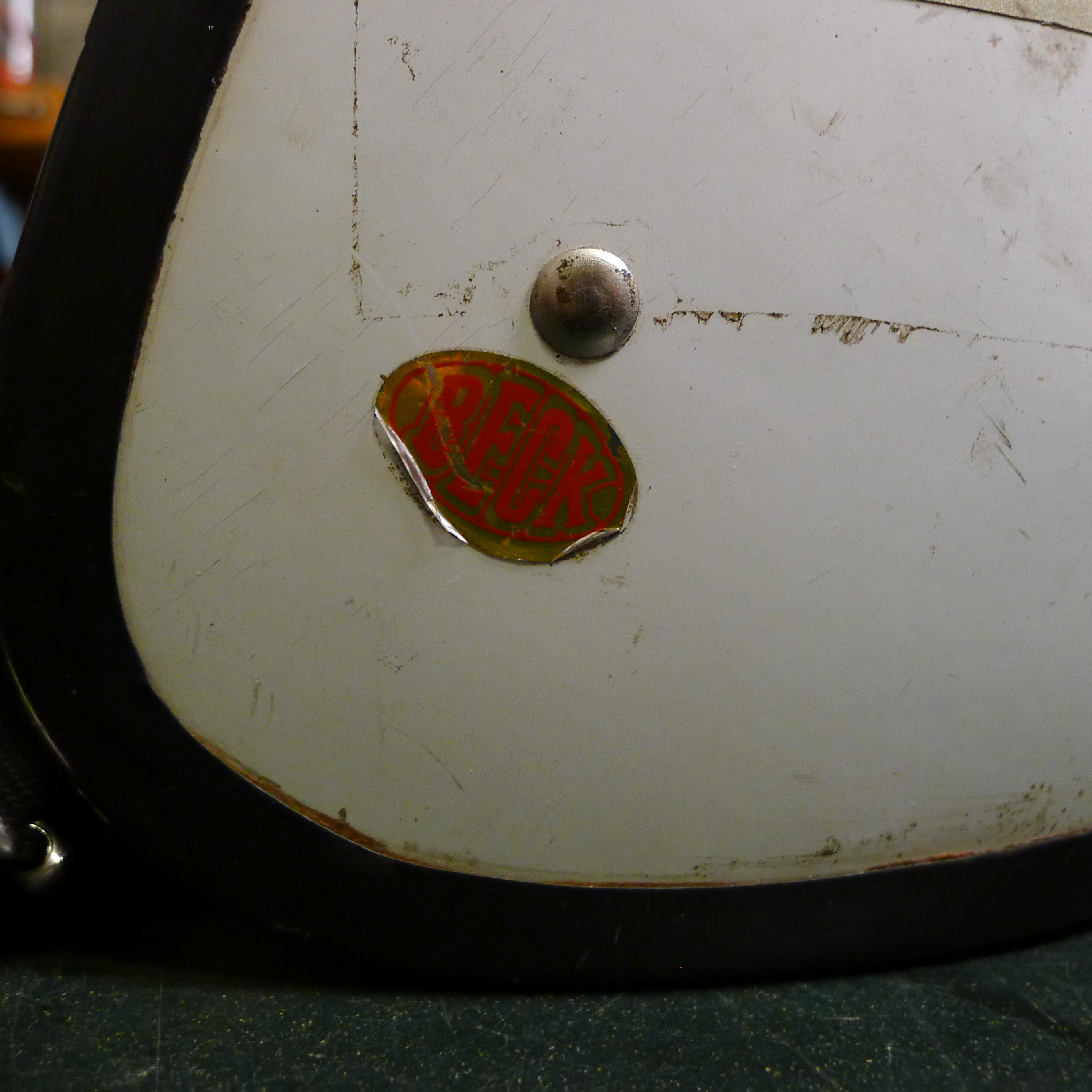
The Beck Distribution Corp was a pioneer in motorcycle distributing sourcing OEM (original equipment manufacturer) and aftermarket parts and accessories for foreign bikes to suit American rider’s tastes. The company dates all the way back to the early 1900’s. I would estimate the helmet seen here is from the early-mid 1960s, but have yet to track down an exact date or model number. Vintage American Motorcyclist Magazines currently on Google Books gives hints to the popularity of this three-quarter style helmet and the Beck Corp itself during those early 60s. In 1969 Beck Distribution Corp merged with Arnley Brake Shoe Company and the name and logo were changed to reflect that. So if anything I can say this helmet is at least pre 1969.

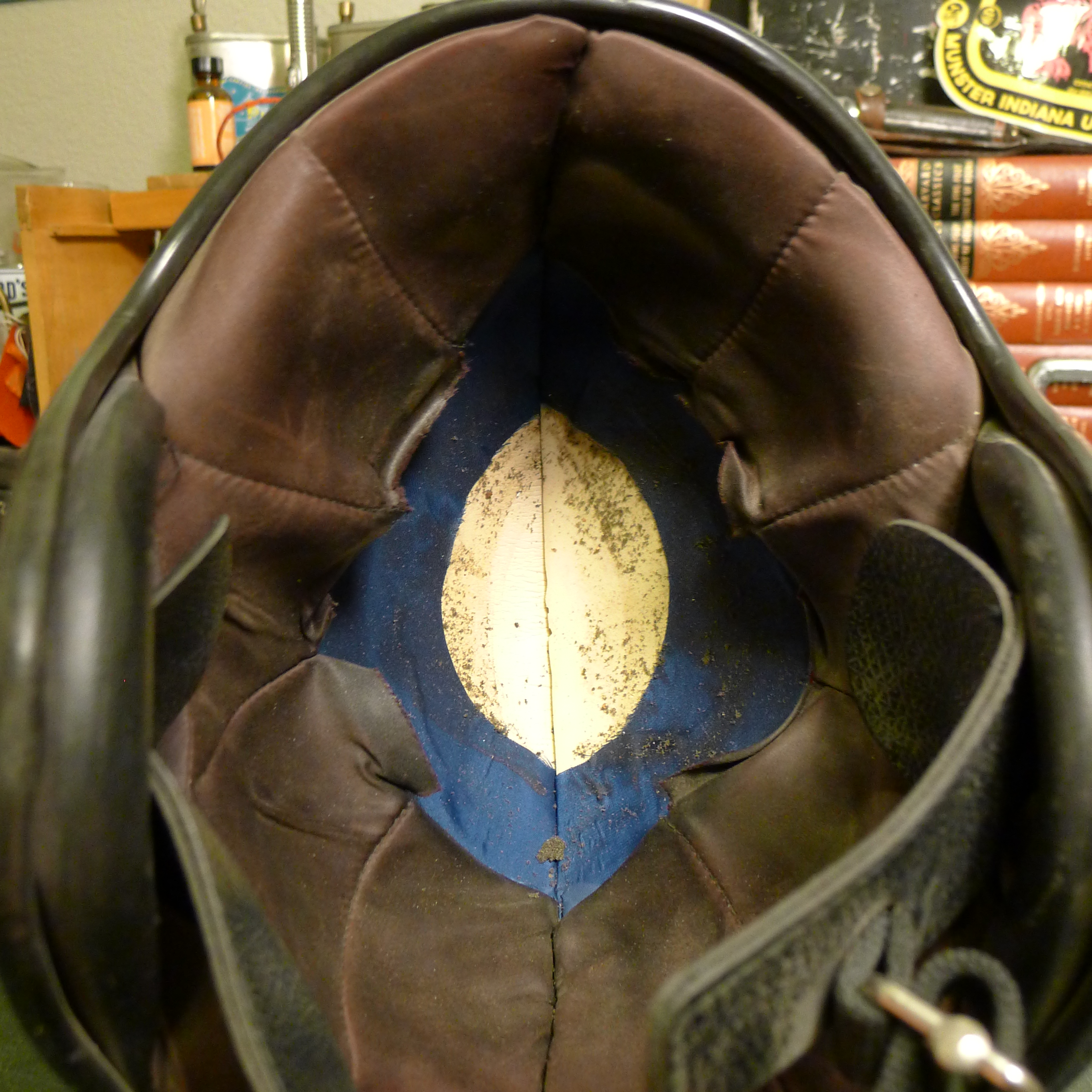
An interesting thing on this helmet is in the liner and foam core. The dense foam core is constructed of two halves instead of a single piece. Also the liner that once held the soft comfort foam is made of a nylon material, which gives the helmet interior a nice sort of satin finish, but wouldn’t be very breathable or moisture wicking. It’s evident that later safety improvements replaced some of these designs quirks.
The reflective squares on sides and back are a common addition to helmets of the era. A lone sticker inside shows the size as S 6 3/4″ and Made in Japan. One theory I have given Beck’s business model is the helmet was produced by Arai and then stickered Beck by the distributor, but at this time that remains just a theory.

Early Winters Silver Lining Insulated Jacket

Vintage 1980s Early Winters Silver Lining Insulated Jacket

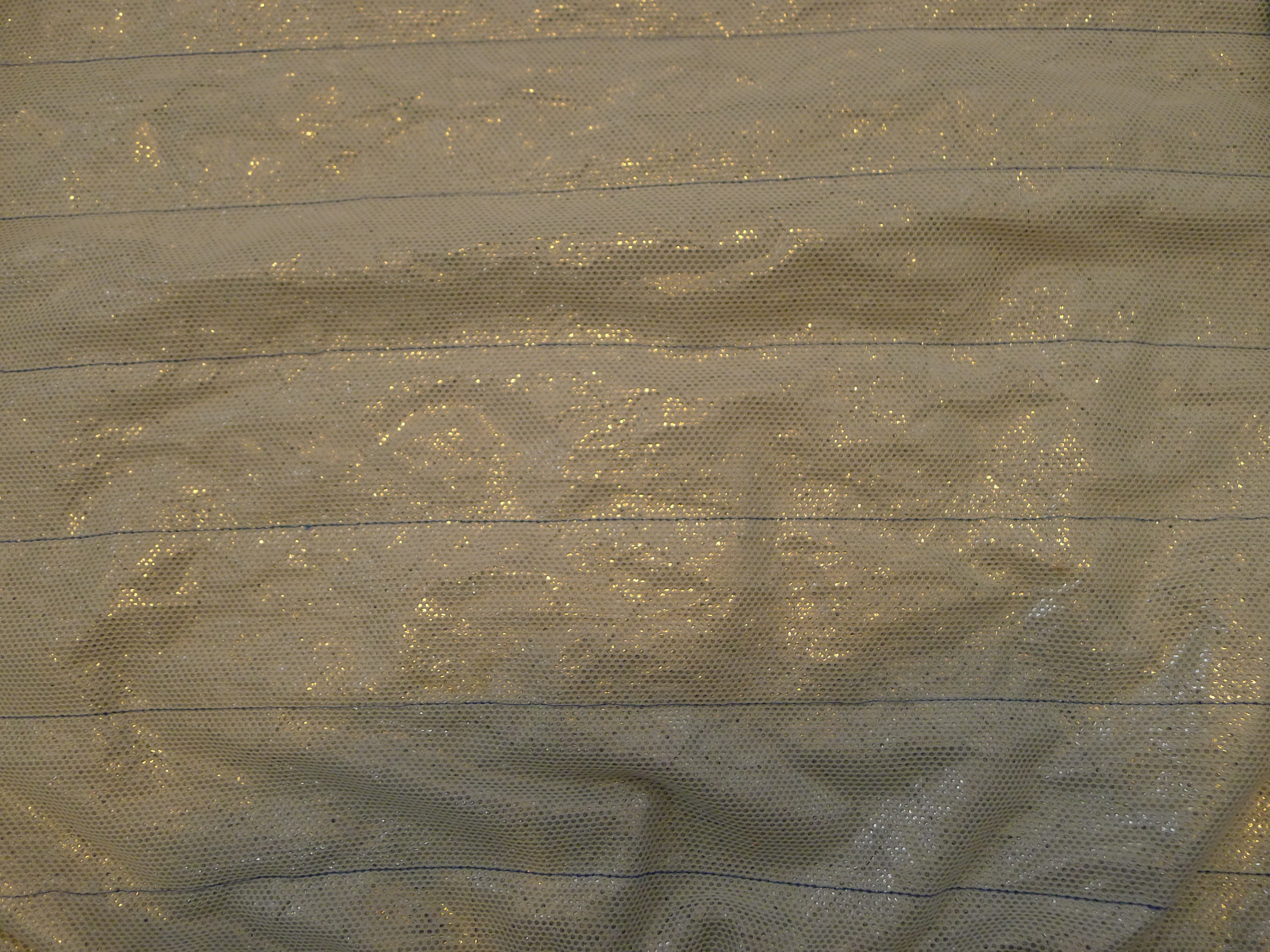
Decades before Columbia Sportswear’s Omni-heat, Early Winters produced the Silver Lining. A Mylar like lining which reflected body heat, encased in a nylon shell. This piece was truly ahead of its time, as many of Early Winter’s products were. The Seattle-based manufacturer was the first company to use Gore-Tex fabric for commercial purposes in tents and jackets. Early Winters was at the forefront of outdoor innovation with iconic products like the Omnipotent and Pocket Hotel Tents and loads of co-branded products from candle lanterns to knifes to walking sticks.

This particular jacket is constructed of a nylon shell with horizontal quilting stitches. Nice lines around the shoulders give it a much more modern appearance and reduce seems along the shoulders. Zip and snap closure down the front. Wide wrists with Velcro closure. A two-inch collar and elastic around the bottom hem. This piece is dual purpose and can be worn as an outer layer or insulating layer beneath a parka. Inside is a white mesh lining over the reflective silver lining. the two integrated hand pockets make for internal pockets as well.

Vintage Work Hunting Boots. Unknown Maker. Goodyear Lugged Sole

vintage US Army Snowshoe skiing boots

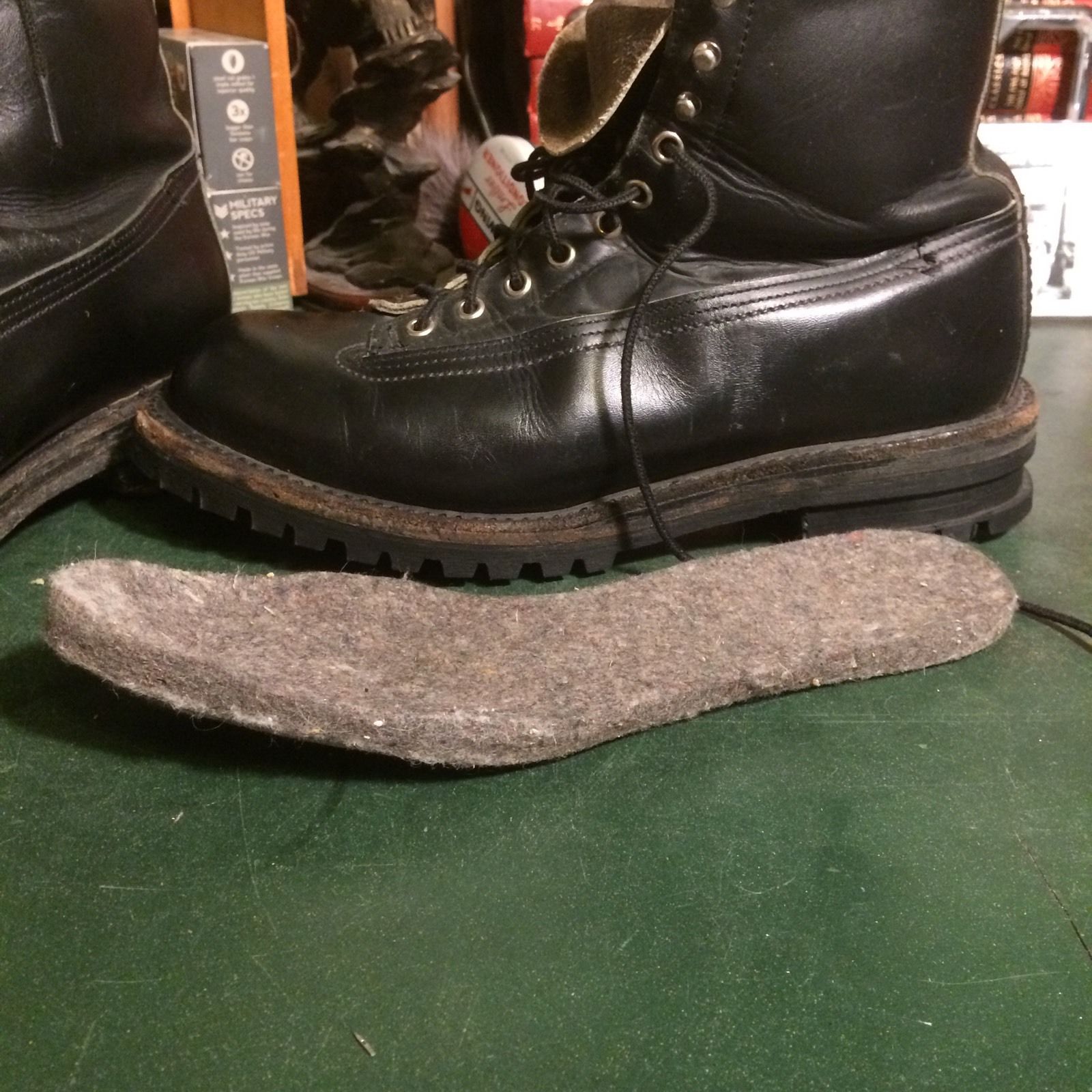
Very cool old boots, unfortunately I don’t know who made ’em. Quality on par with any Danner or Red Wing make or model. 7.5 in high shaft. Unique vamp construction minimizes seems. Eyelet and hook lace up. Goodyear lugged soles the America equivalent of Vibram. Lined uppers and thick felted wool insoles suggest they were intended for colder weather use.

UPDATE: Reader comments have identified these as “US Army issue Ski/Mountain boots. The original design is by Chippewa, but several manufacturers produced them over the years. The squared toe and grooved heel are for the ski bindings.”

Early-mid 70s Sierra Designs 60/40 Mountain Parka

Early-mid 1970s Sierra Designs 60/40 Mountain Parka

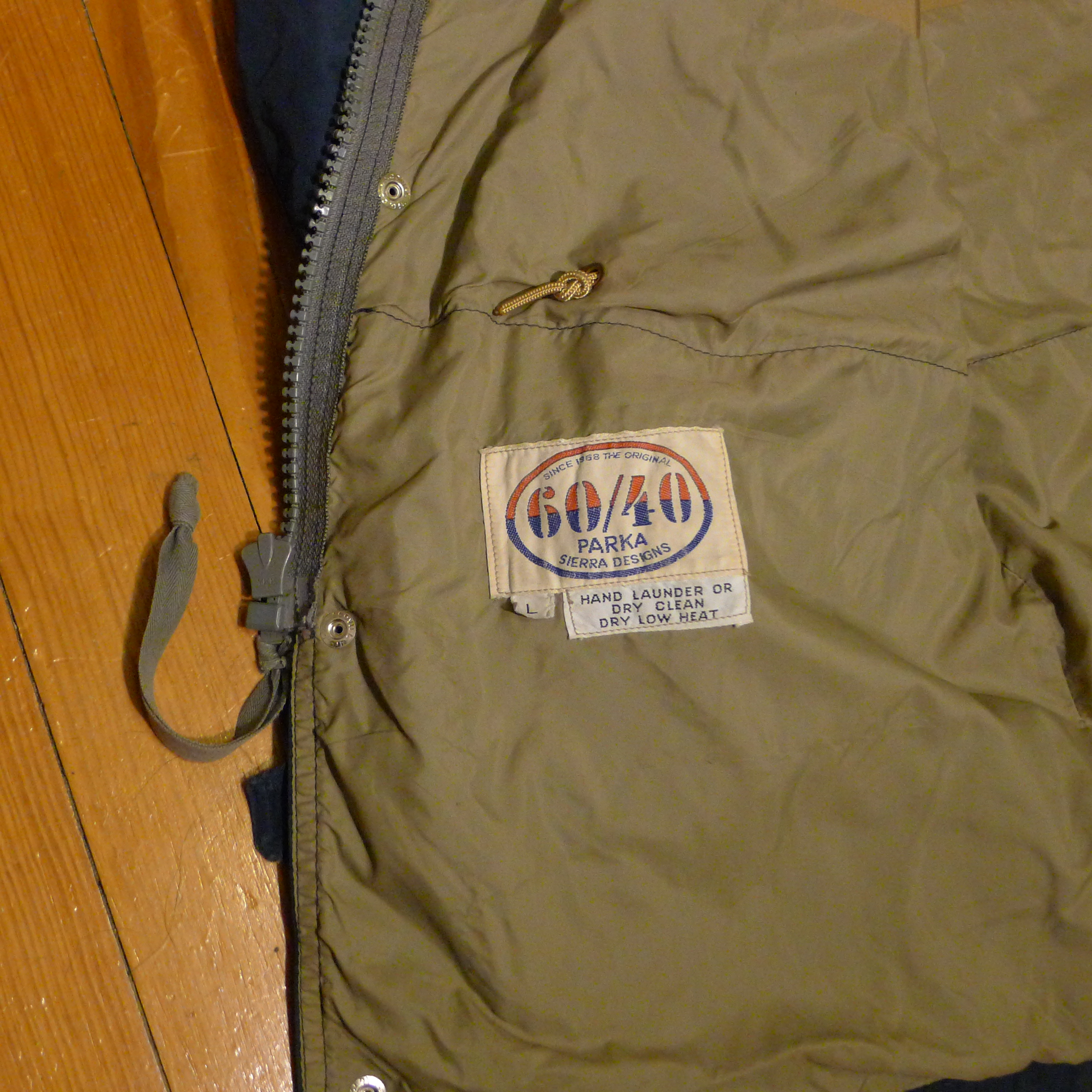
The original 60/40 mountain parka by Sierra Designs. Constructed of the fabric famed for its day as the superior protector against the elements. In a time before Gore-Tex and other such membrane backed fabrics, this blend of Nylon and Cotton loomed with a tight weave was the number one choice of outdoor enthusiast against rain, snow and wind. Prior to its introduction in 1968 most parkas of this style were made of a Polyester and Cotton blend which was much more permeable to the elements. This particular example is an earlier version evident by the sparse labeling and lack of embossed buttons.

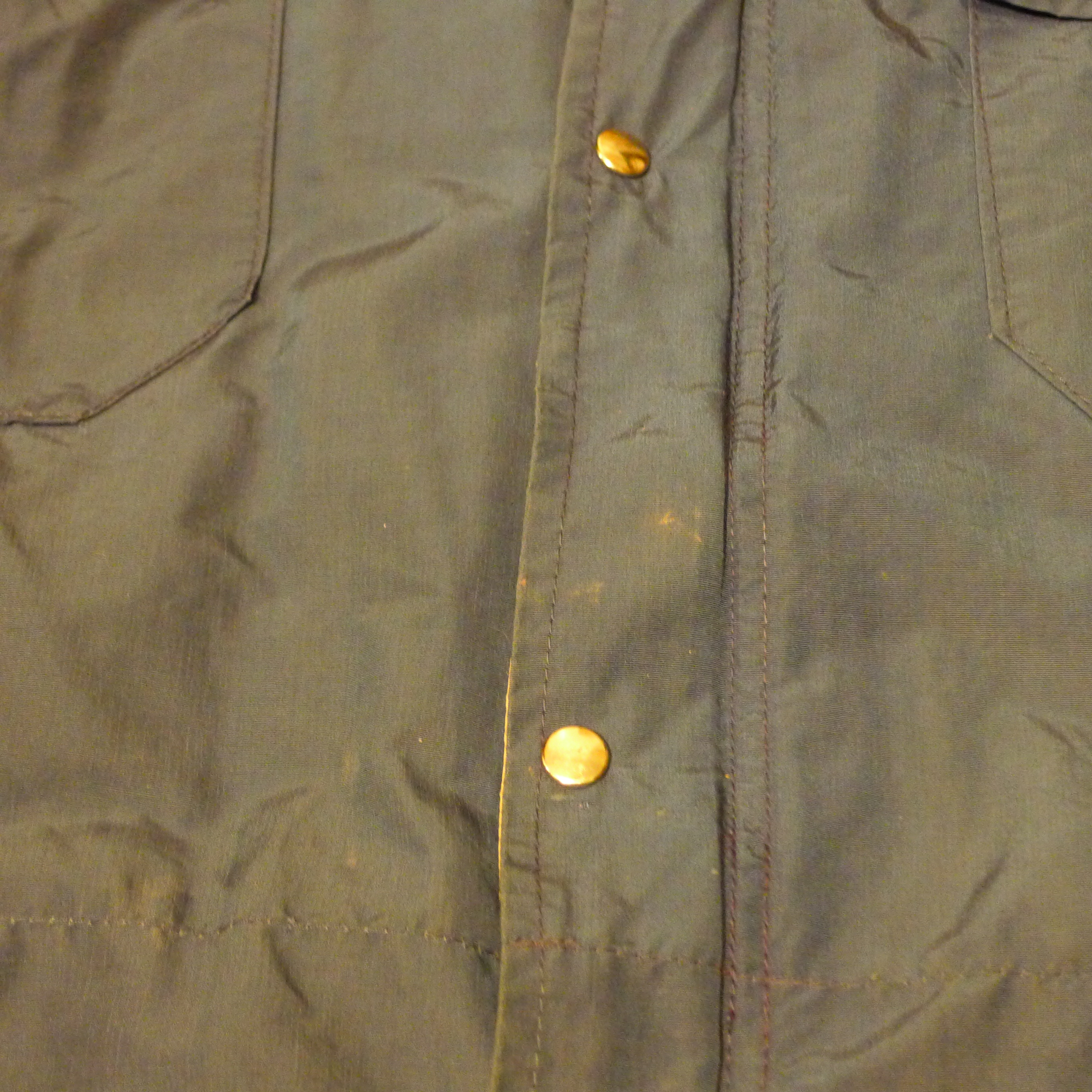
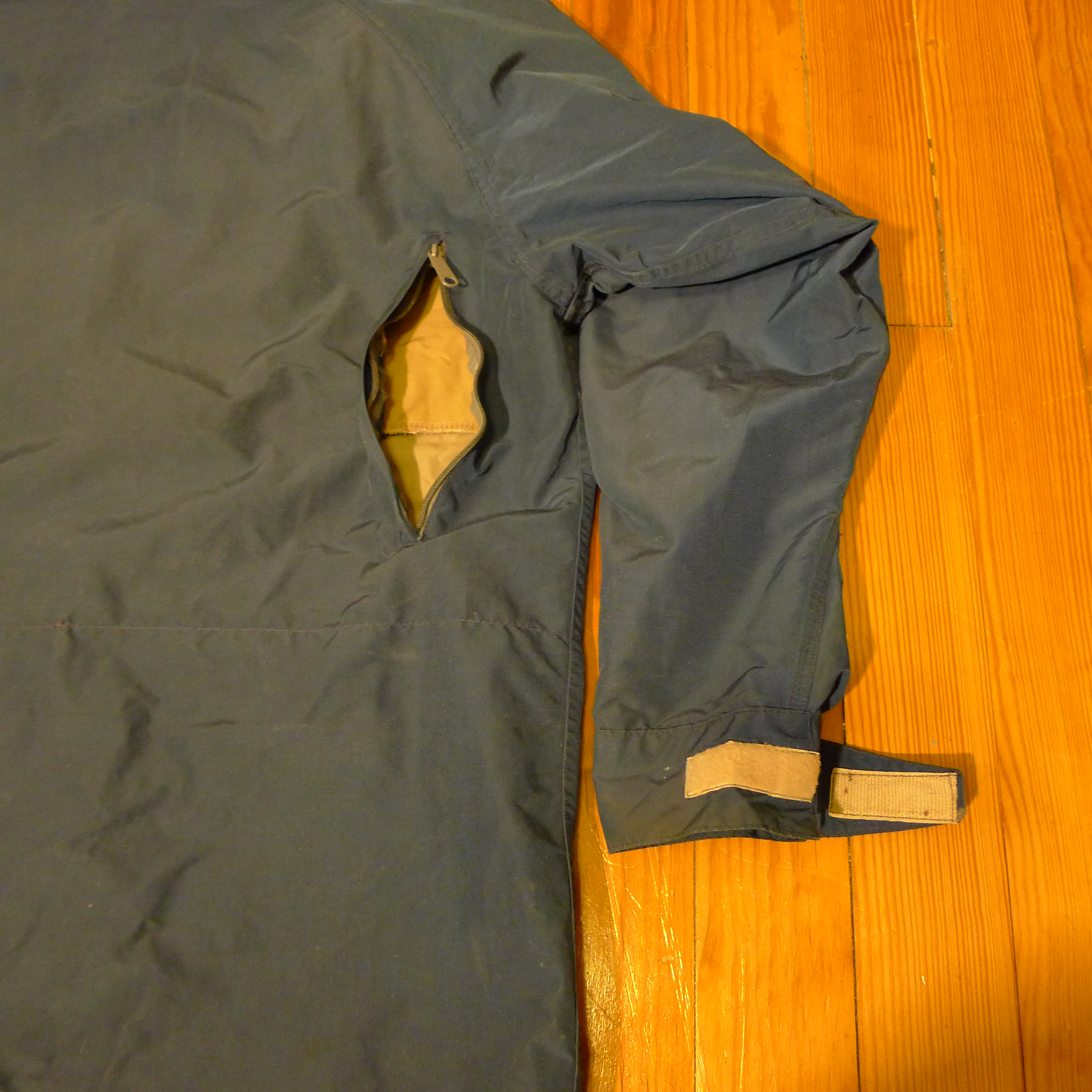
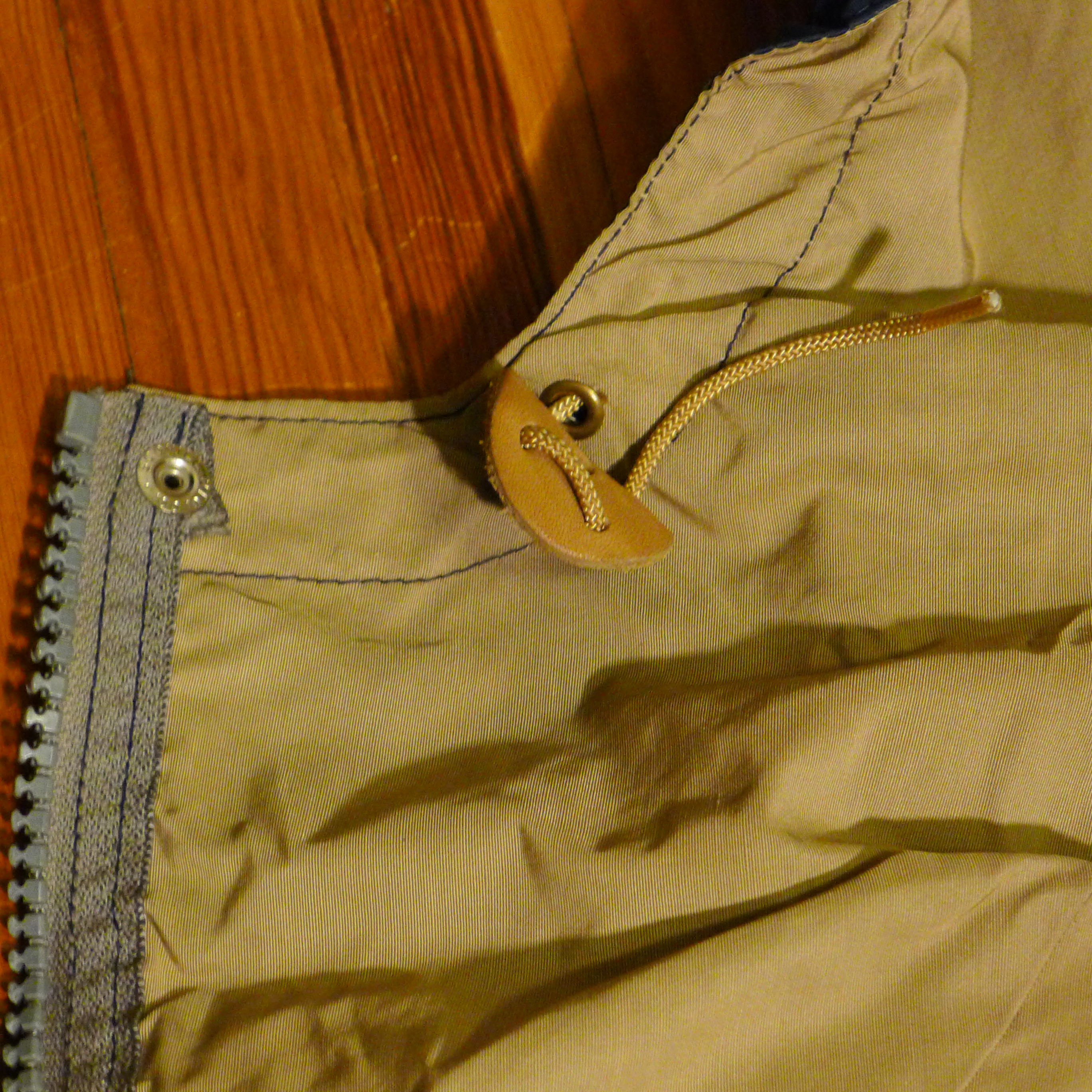
The parka is constructed of a Navy Blue shell made entirely of the 60/40 material. The classic construction includes two hip pockets with side entry and Velcro closed top entry. Two bellowed chest pockets also with Velcro closure. A single zip closed back pocket which opens up to the entire upper half of the jacket body. Closure consists of a large gauge YKK zipper with extended pull for ease of use while wearing gloves. Also a snap close-storm flap. Features an integrated hood with offset seams to prevent pooling around the neck and shoulders. Inside the khaki liner is made from 60/40 up top and through out the sleeves and hood to further guard against the elements where it matters most. Then a lighter nylon lighter around the lower allowing the jacket to slide easily over the hips. Nylon cord cinch runs through the hood with leather lace locks. Also a Nylon draw cord at the waist which most likely also had the leather locks at some point, but are now missing.