Lowe Alpine Piolet Ice Axe

When I think of Lowe Alpine, I think of their packs and photo bags which I’ve come across countless times of over the years. Besides maybe some of the early examples I don’t get too excited when encountering the soft goods. Hard goods on the other hand are much fewer and further between. Coming across this ice axe was a rare find and one that made me want to dig deeper on this often overlooked (by me) label.

The story of Lowe Alpine begins in Ogden, Utah, where brothers Greg, Mike, and Jeff Lowe grew up climbing alongside legends like Royal Robbins and Yvon Chouinard. When the available gear couldn’t keep up with their ambitions, they built their own.
In 1967, Greg descended into the family basement and invented the world’s first internal-frame backpack, the Expedition Pac one that quietly rewrote the rulebook for pack design in the process. By 197 Lowe Alpine Systems was incorporated. The innovations came fast: the first spring-loaded camming device (1973), the first step-in crampons with anti-balling plates (1974), the first plastic buckles on rucksacks (1980), and the first softshell garment (1984).
Jeff, meanwhile, was becoming one of the greatest alpinists of his generation. Credited with inventing mixed climbing, with over 1,000 first ascents, and a solo of a new route on the Eiger’s North Face in 1991 (Metanoia) that went unrepeated for 25 years. He was awarded the Piolet d’Or Lifetime Achievement Award in 2017 and passed away in 2018.
The brand was eventually sold and acquired by Rab in 2011, where it continues today as a pack-focused label. The hardware era the axes, crampons, and raw alpine tools — belongs to history.

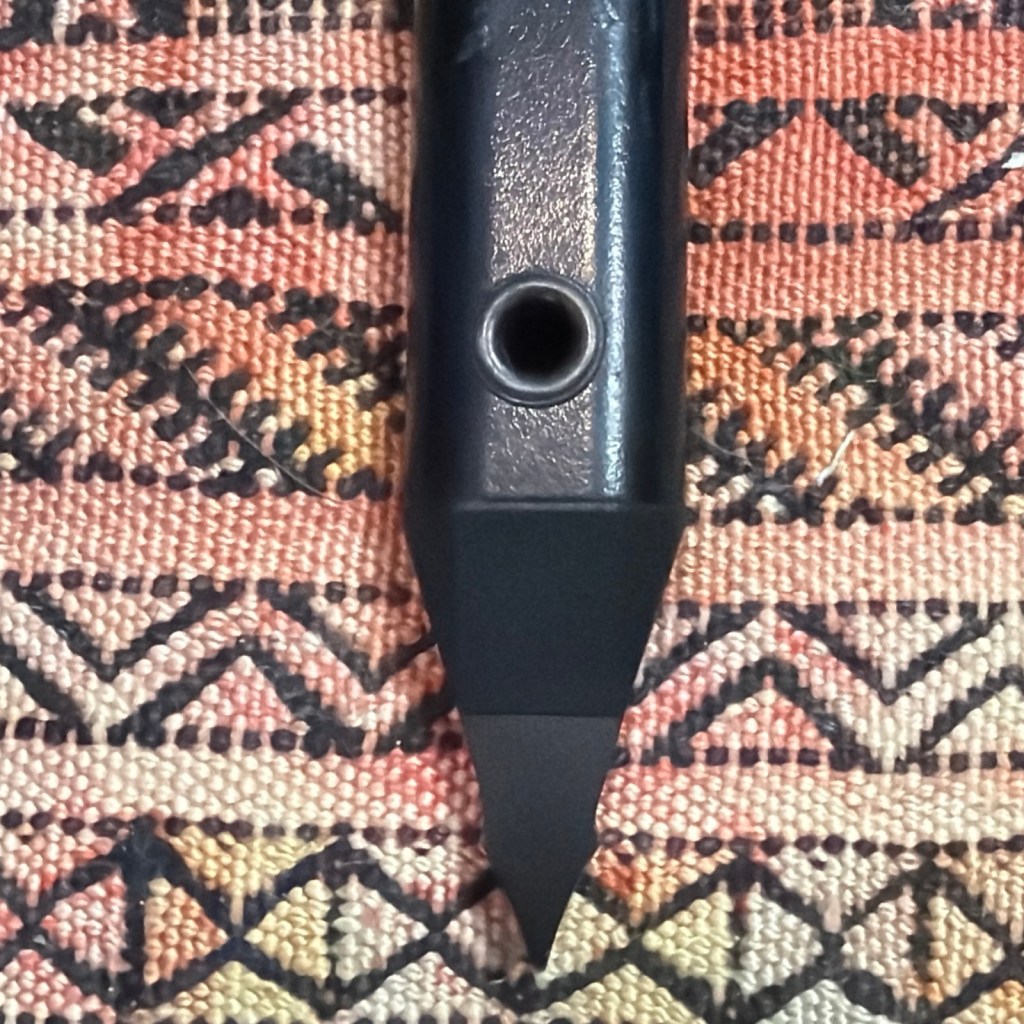
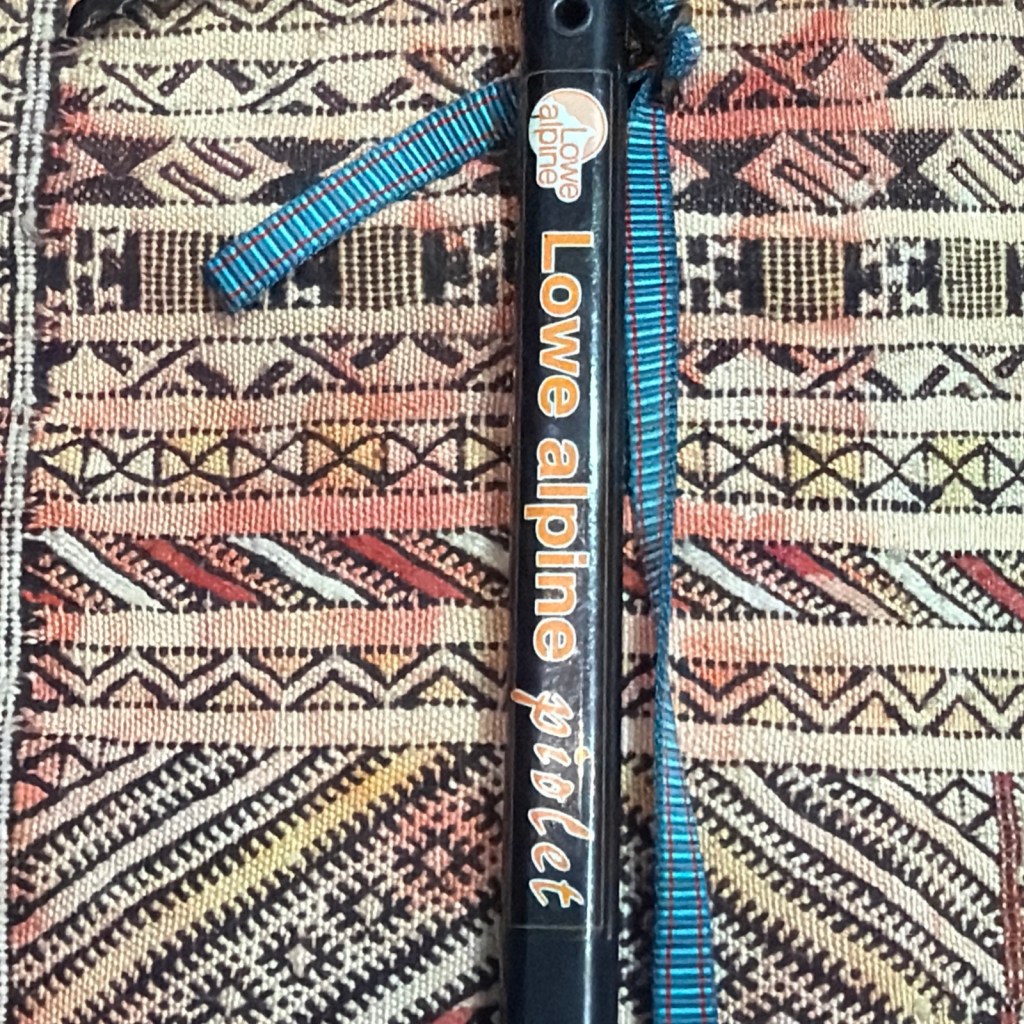
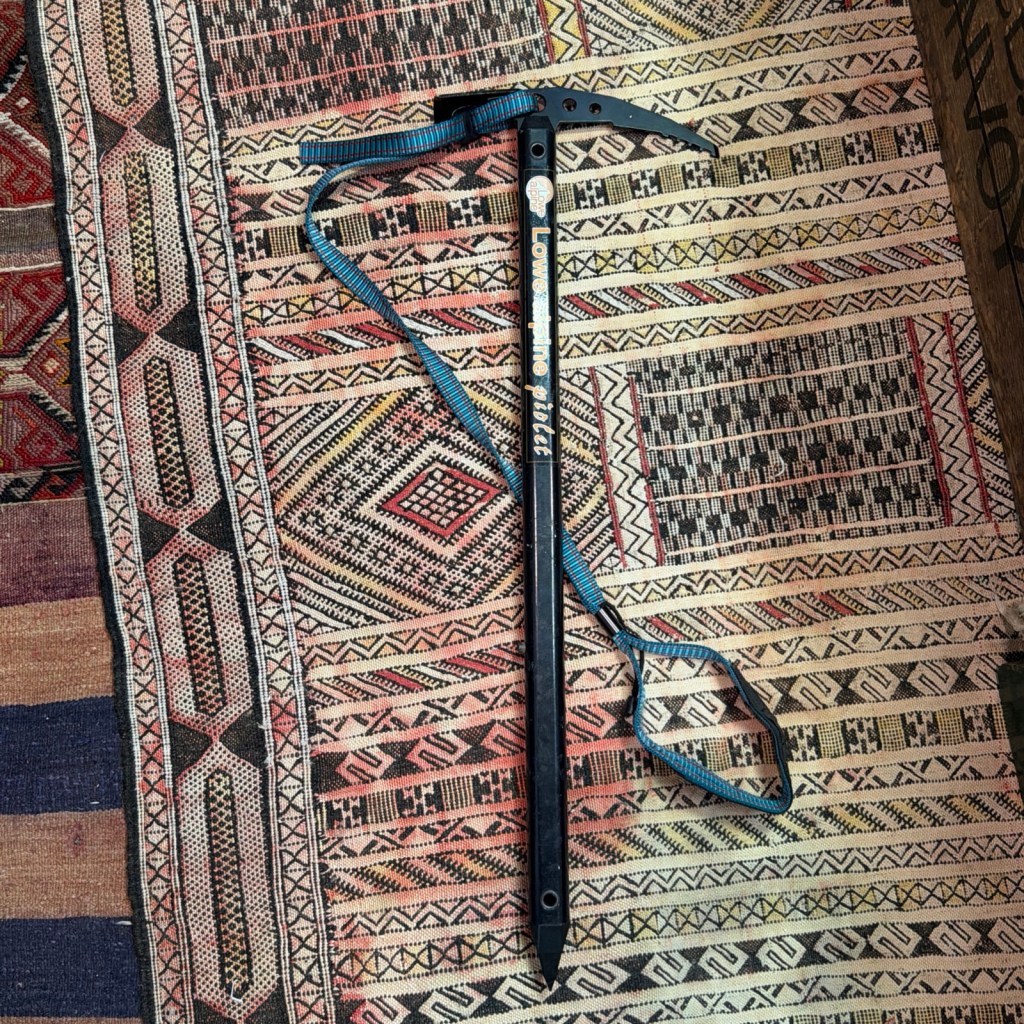
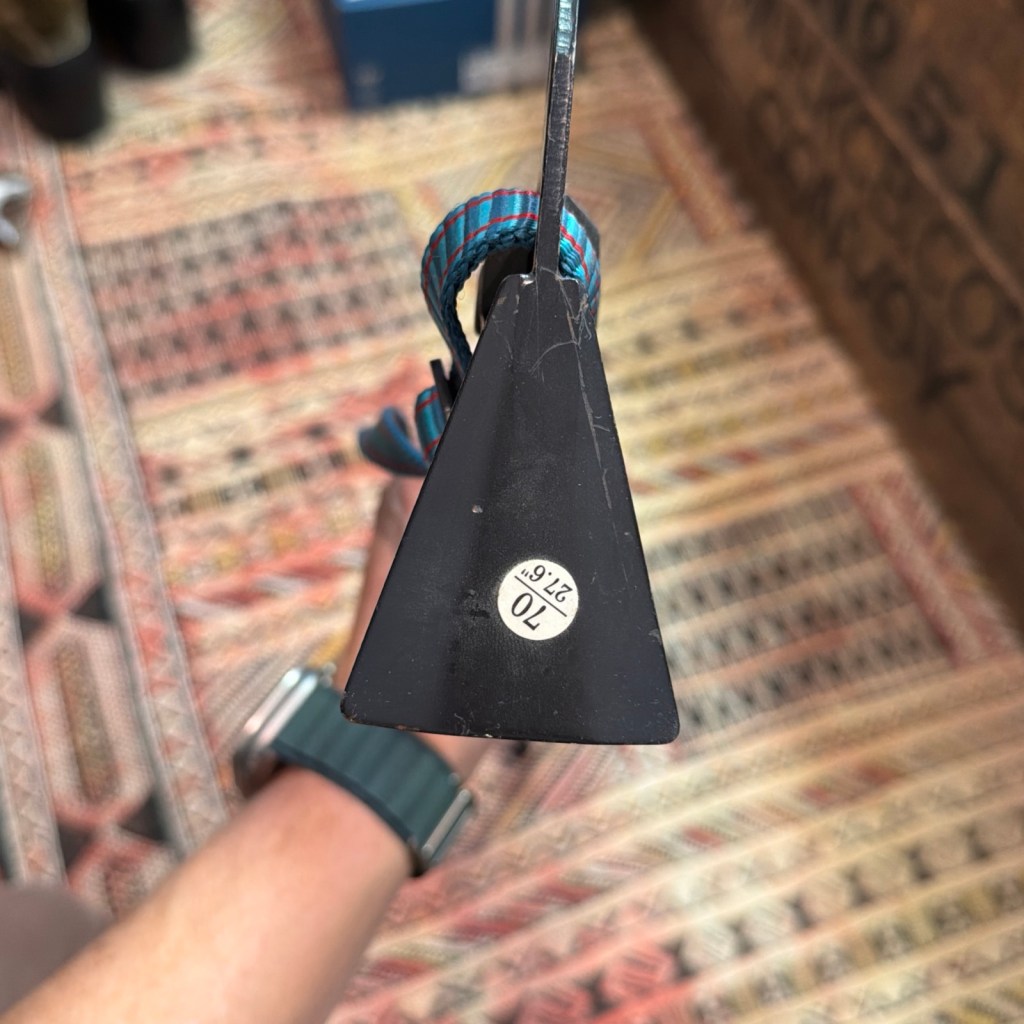
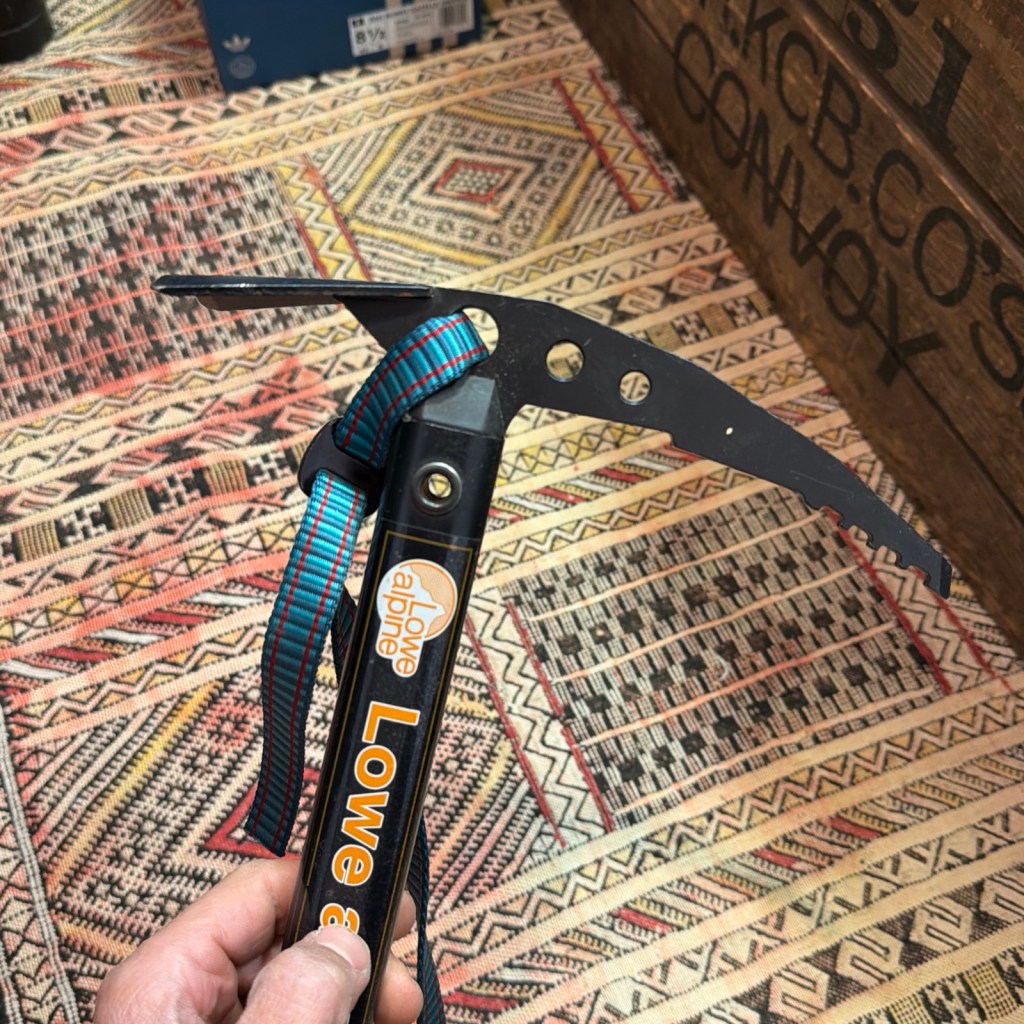
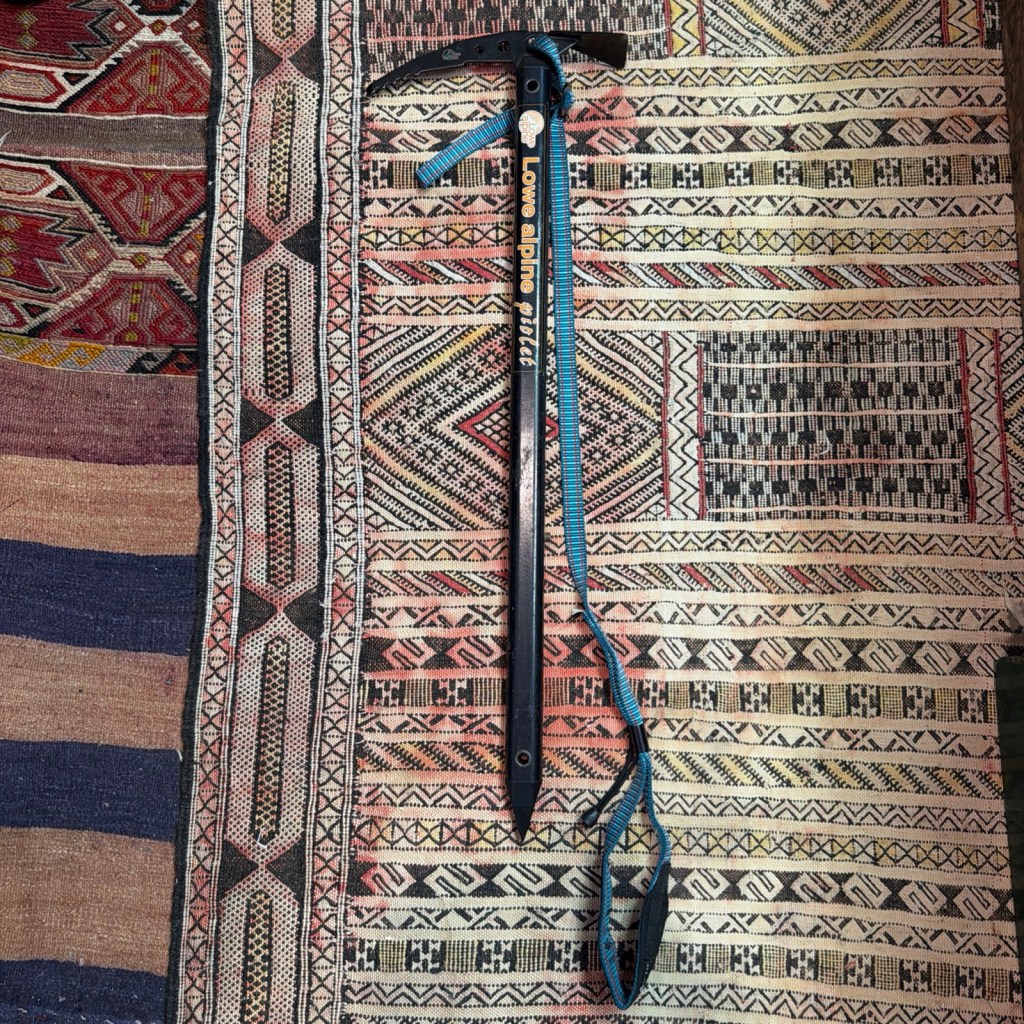
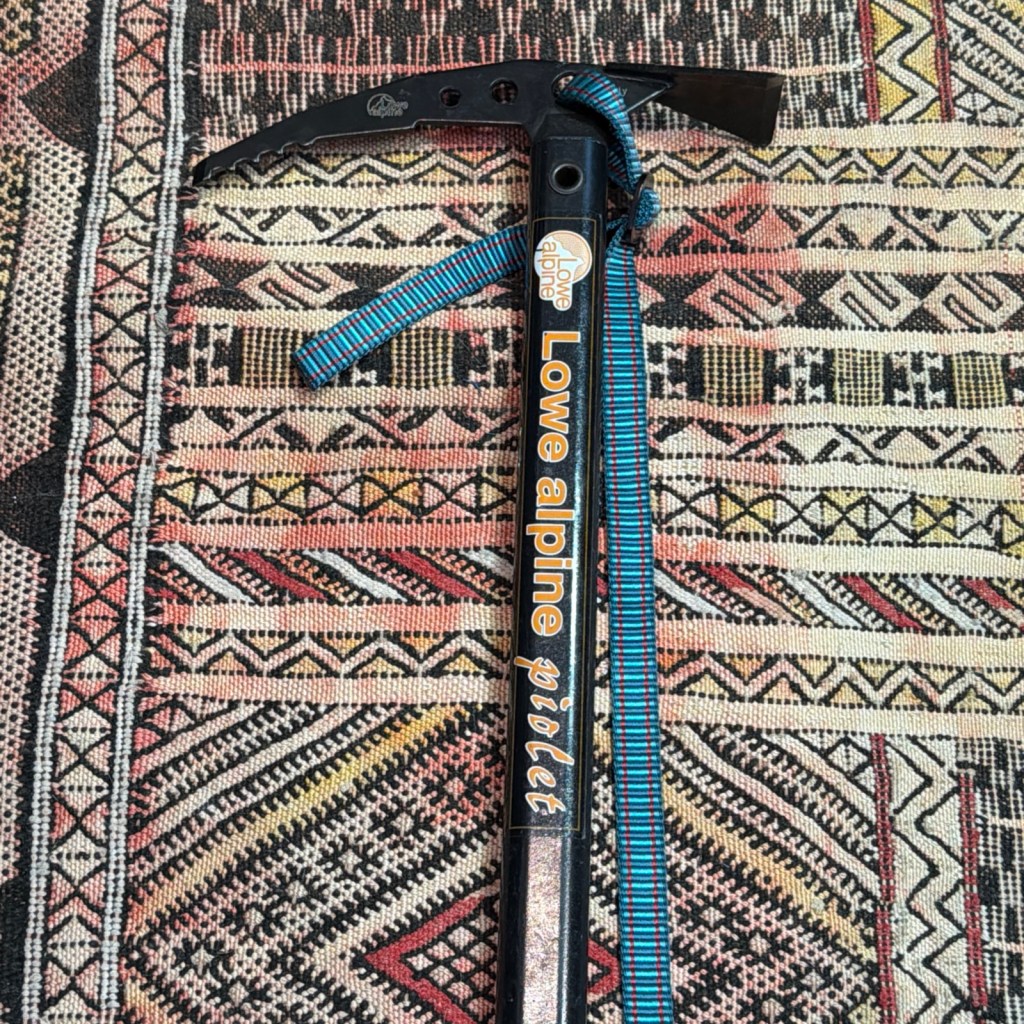
This 70cm (27.6”) Lowe Alpine Piolet is a classic straight-shafted mountaineering axe from the brand’s hardware period. The black aluminum shaft is clean and purposeful, the pick carries a classic mountaineering curve built for firm snow and glacier ice, and the broad adze is made for step-cutting and self-arrest. The spike is sharp and true.
Ice axes bearing the Lowe Alpine name rather than their hardware sub-brand, Latok Equipment are uncommon. This isn’t a mass-market tool. It’s a genuine relic from a company that didn’t just sell gear to mountaineers. They were mountaineers.
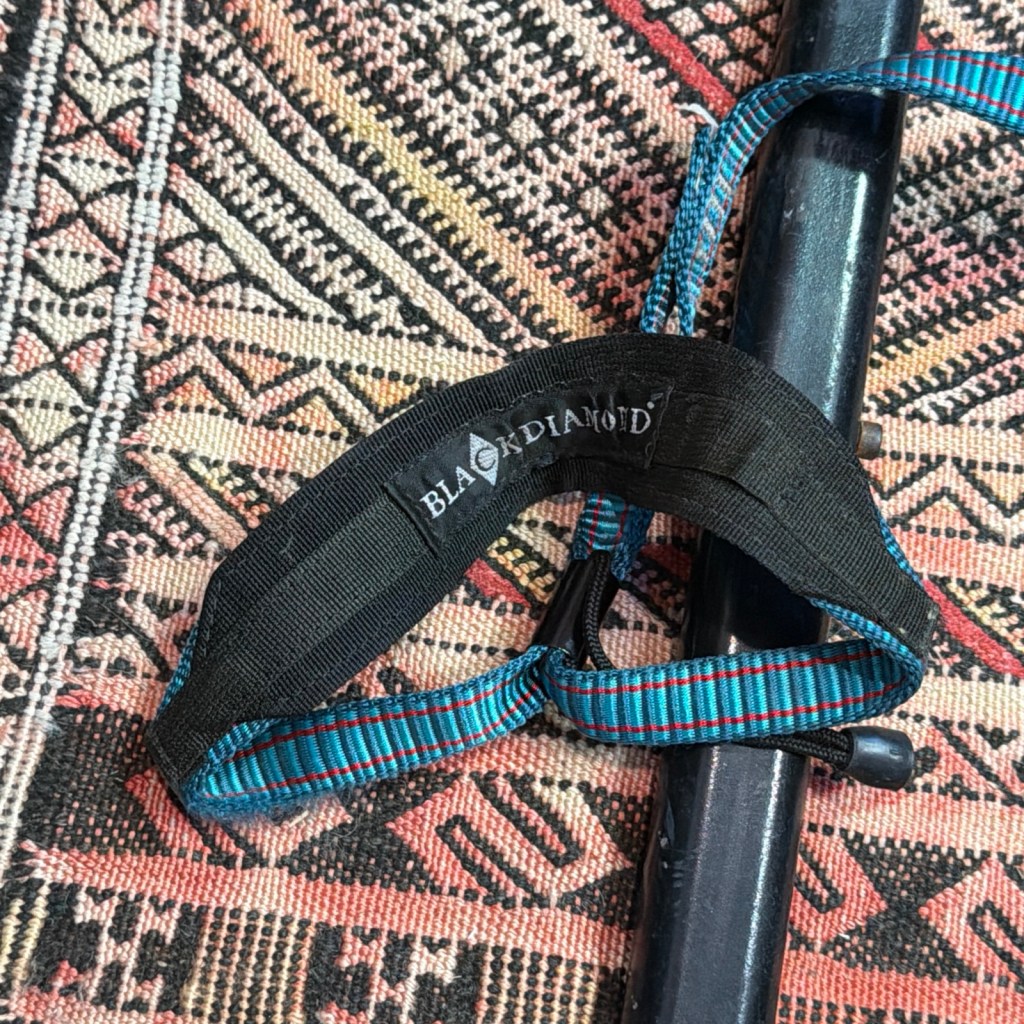
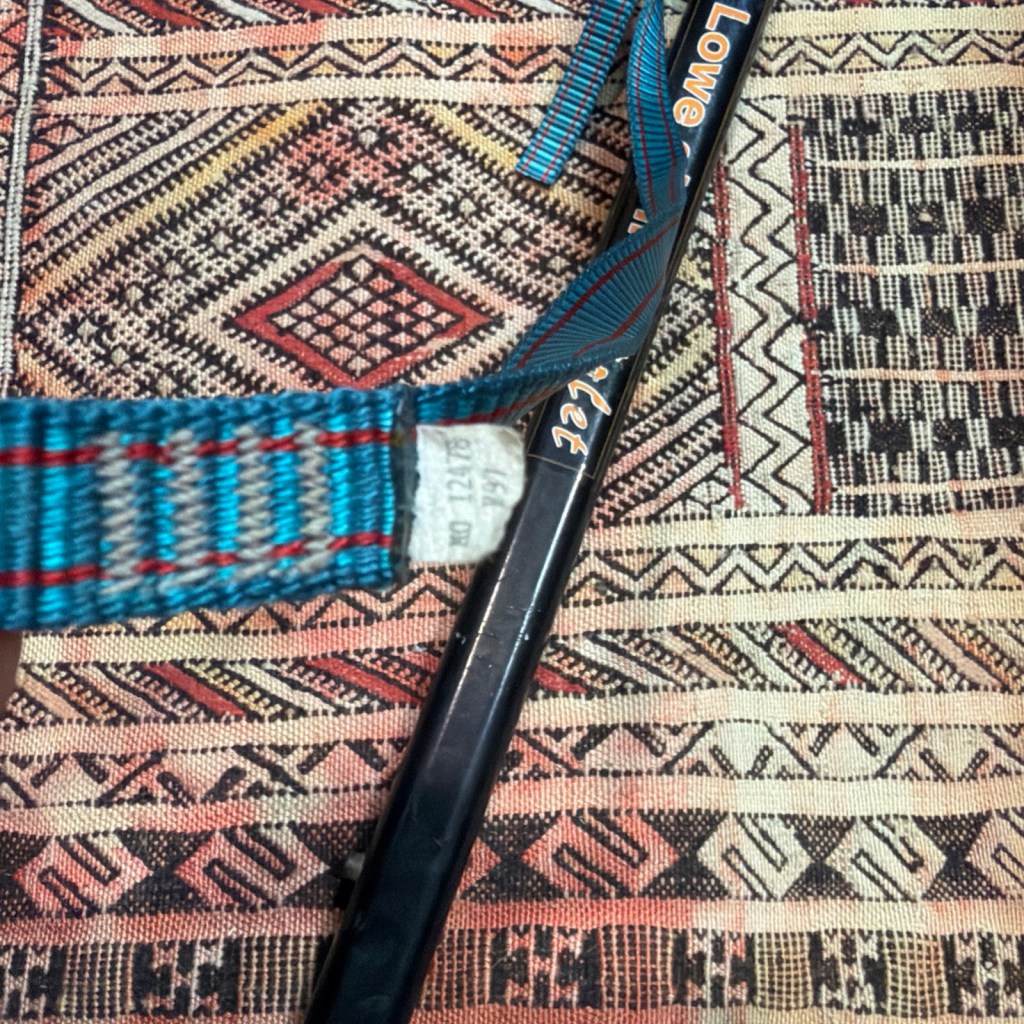
The Black Diamond wrist leash is still threaded through the shaft appears to be dated 1997.
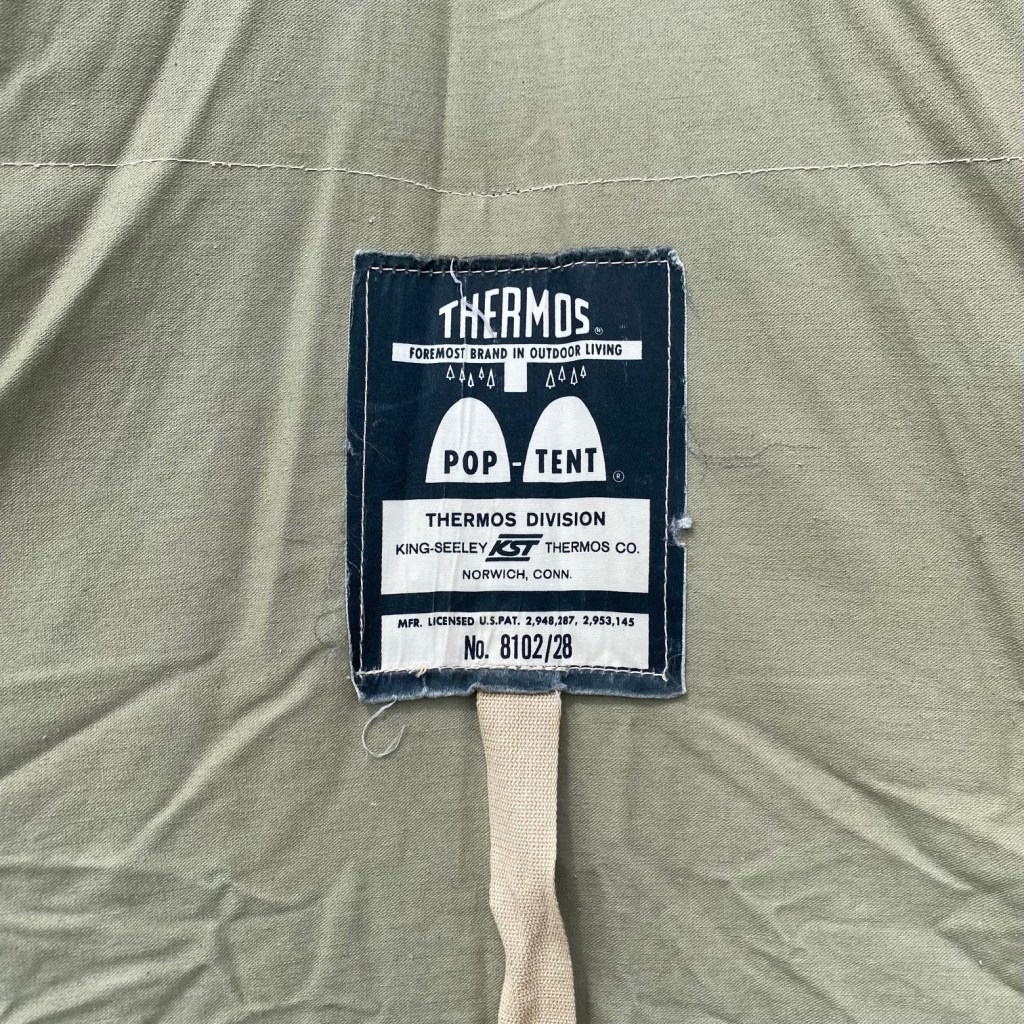
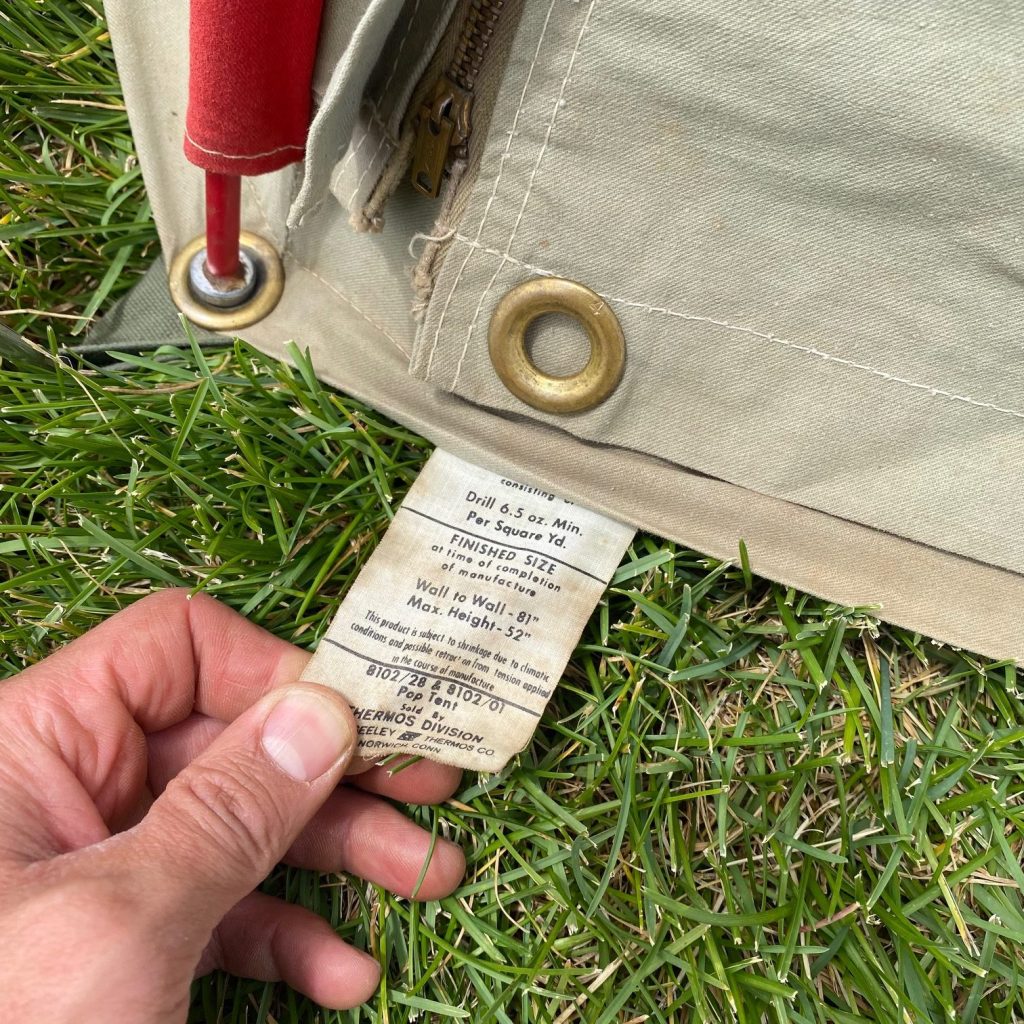
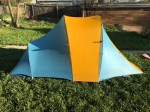
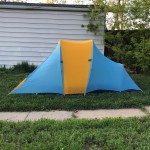
King-Seeley Thermos Co. Pop Tent – Designed by Bill Moss ~ Early 1960s.

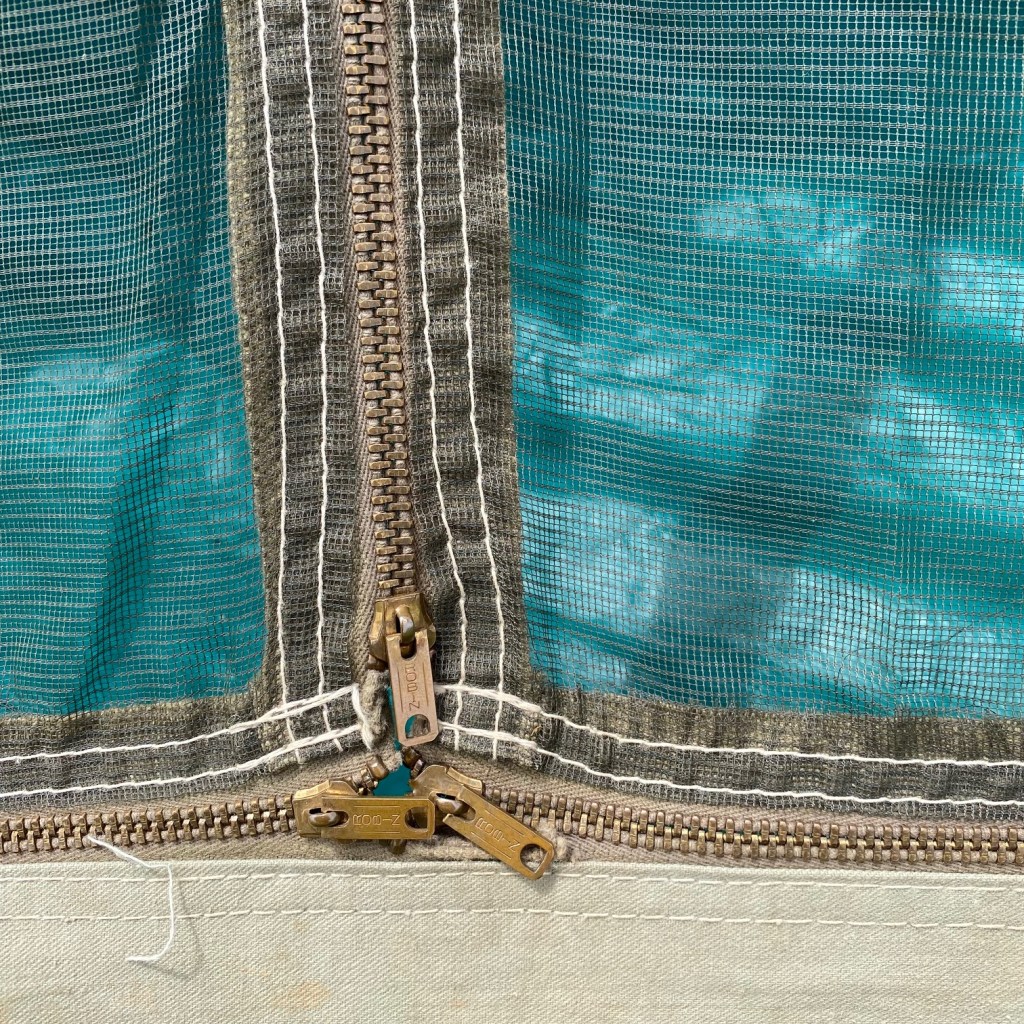
I haven’t yet found a lot to support this other than similar tents listed as such, but should the internet turn out to be telling the truth, this here is an early Bill Moss designed tent. I see this tent at the crossroads of traditional and modern camping. That intersection being the use of old school materials such as heavy canvas and vinyl, with modern construction of slim, adjoining poles creating a freestanding structure.

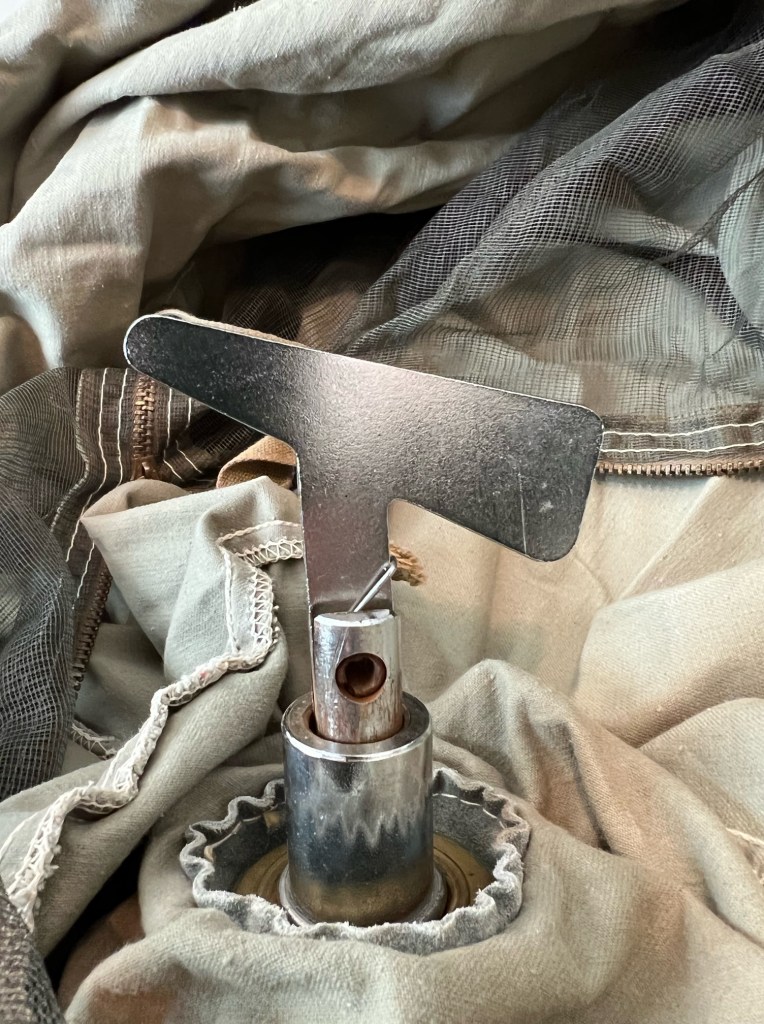
Construction of the tent includes interlocking six fiberglass poles, the top piece fixed into a mount, that when compressed, bows the poles outward into grommets at the bottom creating a freestanding dome tent. A large bolt at the top along with the internal locking lever, provide the stable tension and a means of adjusting it ever so slightly.

It’s easy to see early flashes of Moss’s legendary design in the construction and maybe the beginnings of a signature red color in the pole sleeves.

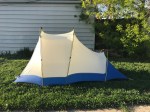
Sierra Designs Superflash 2 man 4 season tent

Good example of this somewhat iconic tent. Not free-standing but keeps itself up when staked at the corners. Very sturdy when rain fly is pulled over the top. Fly comes all the way to the ground. Guy lines provided added steadiness in any weather situation. Great shape. Allows two occupants to sit fully upright with plenty of room to spare over head. Tabs in the corners of the ceiling lead me to believe a gear hammock was available for inside. Not a ton of space for gear with tow occupants and only enough vestibule for the rain fly for boots, and other odds and ends not needed inside.

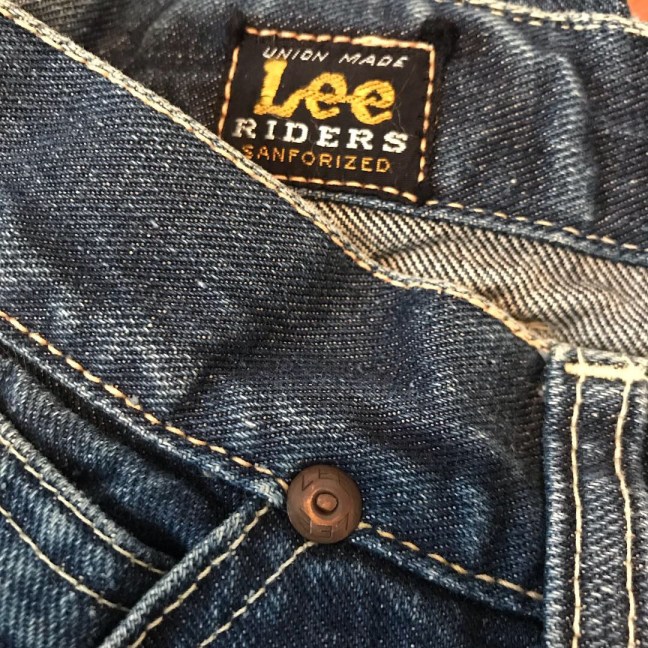
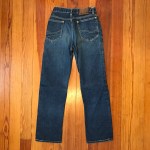
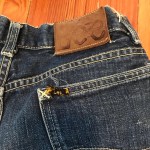
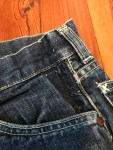
1950s Lee Riders Half Selvedge Jeans

Vintage 1950s Lee Riders Half Selvedge Denim Jeans

Great 1950s Lee Riders. Half Selvedge denim construction with a Scovill Gripper Zipper zip. This particular pair of jeans measured about 28×28, but had been taken in at the waist and down the outer seams of both legs to construct a slimmer fit. The indigo was still dark,  a desirable trait for jeans of this age.  See my other Lee Riders post for an example of a slightly later pair.

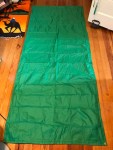
The North Face Brown Label Bivy Sack

Vintage The North Face Brown Label Bivy Sack

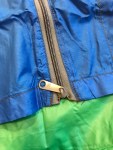
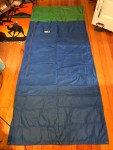
Unique early TNF Bivy Sack. Simple construction of one ply rip stop nylon in blue and green. Grommets at the corners for staking down. Not entirely sure if this was the complete unit or if there would have been a tarp or tube tent covering. Good for a layer of wind proofing and would keep your bag clean as is though.

Measures 92″ overall. 76″ foot to neck and 39″ wide.

Gerry Rucksack with Fiberglass Back Board

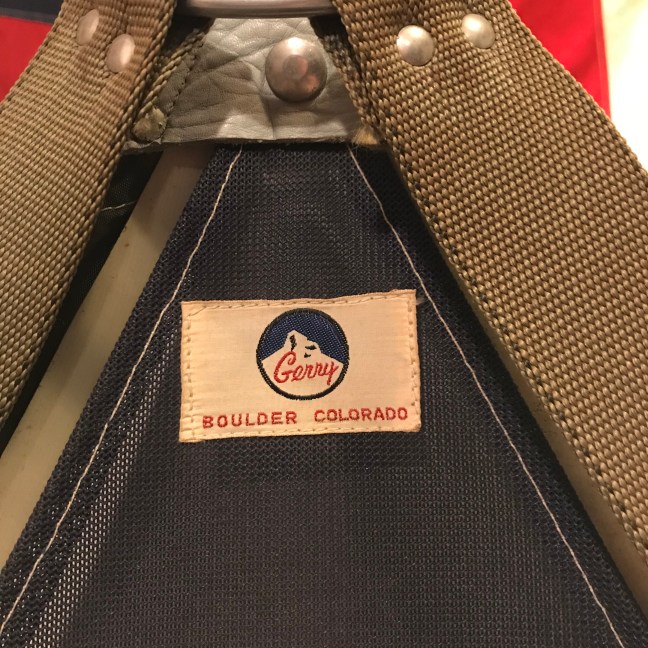
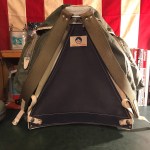
This is an early Gerry rucksack. As I’ve probably mentioned in other posts, the earliest outdoor gear was simply repurposed military surplus and this bag shares many characteristics.  Beyond the olive drab nylon the bag resembles very much a European military pack. Specifically one from a company called Bergans of Norway , which was made of more traditional materials, canvas and leather.

Though the design itself may not have been revolutionary or visionary the removable lightweight back panel is.  I believe the panel to be made of fiberglass, but may just be something similar. The removable panel replaces metal support systems used on earlier packs. The updated support system with the use of lightweight nylon saved this traditional design many extra pounds.


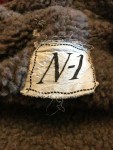
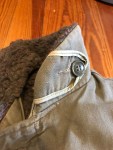
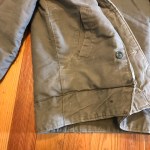
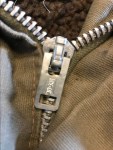
1950s Civilian N-1 Jacket

Vintage Civilian USN N-1 Deck Jacket

Example of a civilian model jacket design based on the N-1. The N-1, to a lesser extent of then the Air Force A-2, MA-1 and N3-B became somewhat legendary for being a well-serving, functional jacket. The problem is one had to enlist and end up in certain positions to receive one. Post WWII patterns and probably sometimes even surplus were converted for civilian use. Today you still see similar jackets being produced by everyone from Schott to Abercrombie and Fitch.

The Jacket seen here has a very similar cut and fabric composition as a Navy issue N-1. Unfortunately the liner is made up of a blended pile and not what would have been alpaca. Still the rugged cut and warmth make these civilian versions a great option for someone who wants the style at a fraction of the price for an original.


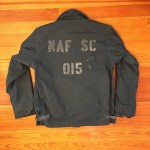
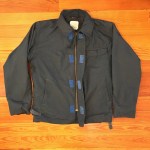
US Navy Class 1 Cold Weather Flame Resistant Deck Jacket

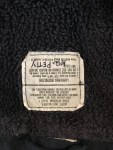
These jackets are the same pattern as the A2 deck jackets but made with Aramid fire resistant material. Buttons on the A2 are replaced with Velcro. This jacket was from Point Mugu Naval Air Base.

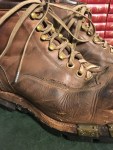
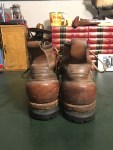
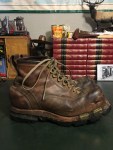
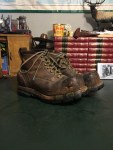
10th Mountain Division Lugged Leather Ski Boots – 1943

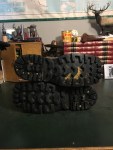
Barker Shoe Co. 10th Mountain Division ski boots. Boots are dated 1943  Produced in Boston.  This example has original waxed laces with metal ends. Also the wool foot bed for insulation. Goodyear heavy lugged sole provides traction when not full of snow or mud. From what I understand the original design had a flat sole, but traction was impossible so they later retrofitted these boots with the lugs. Squared off toe allows for maximum heel lift during cross-country maneuvers.