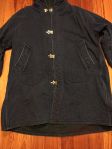
1950s Football Sideline Warm Up Jacket.

Vintage 1950s Football Sideline Warm Up Jacket

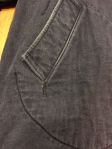
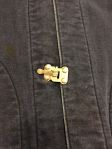
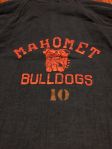
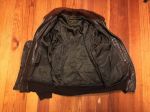
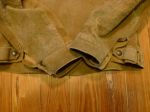
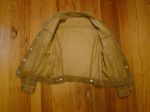
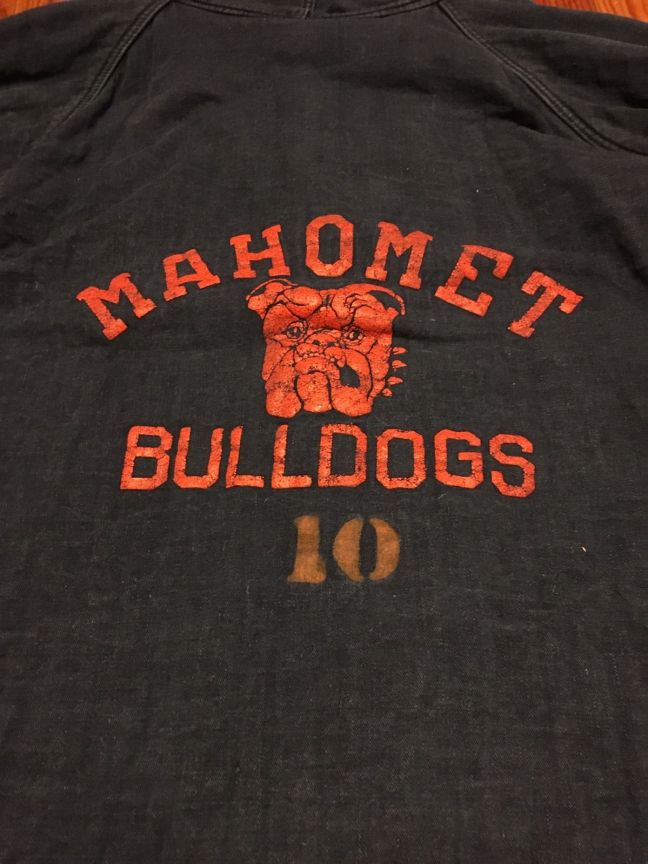
What I believe to be a 1950s football sideline warmup jacket. The jacket is made of a thick, blanket like denim with an oversized cut. D shaped pockets on the exterior and interior. Metal clasp closure. Silk screened Mahomet Bulldogs 10 on the back. I’ve traced the logo back to an Ohio High School, but know little else about the jacket or manufacturer as there’s no label. I’d guess the piece or pieces like it were manufactured by Champion or Wilson. A part from them appearing in some old photos, there’s really not any information on these available.

1950s Western Field by Montgomery Ward Upland Bird Hunting Jacket

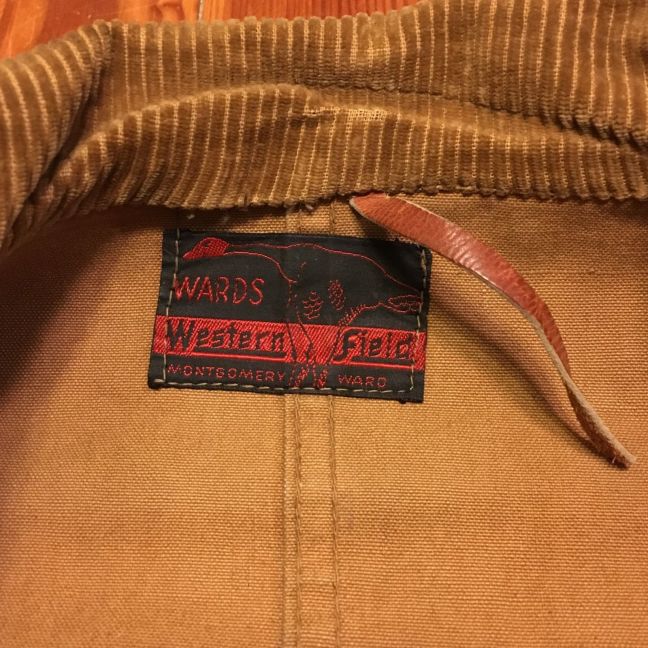
Details about Vintage 1950s Western Field Montgomery Ward Upland BIRD Hunting Jacket Men's Med

Vintage Western Field bird hunting jacket. Black Label vintage denotes age sometime between the 30s and 50s. Has game pocket around back, call pocket, hand pockets and lower hip pockets. Corduroy lining on collar and cuffs. Under the collar is a button down flap hiding an elastic band. Not entirely sure its us. Awesome lines and construction on this piece. Gusseted vented pits and back for ease of movement. Nice heavy sturdy duck cloth cotton canvas.

Camp 7 Down Jacket

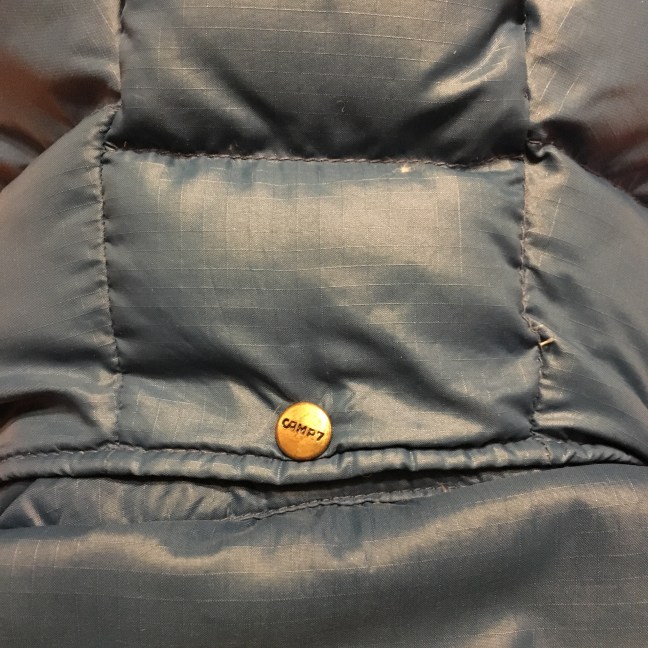
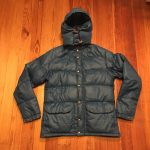
Vintage Camp 7 Down Coat

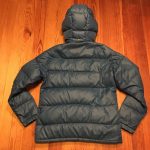
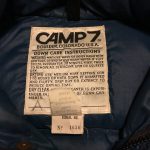
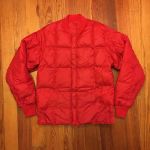
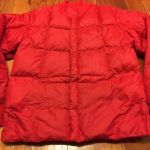
The always innovative Camp 7 line is descendant of the Alp Sport and Alpine Designs lines conceived by founder George Lamb of Boulder Colorado in the 1970s. This coat is exemplifies the company’s innovative spirit in the cut and construction of this outdoor staple.

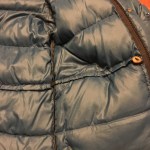
Notice specifically the construction of this coat around the arms. Where many competitors would join the torso with the arms in simple perpendicular fashion, the Camp 7 design utilizes a more complex design that includes additional quilting to form a more contoured fit and eliminates a hard shoulder seam. Additional details including the internal seam finishing in black along the back and front panels reduces fraying on high friction areas. Designers also chose the use of Polargaurd for the pocket insulation as opposed to down. Polarguard, a relatively newer product for the period was probably seen as a more durable alternative for an often used, well-worn area.

Subtle differences in the hood color, embossed snaps, which differ from the coats snaps and individual materials tag suggest the hood was a sold separately option for this coat.


1980s North Face Brown Label Down Jacket

Vintage 80s The North Face Brown Label Down Jacket

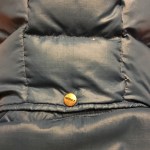
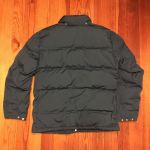
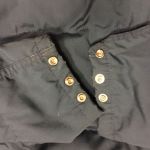
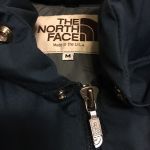
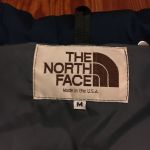
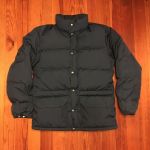
Nice example of a later first generation puffer jacket.  This piece was manufactured in the mid 1980s near the end of this iconic style’s run. Some of the giveaways as to its more recent age are the embossed buttons, TNF branded zipper pull and materials tag.  Earlier versions of this jacket were made of rip stop nylon inside and out as opposed to the 65/35 poly cotton shell seen here. Construction also included what I refer to as stitched rivets at stress points such as pocket openings.

The earliest down jackets from The North Face (and brown label equipment in general) were all made in the USA, but the label didn’t start reflecting that until the late 70s when a shift in manufacturing started to take hold. It wasn’t until people started to question where their items were made that it became part of the strategy to include ‘Made in the USA’ in the branding.

Danner Boot Recrafting

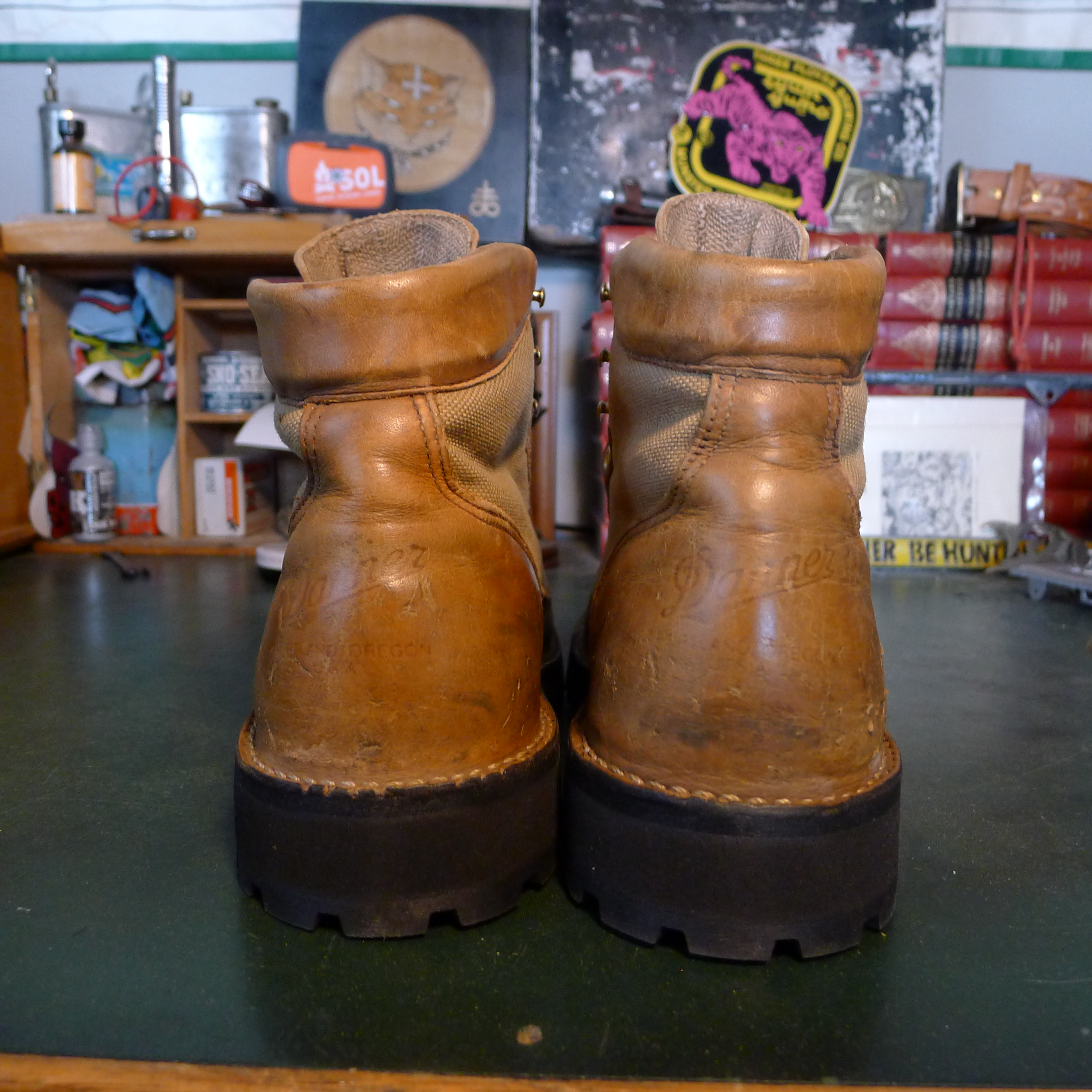
Danner boot recrafting Danner Light 30420

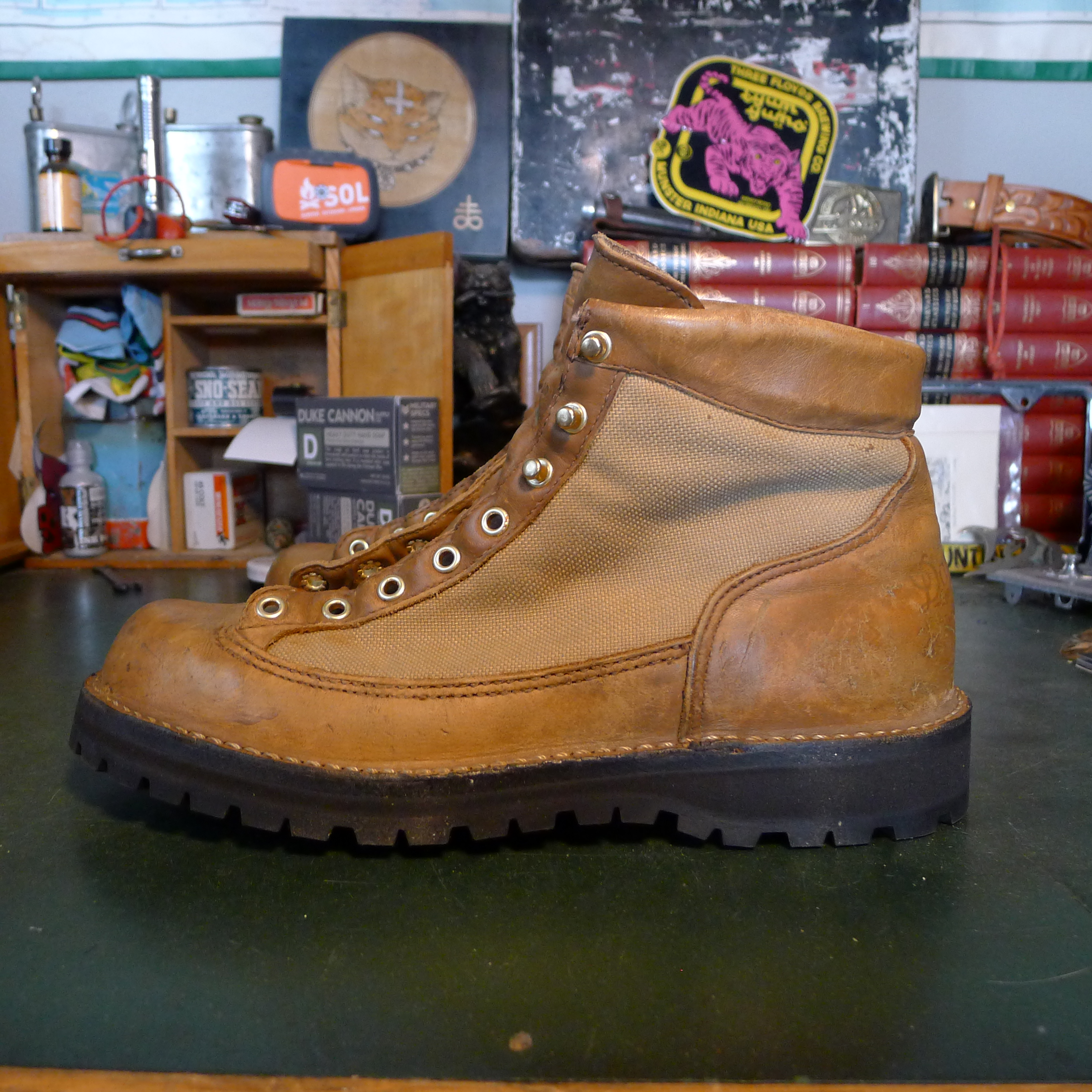
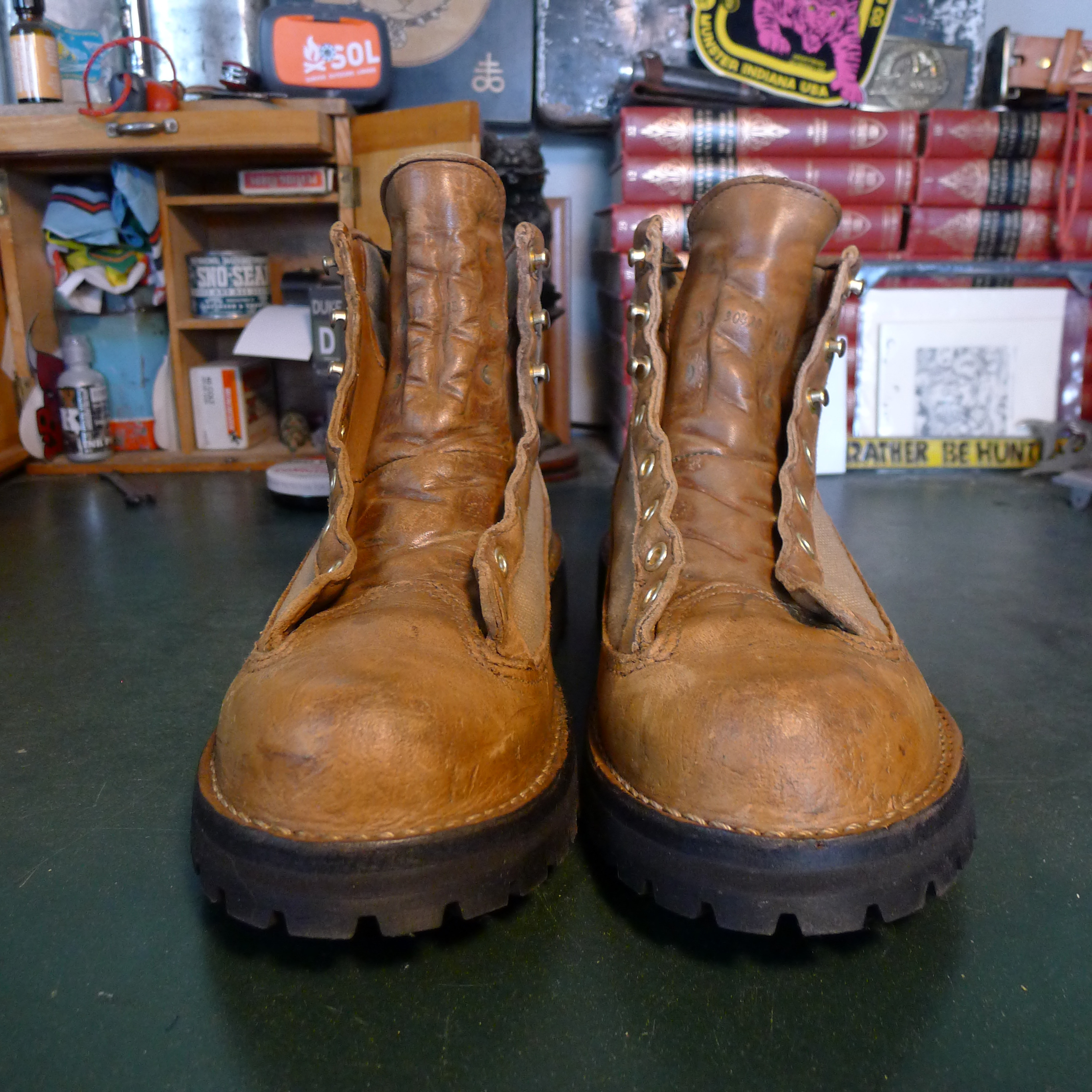
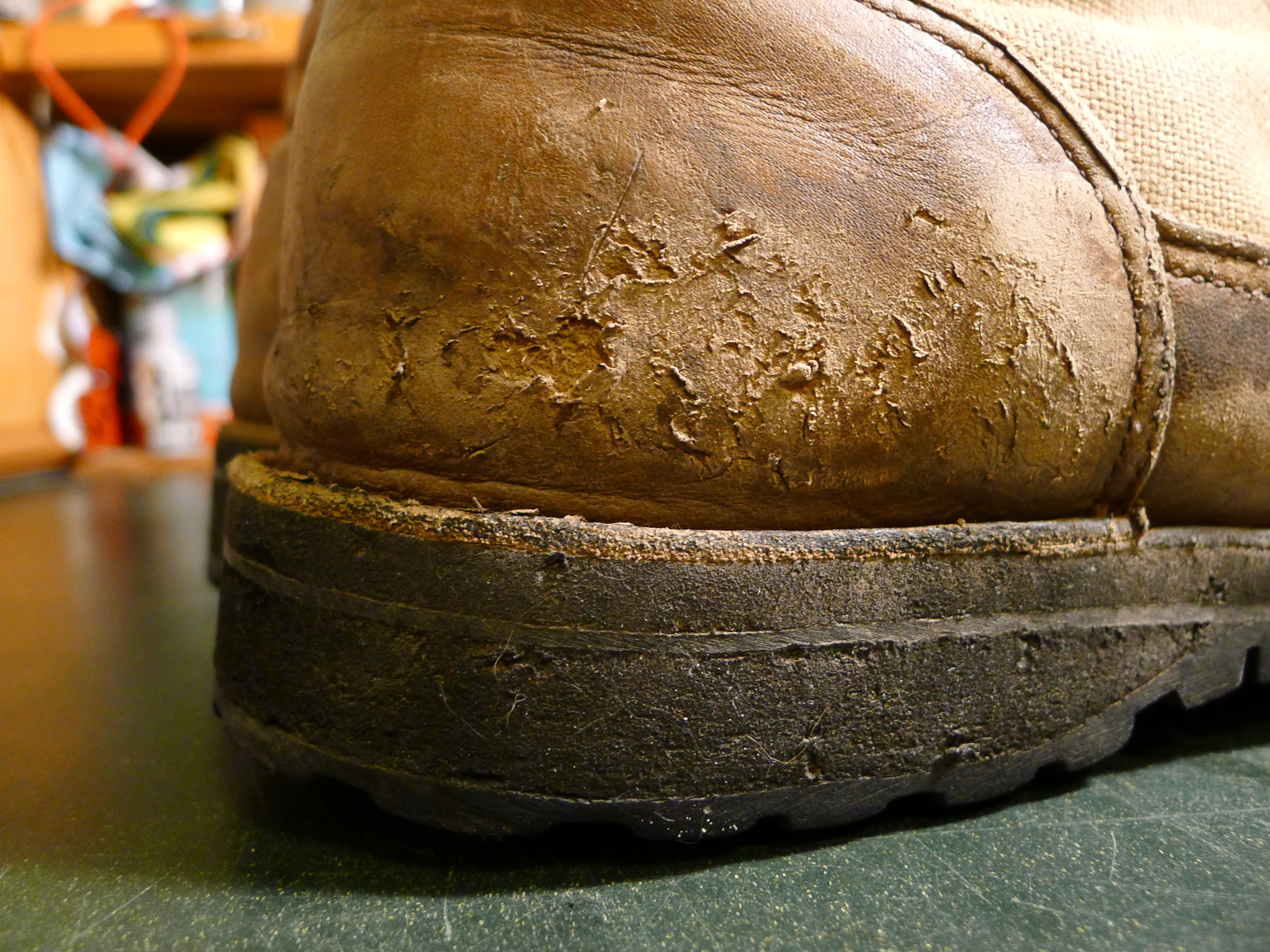
I’ve been fan of Danner Boots, ever since I found my first pair. Eventually every pair I’ve come across I’ve sold, a testament to their quality and enduring nature. Earlier in the year I picked up a pair of older Danner Light 30420. Condition was less than favorable, perhaps even gone enough I wouldn’t make the $3 dollars back I’d paid for them. Being they were a good fit for me, I decided to run them through the recrafting process and see what I got back. As I sit here typing this in brand new old Danner boots, all I can say is, I’m glad I did it.

Forms and information on the recrafting process are easy to find and follow on the Danner site. As long as your boot has a stitch-down welt it boot should be recraftable. Simply remove the laces, insoles and send them to address provided with the form marked for appropriate servicing. If your unsure on the services your boots may need, just ask. I sent an email with questions on mine before hand to which I got a quick and friendly response. When filling out my form, I wrote in that I’d be interested in any additional service their people recommended. Basically, the heel on the boots I was sending in was a bit wonky, but I was unsure if the heel counter service would remedy it. Shortly after my boots were received I got a call from woman at Danner letting me know my heel counters were indeed broken and it was recommended I replace them, to which I gave the go-ahead. On the call I was also informed my boots had passed the waterproof test and there was no need to worry there. My call was followed by an email letting me know the queue for the process was 8 weeks. That’s about what I expected, and I was happy to wait.  No less than 7 weeks later I got a friendly email letting me know my boots were on their way back to me accompanied by professional before and after pictures.

The workmanship on the recrafting is quite simply amazing. I’ve had boots resoled, which always ads an element of newness to them, but this was above and beyond. The wonky heels are solid! The toes are rigid and shaped again. They’re overall cleaner than I imagined they could ever be. The boots were returned to me with new laces and a brand new set of Danner Airthotics, along with the business card of the gentleman I presume did the work.

I don’t know that you need to send your boots back to Danner to have such great work done. There’s probably a capable cobbler in your area. But if you have the time and means to put your boots through the process, I’d recommend it. Some of the best customer service I’ve ever got from a company.
 

Holubar Tubular Waist Pack

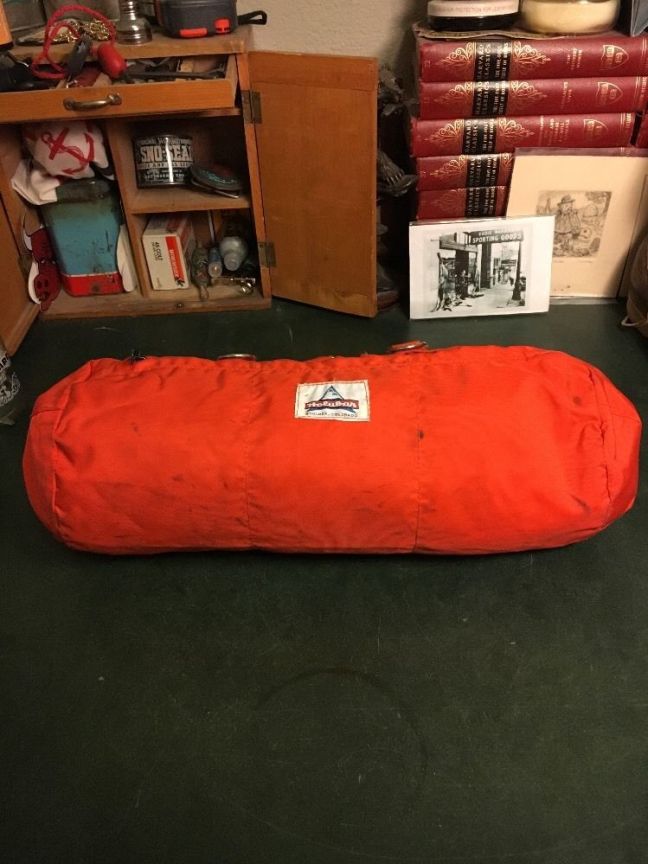
intage Holubar Orange Waist Pack Boulder CO

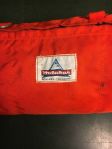
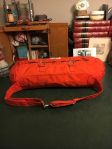
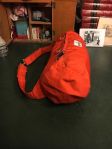
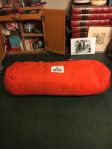
Unique tubular shaped Holubar waist pack. The pack is made of heavy orange nylon with straps constructed from the same material, doubled over for strength. The almost oddly long bag measures 18″ by 6″ high and 6″ deep. Where as most waist packs are relatively abbreviated in width to sit either squarely in front or behind the user, the length of this bag would cause it to wrap around most users. To battle this, the straps are inset on the bag as opposed to attached to the ends of the bag. D rings at the top could be used to secure rolled items such as a jacket to the outside, or possibly even to attach the pack the bottom of a day pack with corresponding lashing squares.

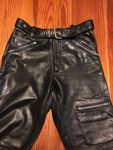
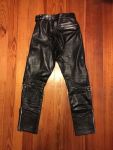
Unknown 1960s Leather Motorcycle Pants

Vintage 1960'S Motorcycle Black Leather Pants

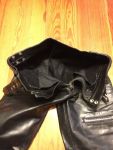
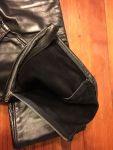
The pants bear no makers label, but are believed to be from the 1960s based on the zippers. Those are Talon at the crotch and Ideal at the pockets and ankles. Pants feature a built-in belt. Heavy duty snaps, grommets and rivers. Also has belts around the calfs. Those belts are attached on the back of the leg and free around the front. Pants are unlined with black poly cotton pocket linings. Believed to be top quality steer hide, but possibly horse.

I was hopeful these would be identified as custom Langlitz Leather or Buco pants, but have found little to support either. If anything the hardware used disqualifies them from being Langlitz as another collector told me. If they look familiar please let me know.


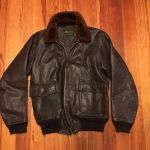
1950s Monarch USN G1 Flight Jacket

Vintage 1950s Monarch USN G1 Flight Jacket

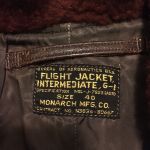
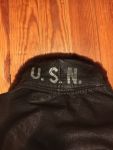
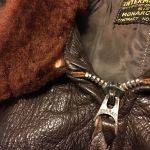
This is a prime example of the sought after Monarch USN G1 flight jacket. The Monarch made jackets were produced just one year post WWII in 1951. The jacket shows specification MIL-J-7823 (AER) and contract no. N383s-80667.  Features of this particular style that set it apart from other flight jackets such as the A-2 used by the USAAF include a “belted” back, gusseted shoulder seems at the back for greater movement. Shearling collar with collar strap and a large internal map pocket. The jackets were constructed of soft but durable goat skin.  Jackets are marked USN with stencil on the underside of the collar.


Carikit by Holubar Down Insulation Layer Jacket.

Holubar Carikit Down Insulation Layer Jacket

Carikit was Holubar’s foray into the sew-it-yourself market in the mid 1970s. The name was later changed to Holubar Sew-It-Yourself Kits for stronger brand recognition with the parent company. This garment could be used as a layering piece or  worn as a jacket. The style first popularized by Eddie Bauer features elastic cuffs and collar. Small snaps and two front pockets.
1960’S Levis Leather Type 3 Leather Jacket – Big E

Vintage 60'S Levis Leather Type 3 Jacket - Big E- suede rough out

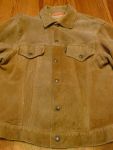
1960s Levis leather rough out leather jacket. The Jacket is similar in cut and construction to the Type 3 denim jacket produced during the same period, but has some pattern differences namely in the sleeves. Type 3 denim jackets are constructed using basically two pieces (not including the cuff) while the sleeves on this jacket are made up of four pieces. The torso of the jacket follows a much more similar pattern. Another noticeable difference is the use of snaps instead of the metal stud buttons.

I’ve seen other listings claiming the jackets are suede, but I would classify it as rough out. The texture (even when new I am guessing) is just not as fine as suede. I’ve also seen listings claiming buck skin, which I can see judging by the inside of the jacket, but it seems more likely they were made from cow hide.

Similar jackets may contain Levi’s “short horn” Western Wear Label.