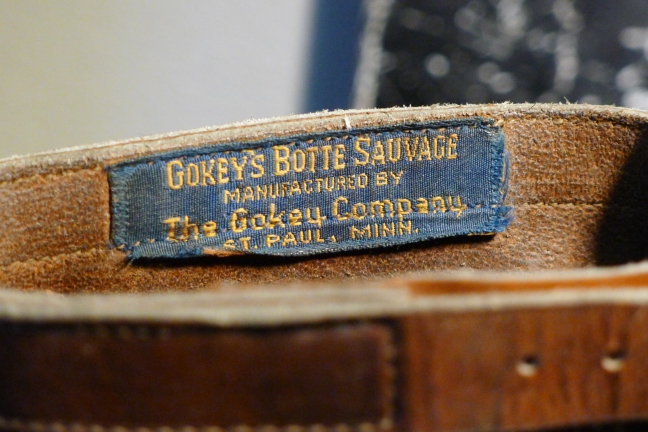
Gokey Botte Sauvage Snake Proof Hunting Boots

Vintage Gokey Botte Sauvage Snake Proof Hunting boots

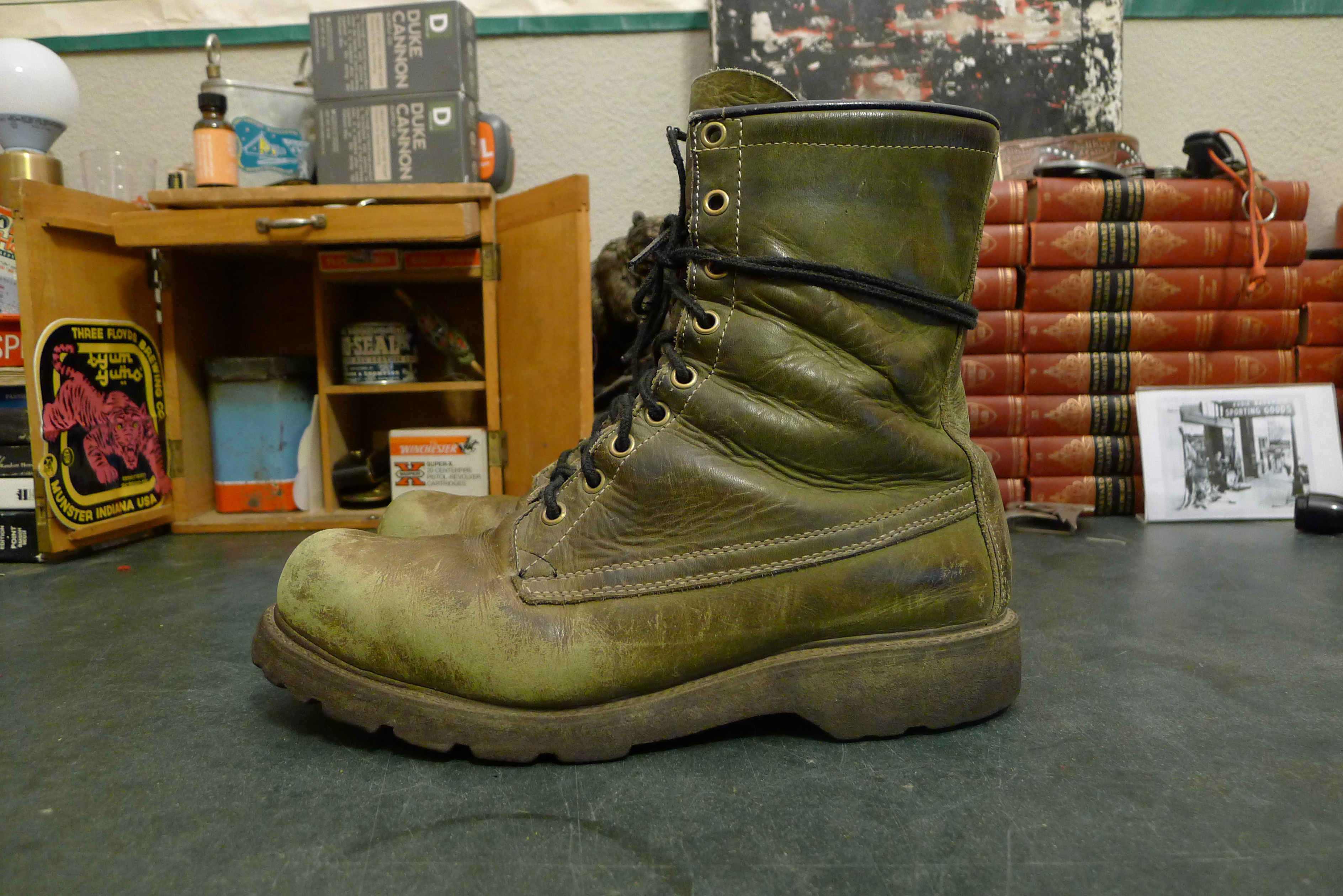
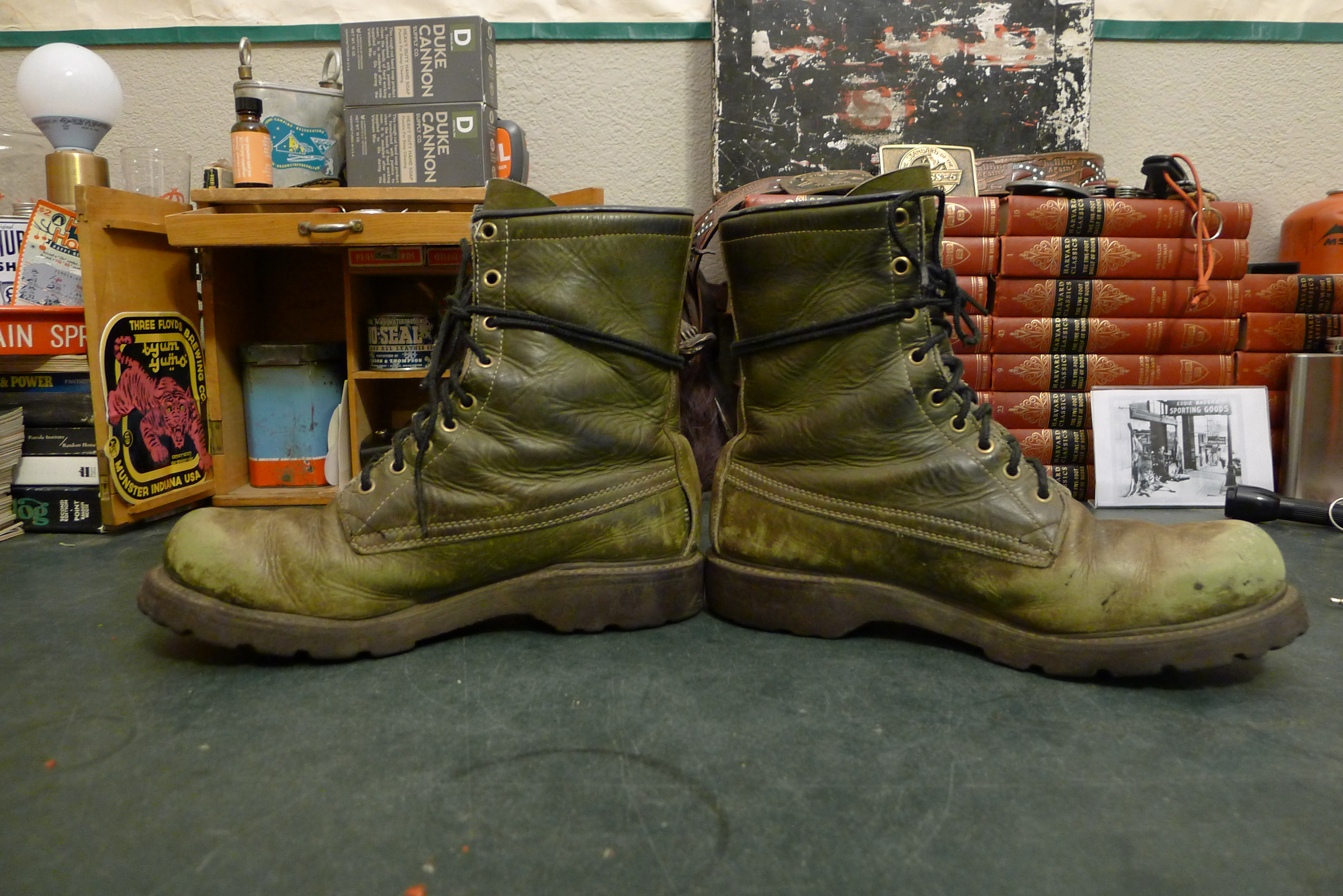
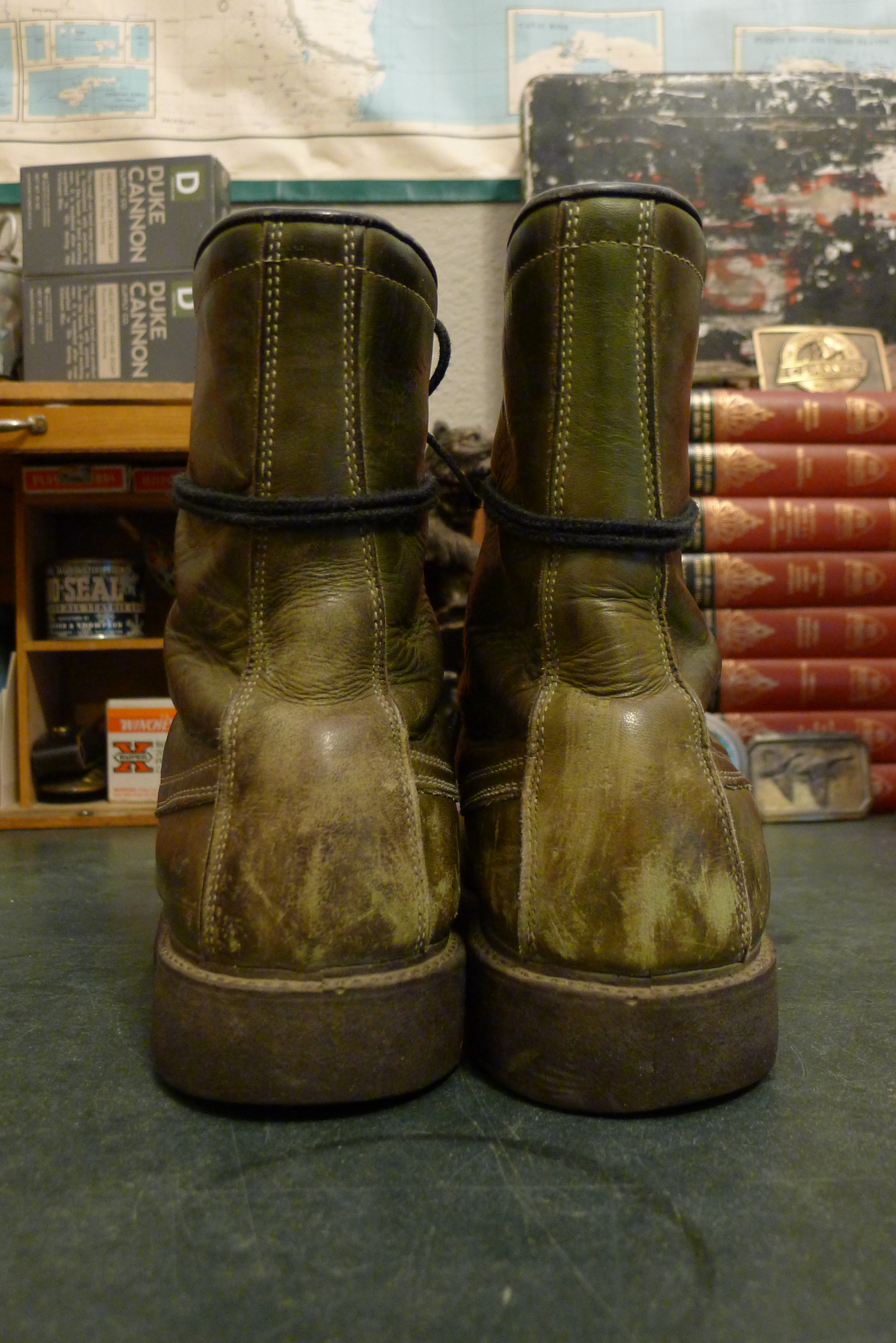
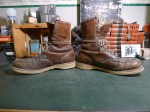
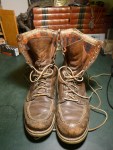
Looking at a vintage pair of Gokey Botte Sauvage Snake Proof Hunting boots. These boots probably date from the 50s or 60s and are based (as the name suggests) on a style of French Trapper boot popular in the north-east and great lakes area. The Gokey company produced this same boot for outfitter’s Abercrombie & Fitch in the early mid-1900s. Their boots and bags of legendary quality and the standard for the worldly adventurer of the day.

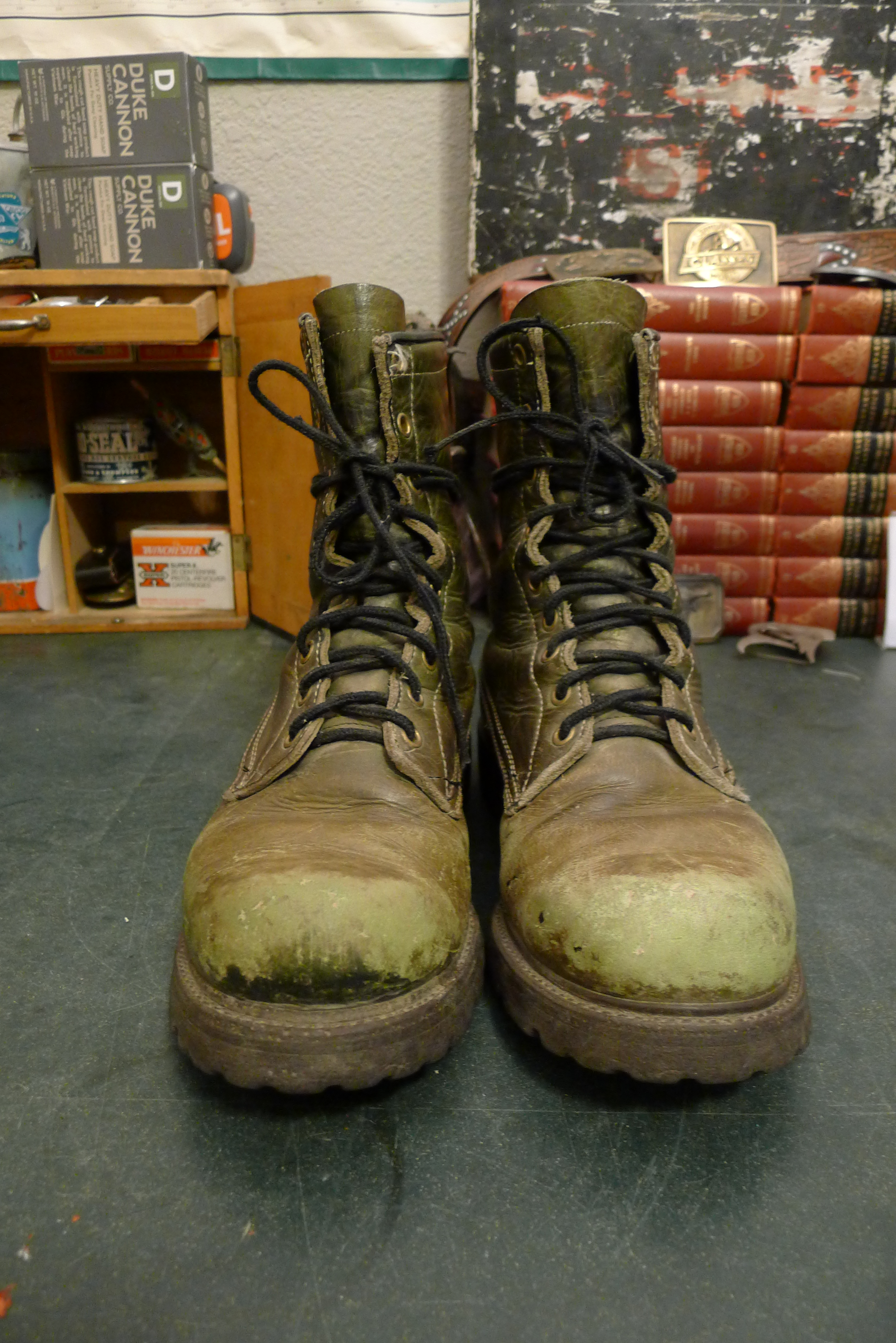
The boots are of relatively simple construction of high quality materials. In the realm of boots crafted in Minnesota they’re somewhere between Red Wings and Minnetonka’s. The 15″ tall boots are constructed of thick, quality leather. Anchor brand brass buckles at the top and ankle give them an almost engineer feel, but with the moccasin style toe.

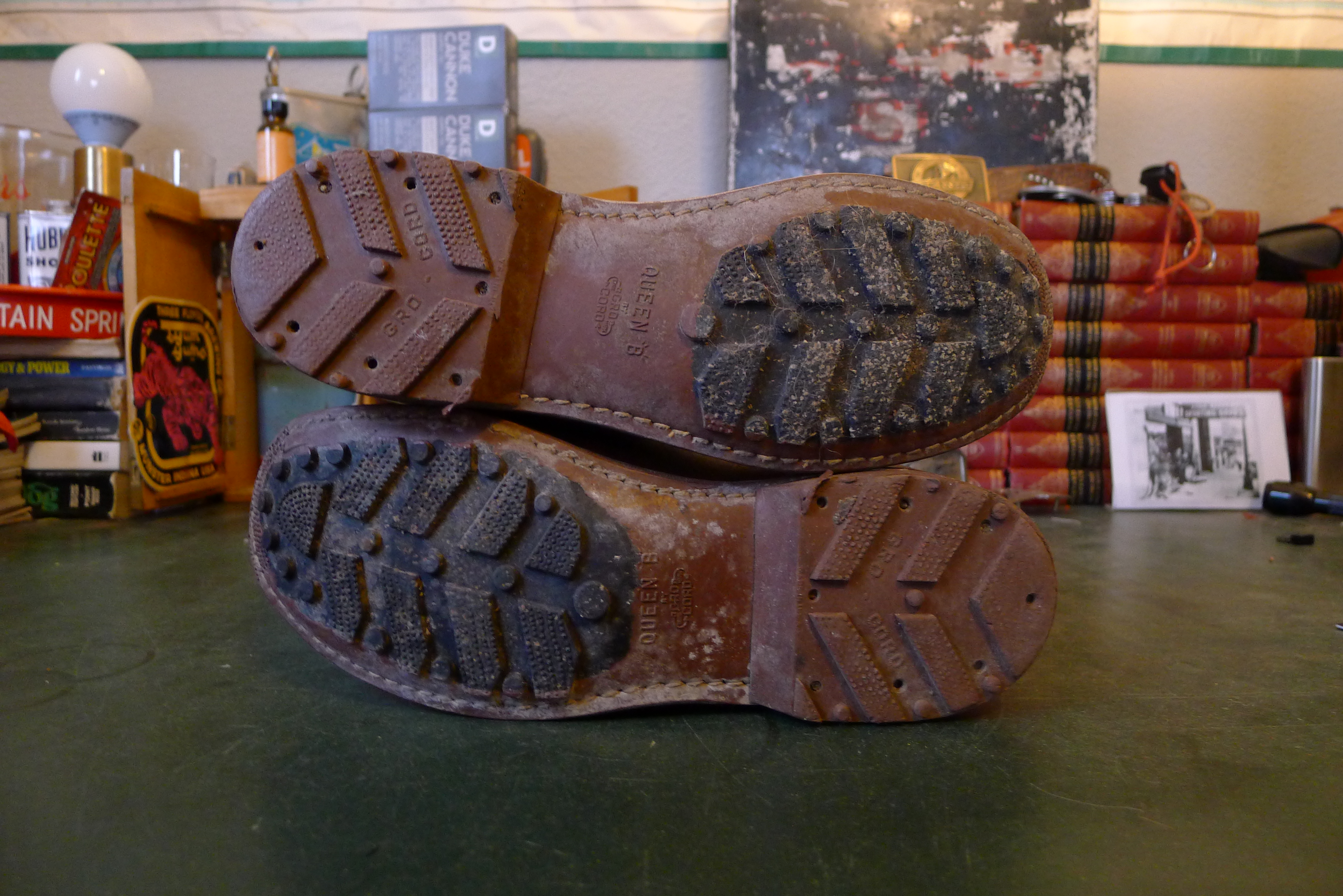
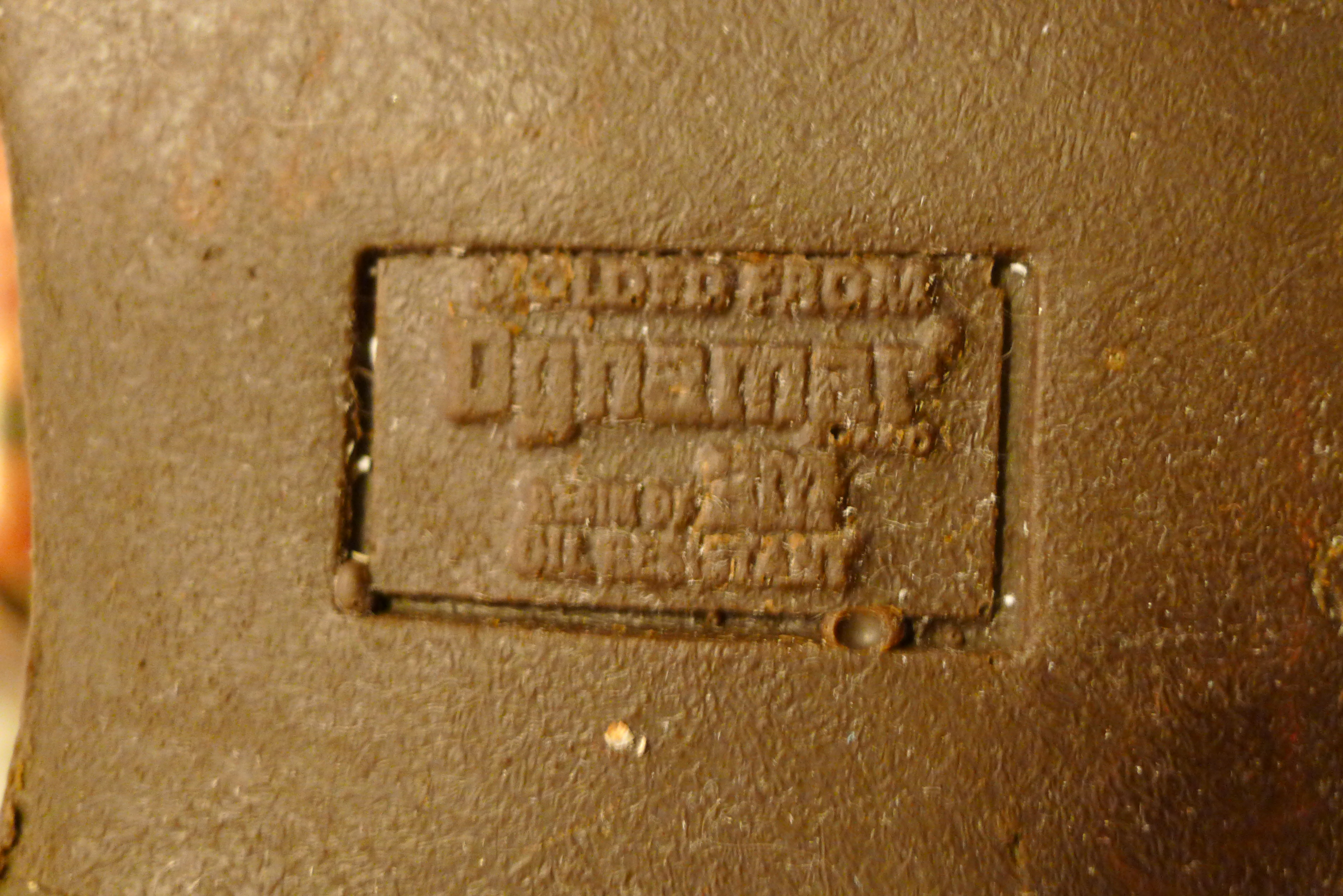
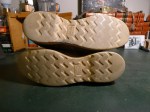
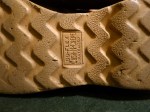
This bot features Queen B soles by Gro-Cord, but from looking at other such boots it appears the choice of sole changed throughout the years. The black fore soles are ingrained with pieces of rope or hemp for additional traction.

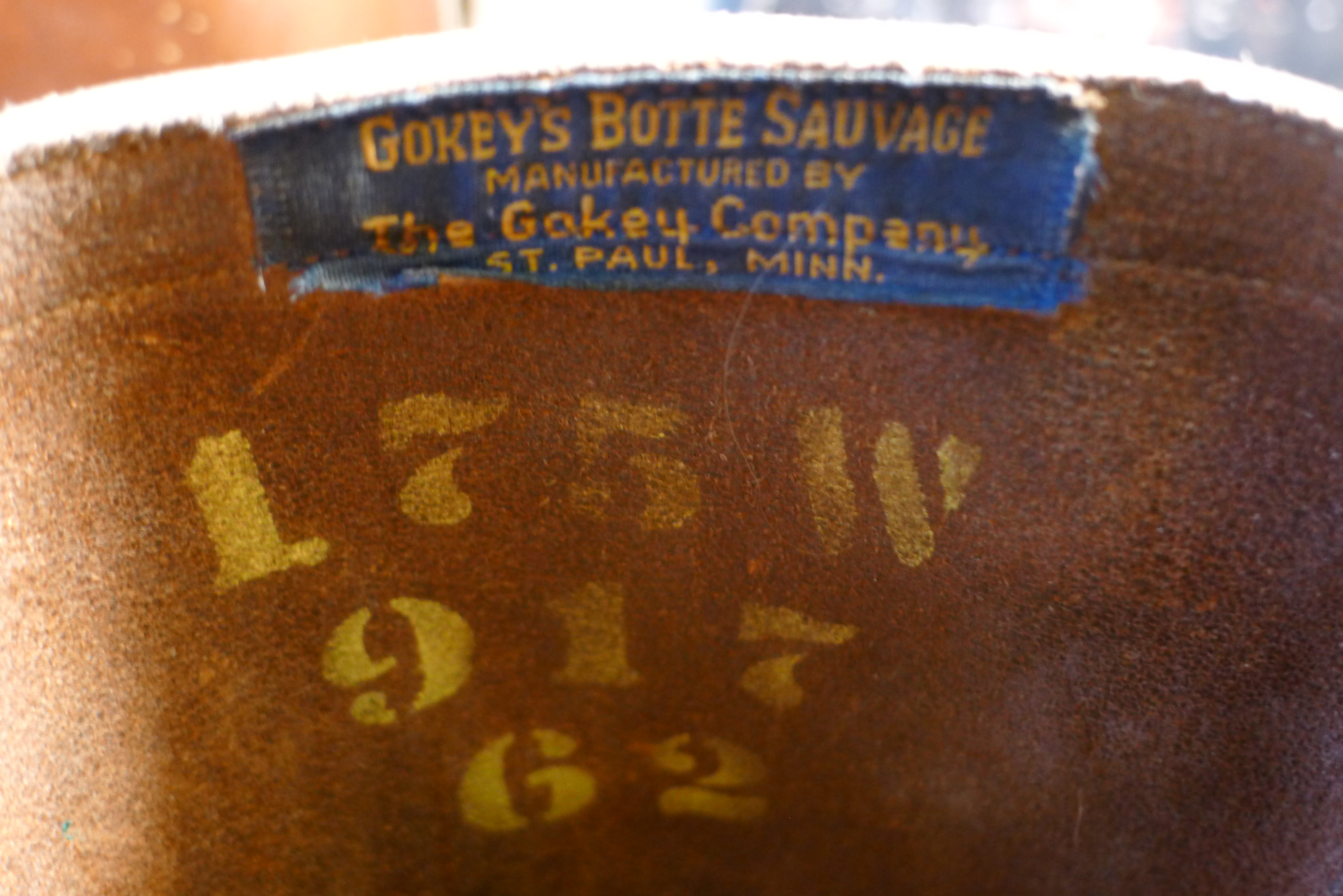
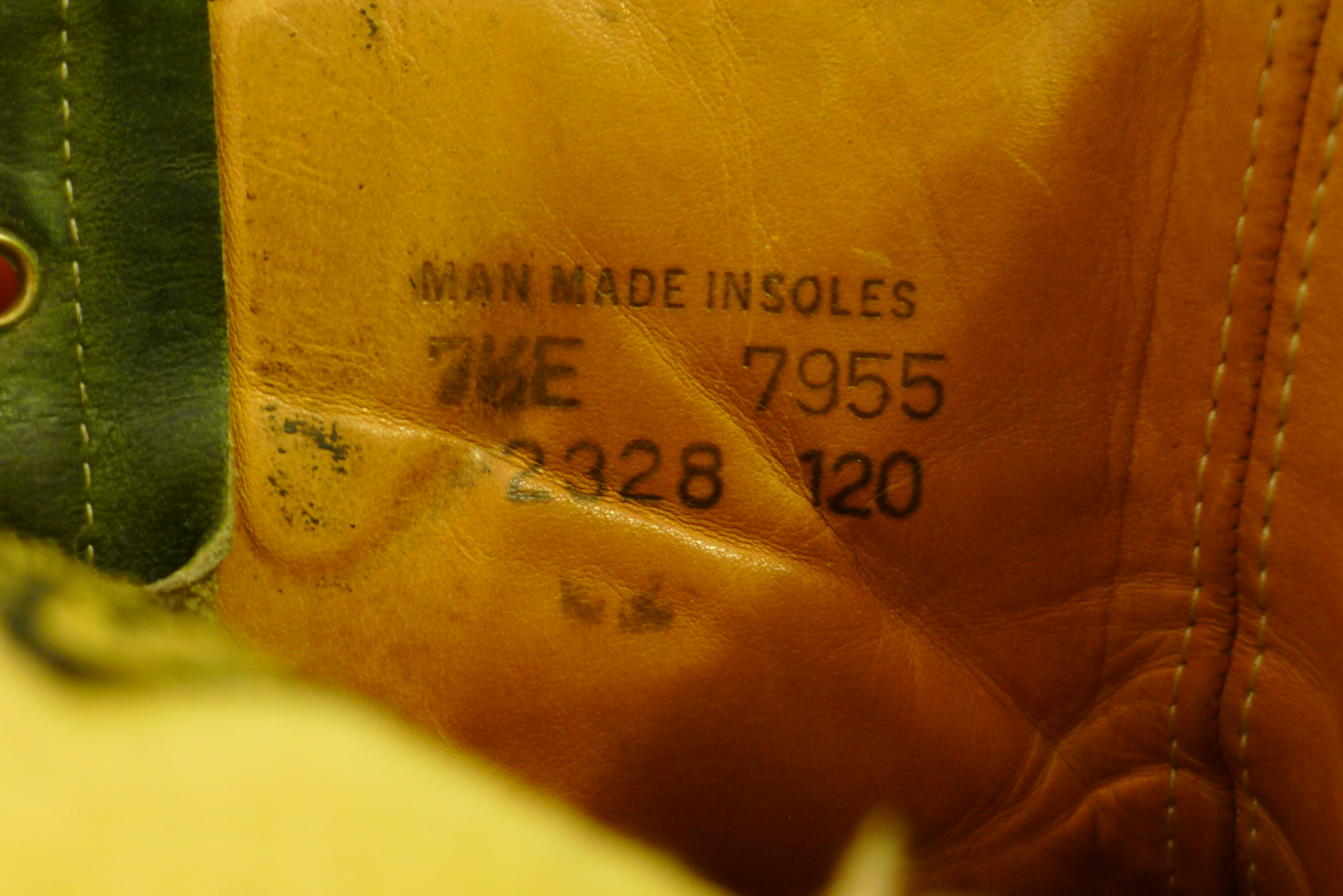
I have been researching the markings inside the boots but an unable to make definite sense of them at this time. My best judgement, these are size 7.5 men’s 9 women’s? I should also note the shaft on these boots is long and narrow, not for the person with a big calf and would require some ankle flexibility to get in to. Newer models offer a side zip after many requests I’m sure.

Chippewa Black Label Hunting Boot – Model 2328

Chippewa Black Label Hunting Motorcycle Boots - Olive Green - 7.5 E Model 2328

Neat pair of old black label Chippewa boots. The style is a 8″ round-toe hunting type boot. What makes these special is the olive green leather. Green leather was an option on boots makes and models from this time period, but you find green par is far less. The leather is died through therefore scuffs are a lighter shade of green instead of brown. The boots are lined inside with brown leather, but are not insulated. The back of the tongues are lined in a gold cotton blend material. These boots also feature a darker olive Dynamar crepe type sole. The boot feathers the embroidered black label in the right boot only. The embroidered label predates the screened and dates these boots back to the 1960s.

Woolrich 60/40 Mountain Parka

Vintage Woolrich Mountain Parka 60/40

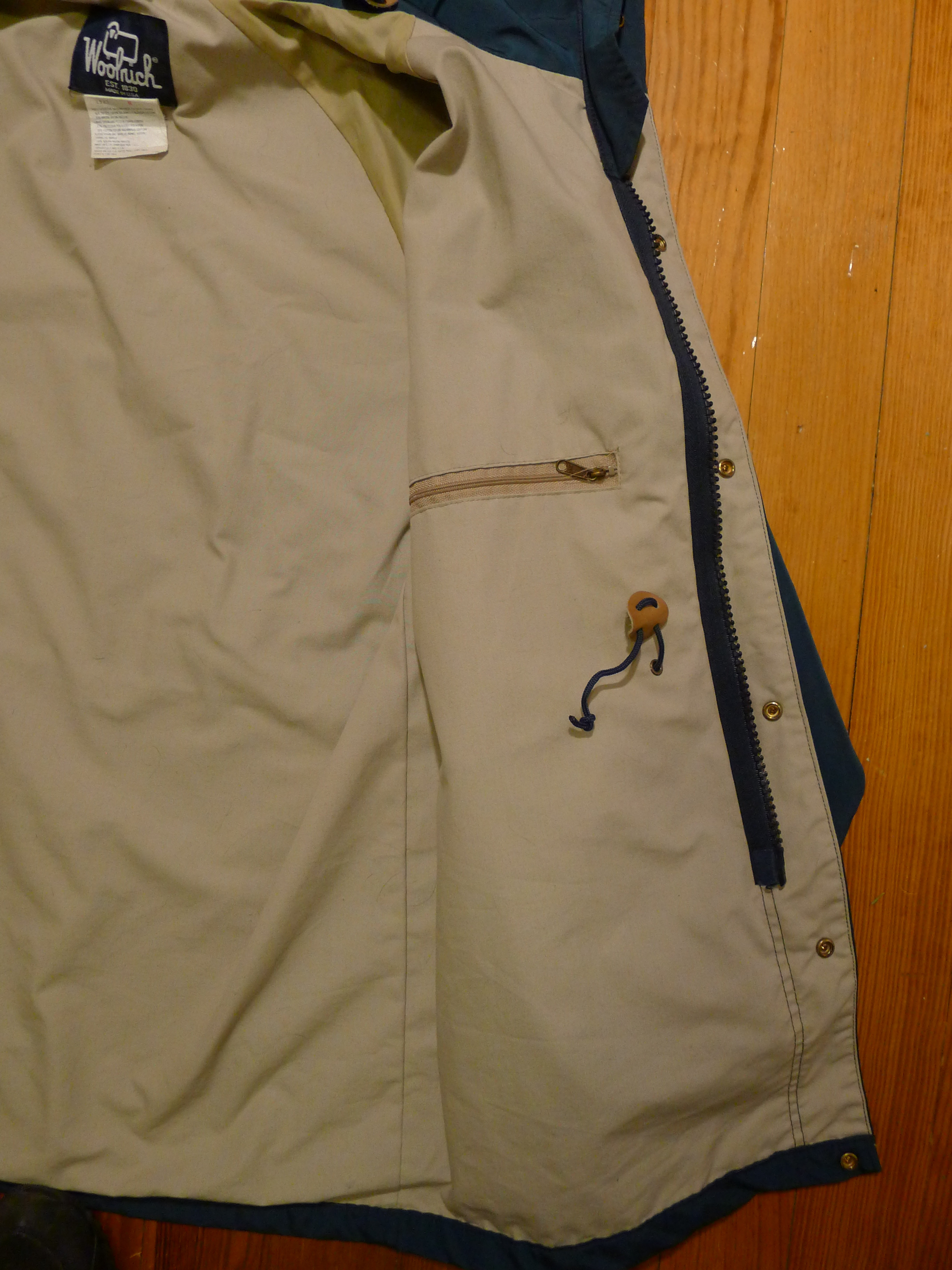
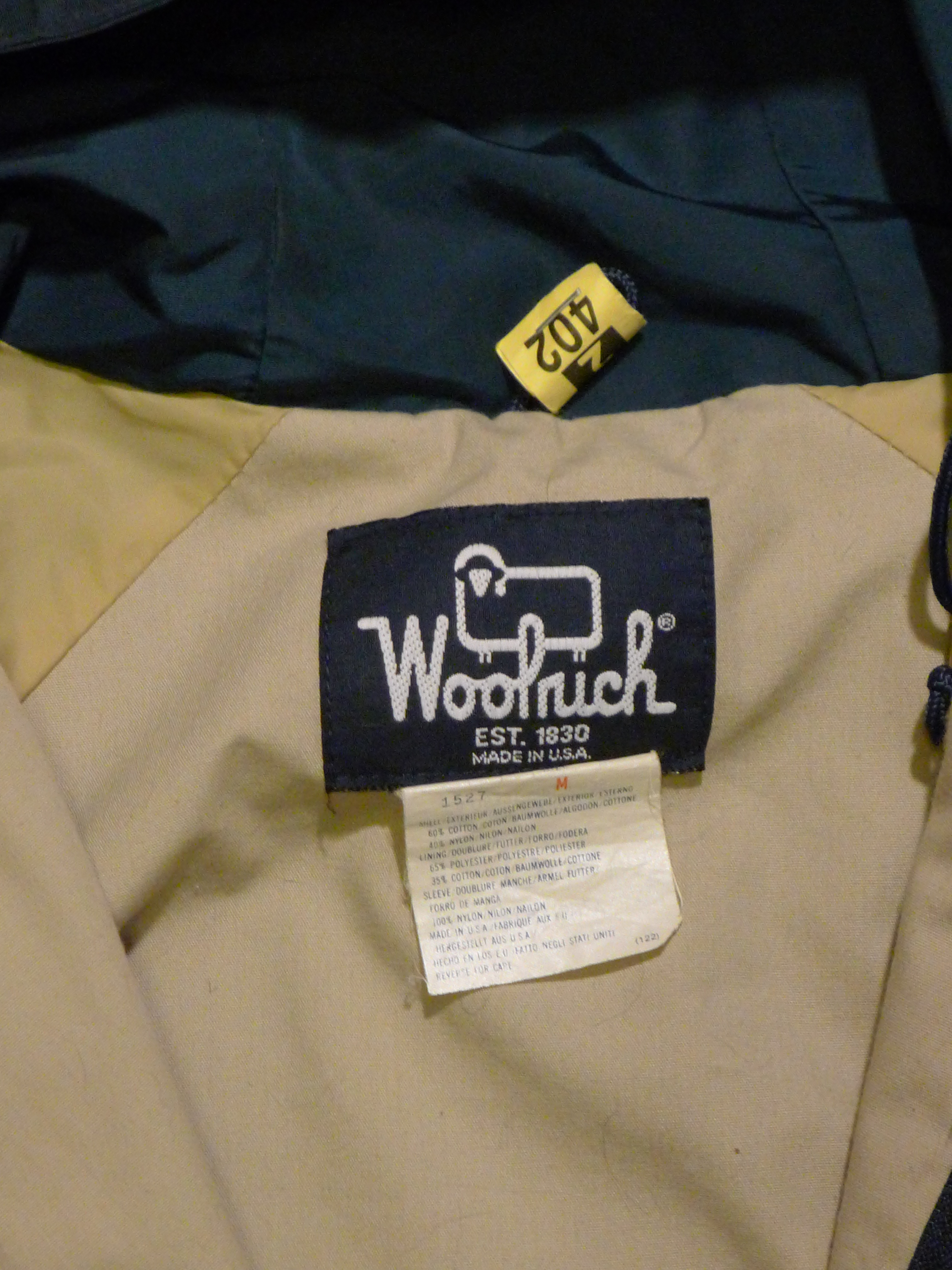
This Woolrich Parka features classic styling composed of materials and craftsman ship that was top of the line in its day. The shell is made of the famed blend 60/40 Cotton/Nylon material popularized by Sierra Designs in the early 70s. This material was most weather proof fabric of its time, before Gore-Tex. Linking is made of a poly cotton blend with Nylon sleeve liner. This ingenious design allows the wearer to slip the jacket on and off over wool shirts and the likes with no binding or bunching. One inside pocket and double breast and hip pockets. Elastic cuff closure, waist and hood draw cords with leather disc cord locks. Main closure comes via a heavy gauge YKK two-way zipper and logo embossed brass tone snaps. The 60/40 has a nice sheen and tends to make separate panels different shades of blue in different light. Not all 60/40 is created equal. Depending on the cotton and nylon fibers used the material can vary in thickness, stiffness and sheen. The Woolrich sheep logo of this time period was recently relaunched and dubbed the “White Collection”. The line is quite nice and does well to honor styles like these.

Vintage 1975 JanSport Mountain Dome Tent.

Vintage 1975 JanSport Mountain Dome Tent

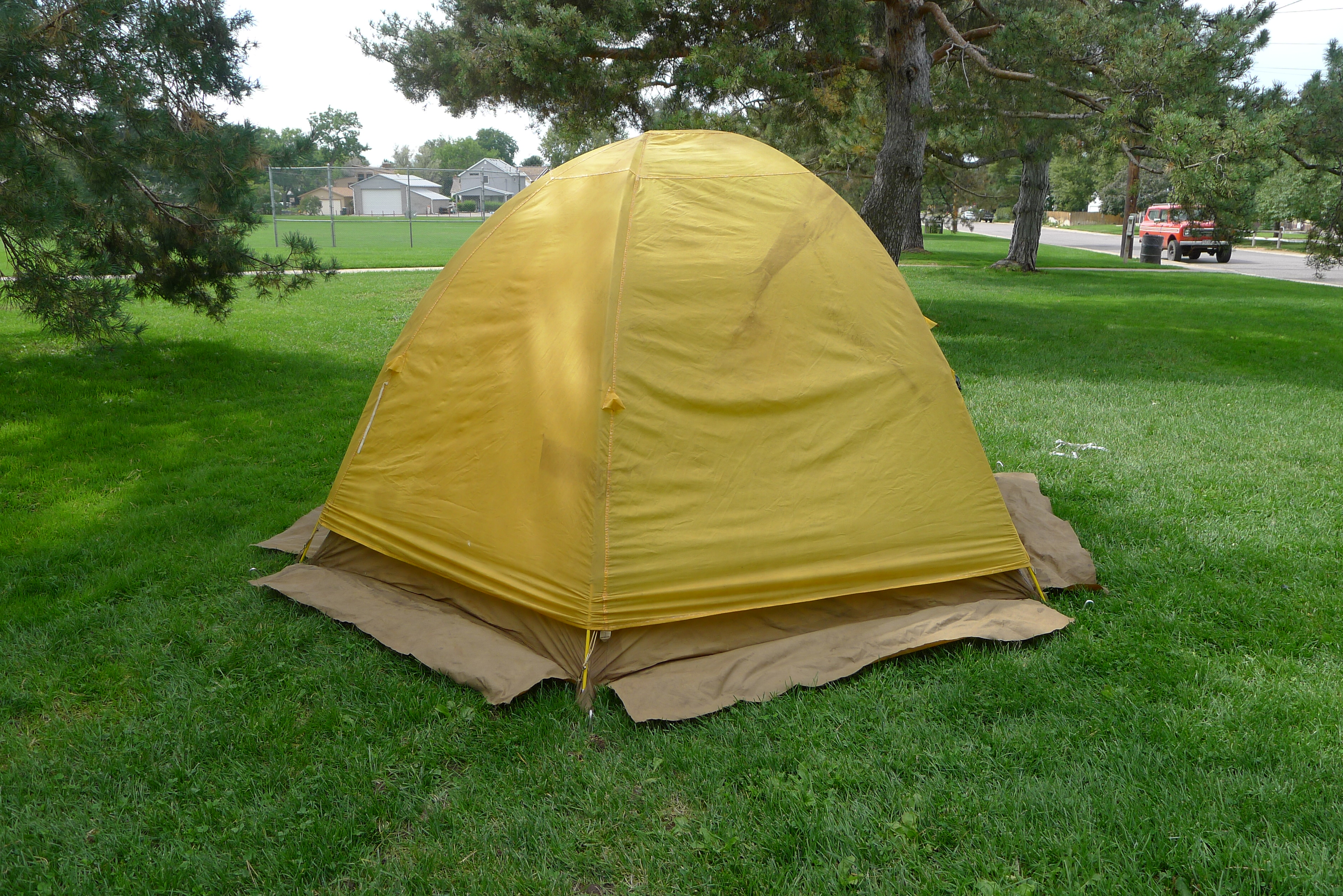
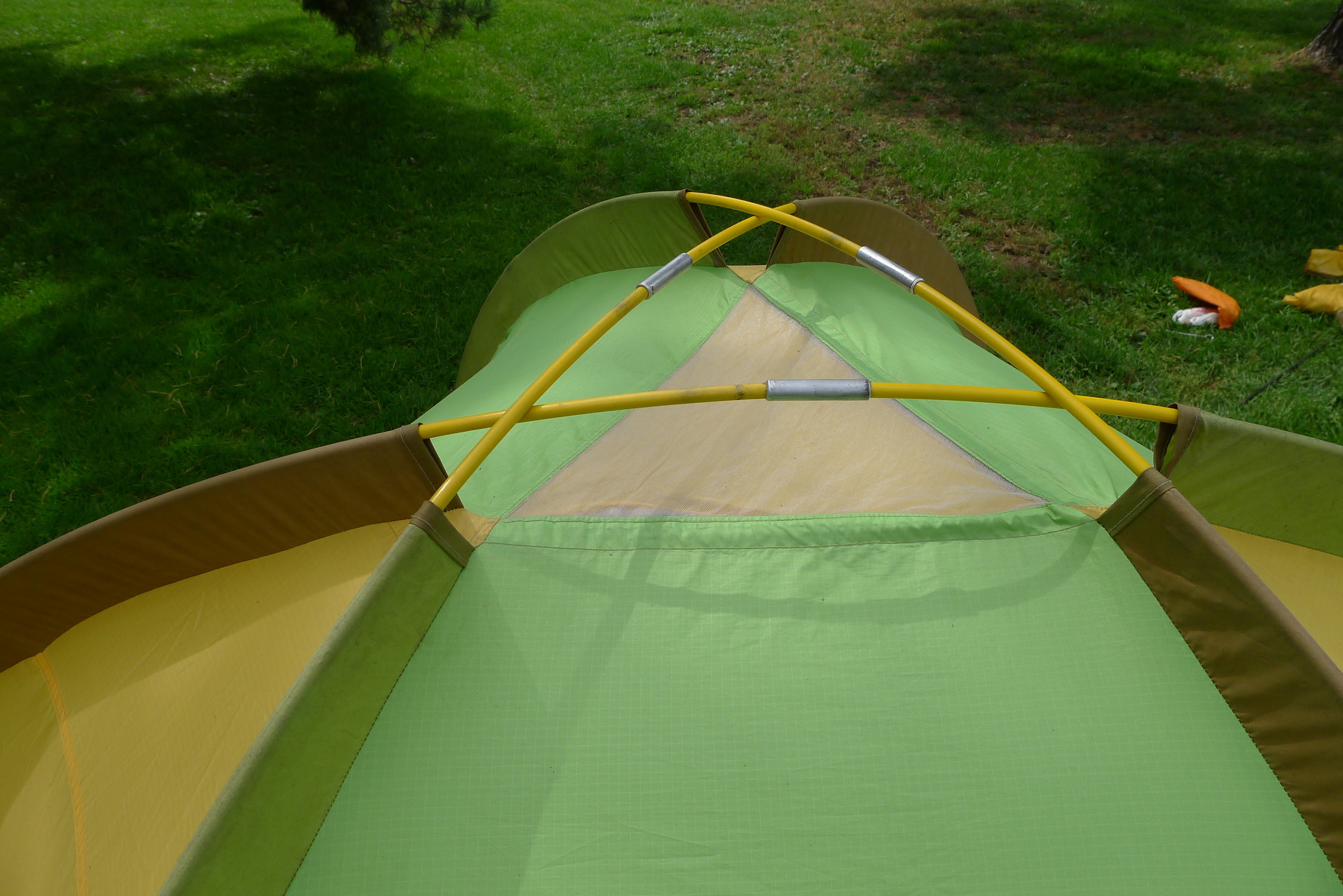
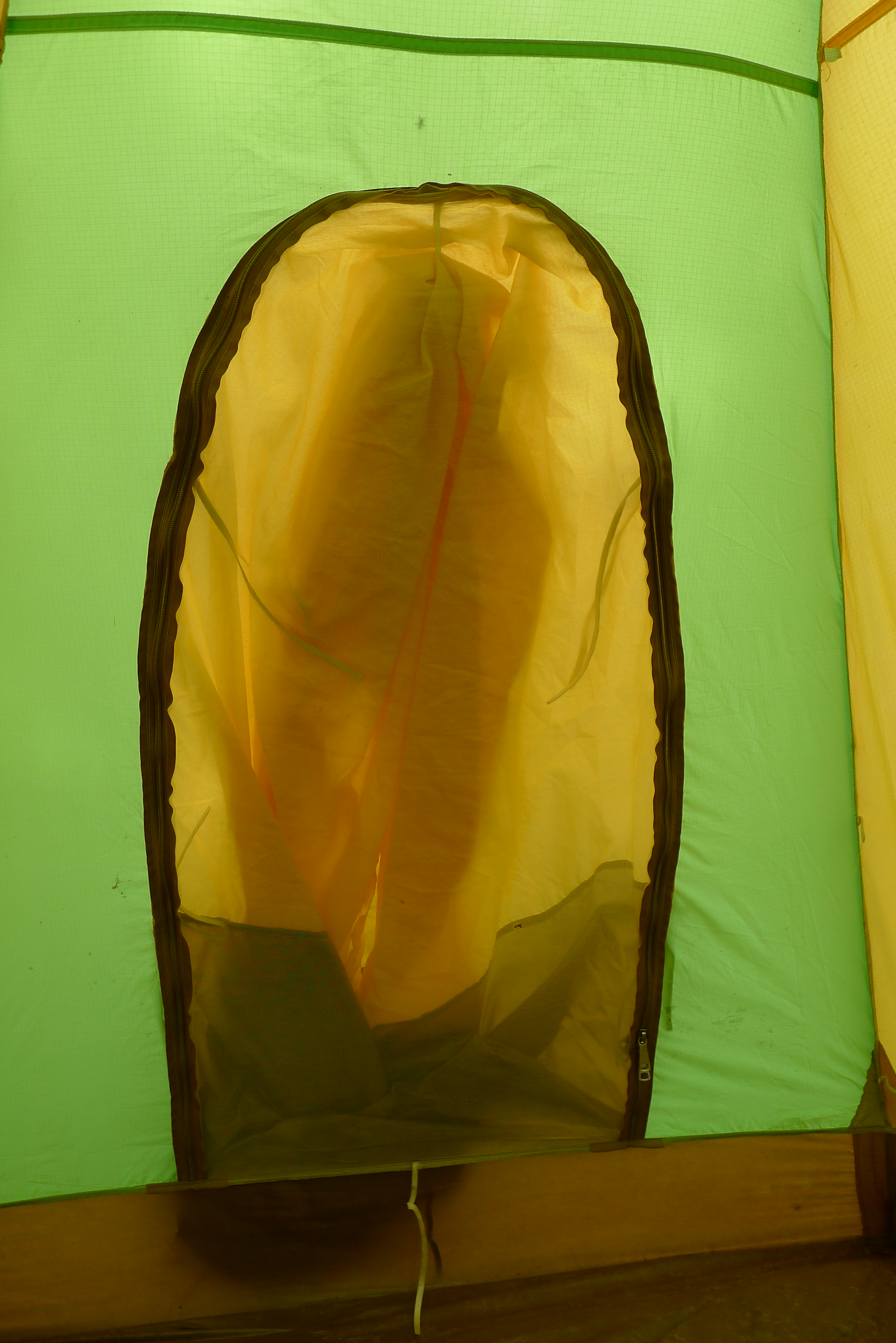
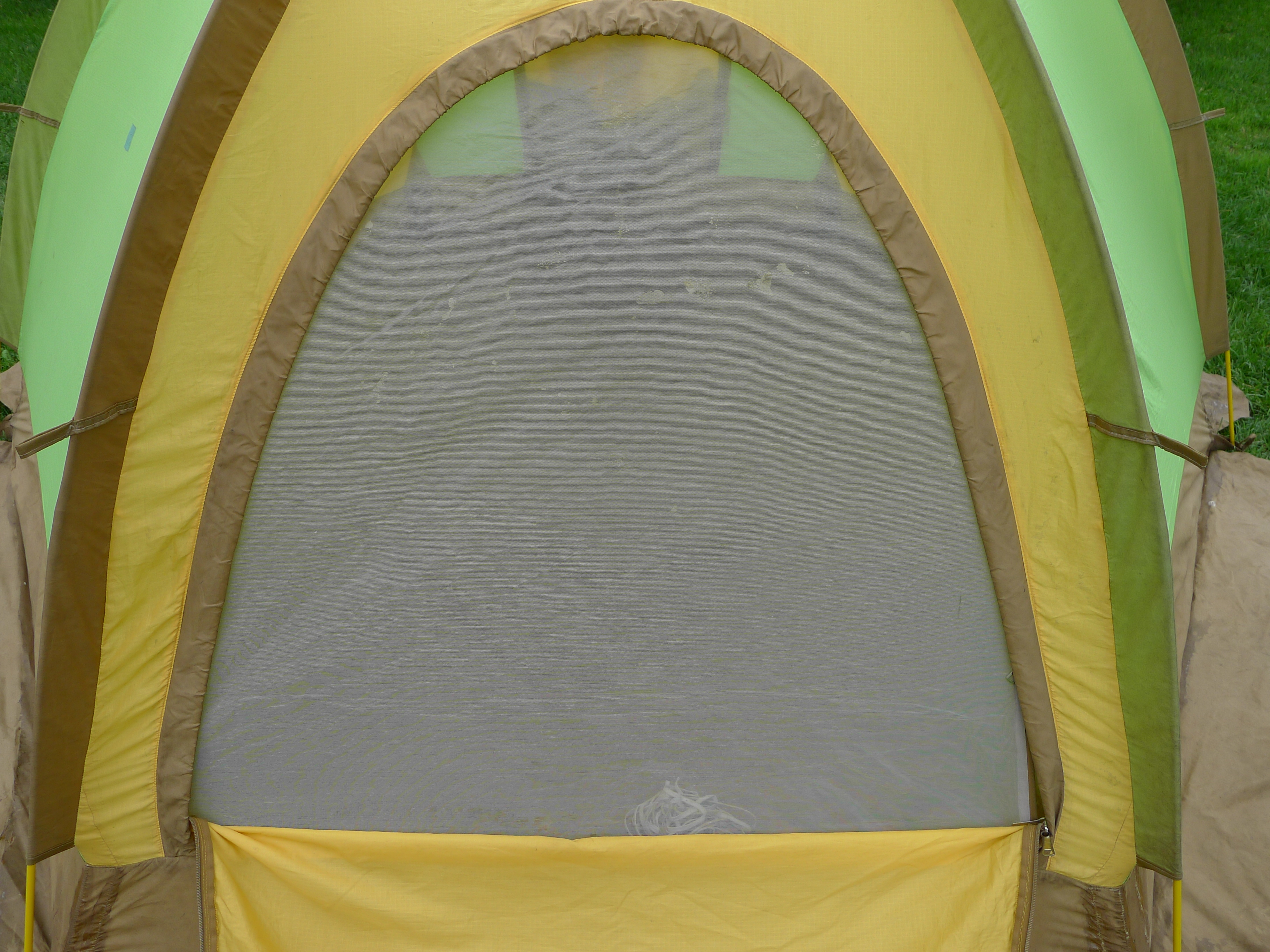
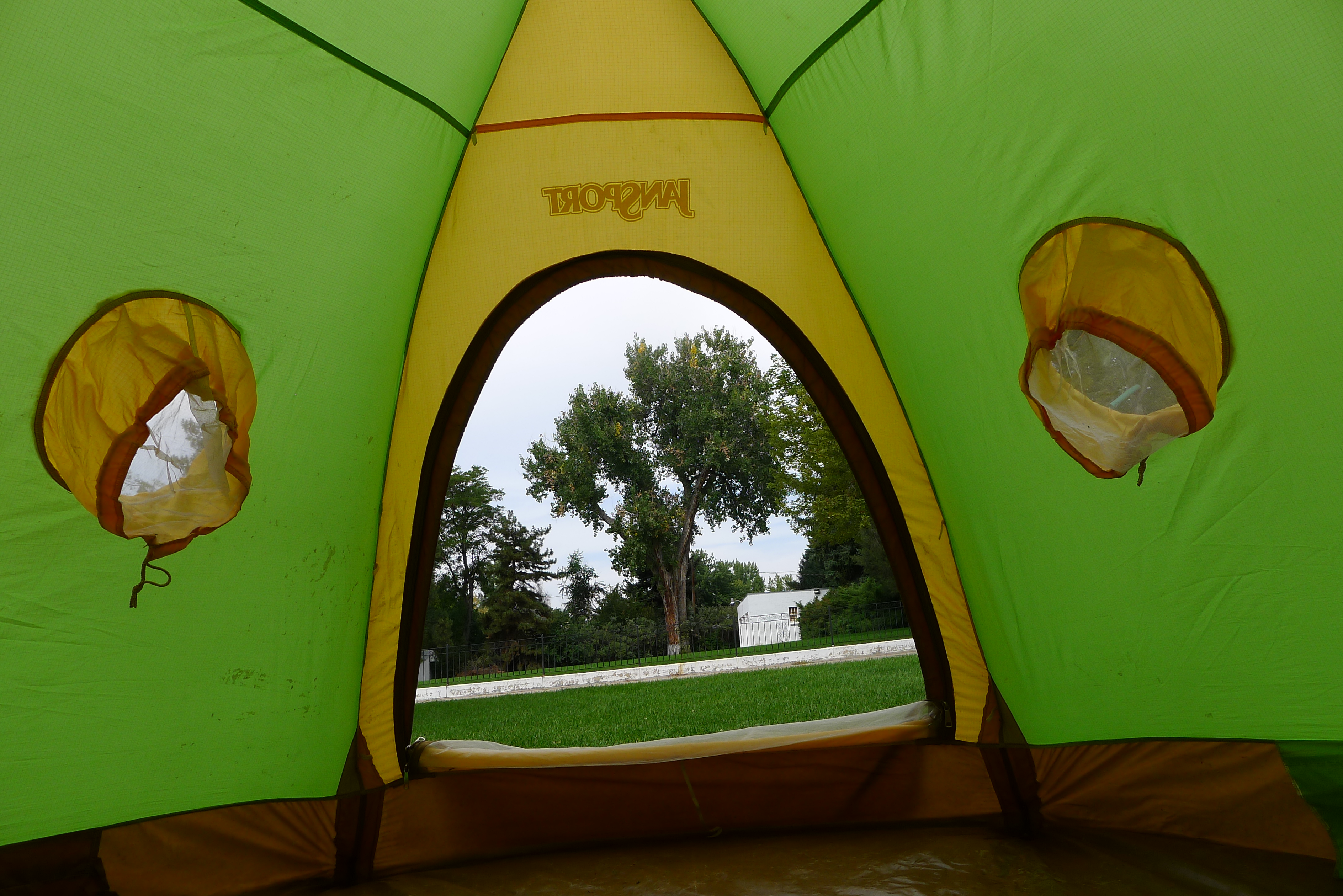
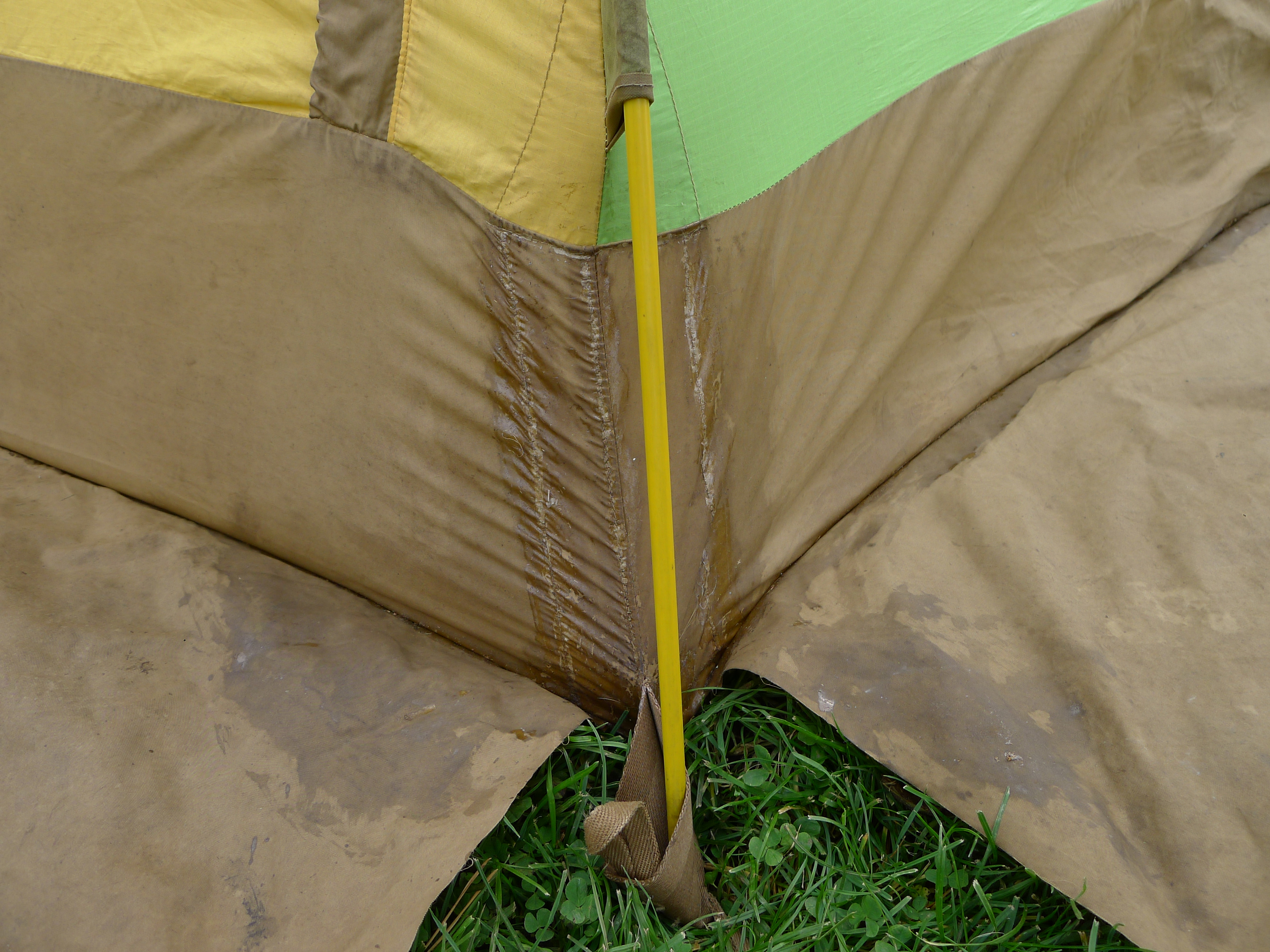
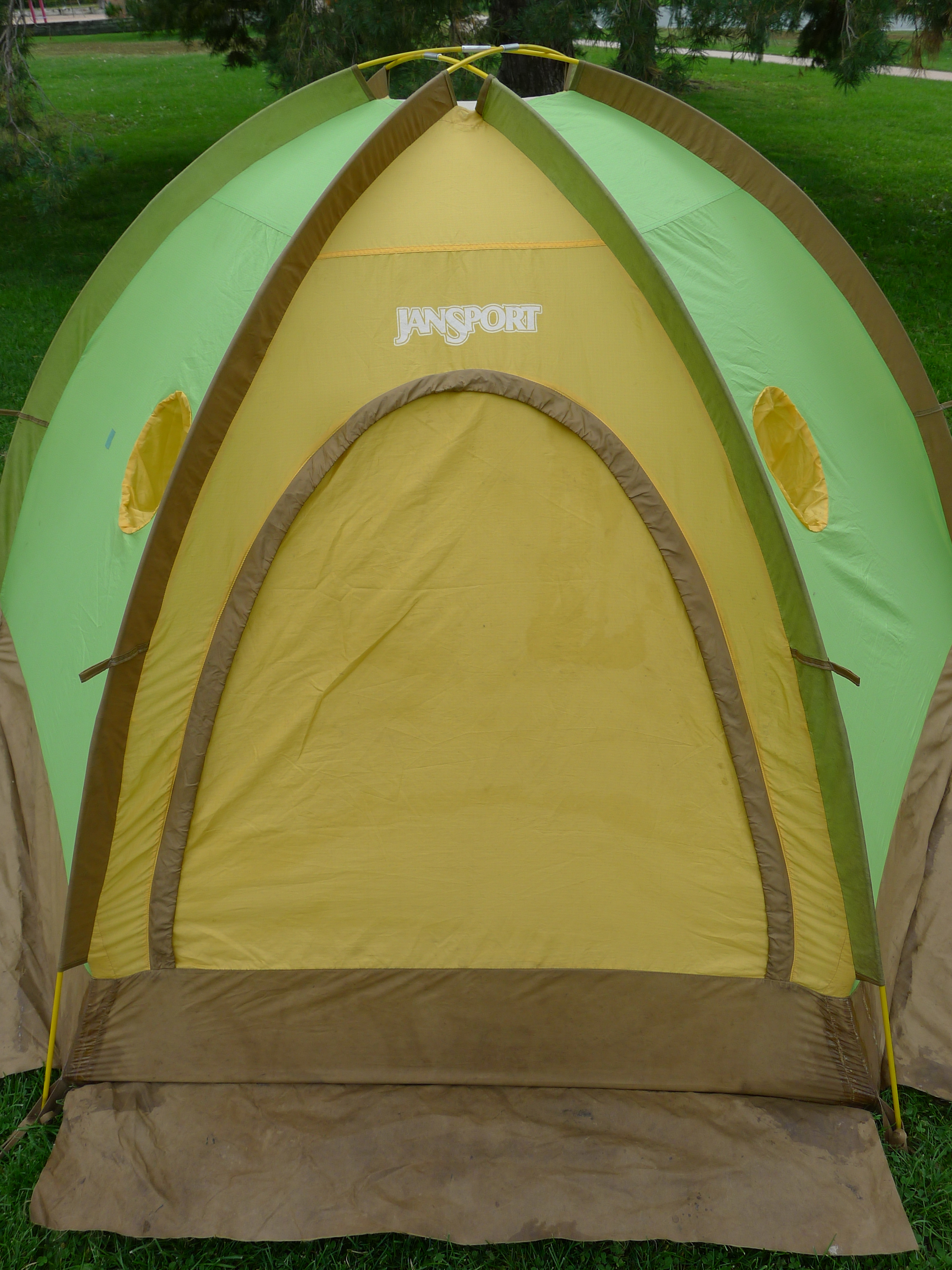
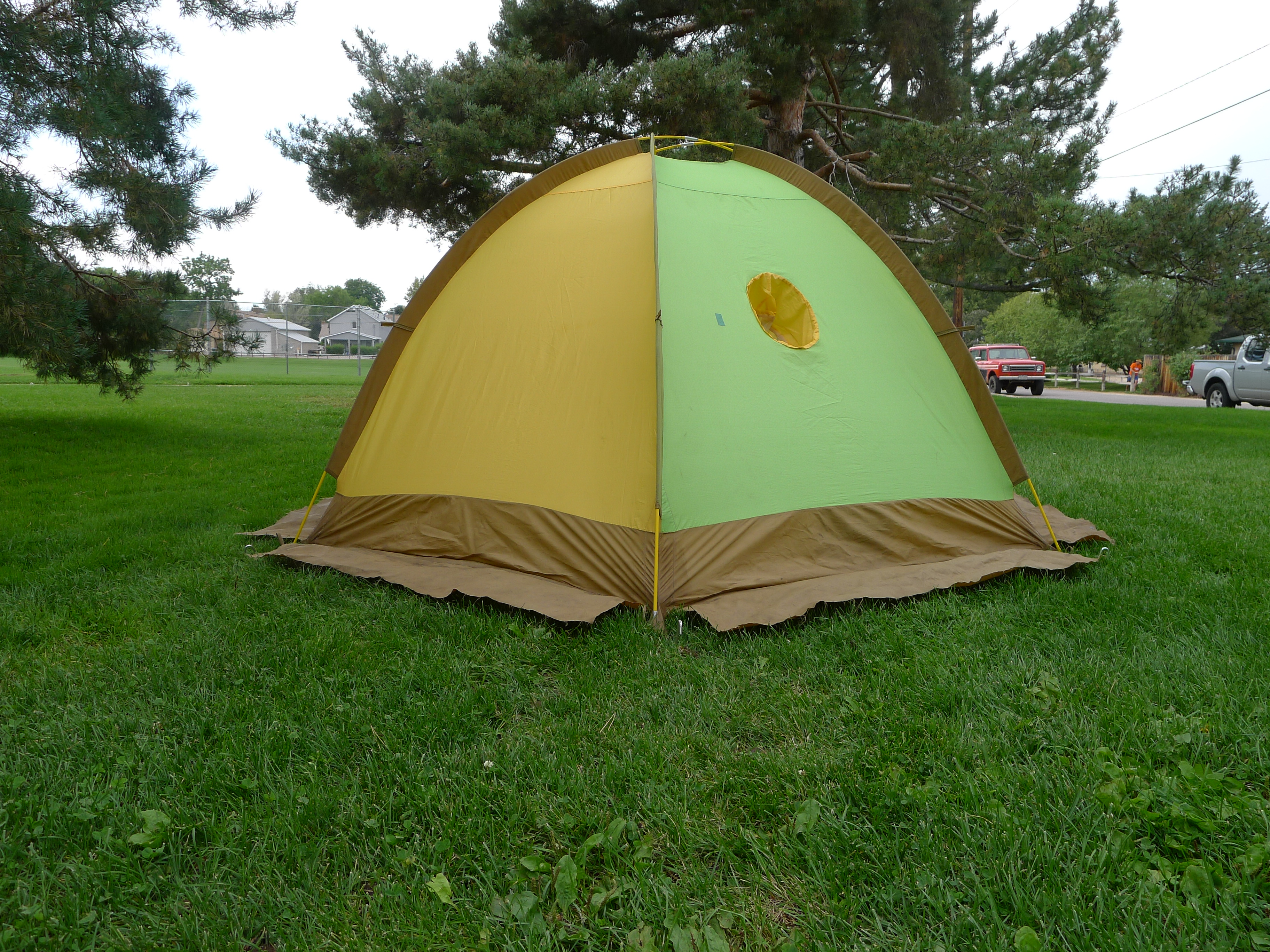
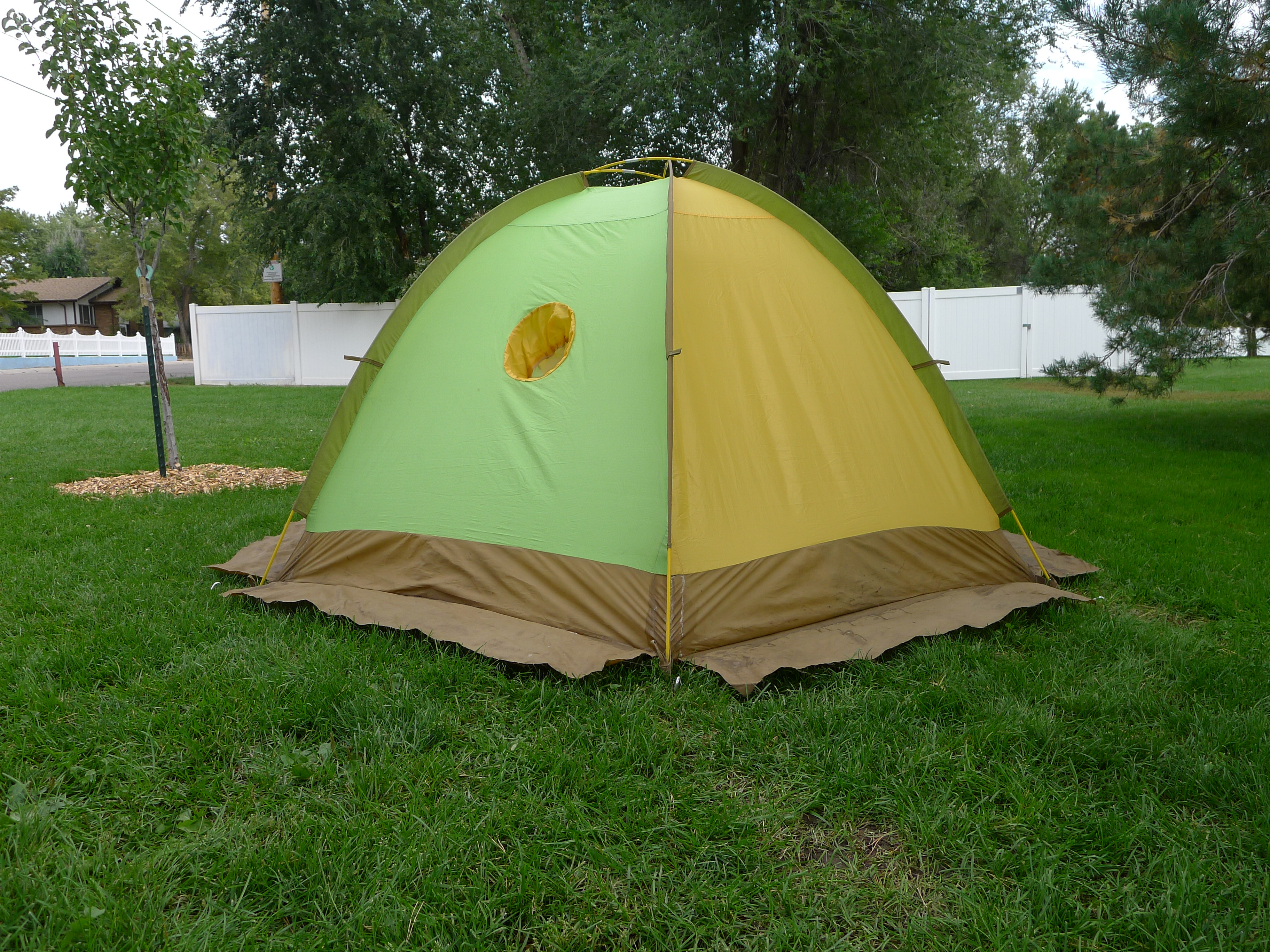
This is a Jansport Mountain Dome Tent. As I’ver read it’s the model used by the American assent on K2 in 1975. This early Geodesic tent has features making it befitting of an ascent on the second highest mountain in the world. Those features include an additional tunnel style door and vents. A full covering fly with cut outs for additional guy lines from the tent poles. Snow piled on the flaps around the bottom helped keep the tent anchored in extreme conditions. The poles are original and fit together in individual sections,there’s no shock cord connecting the segments of each of the three poles. The sections are made of a dense plastic or possibly fiber and resin material. I can imagine trying to fit them together, fumbling with them in a K2 basecamp, but they work.

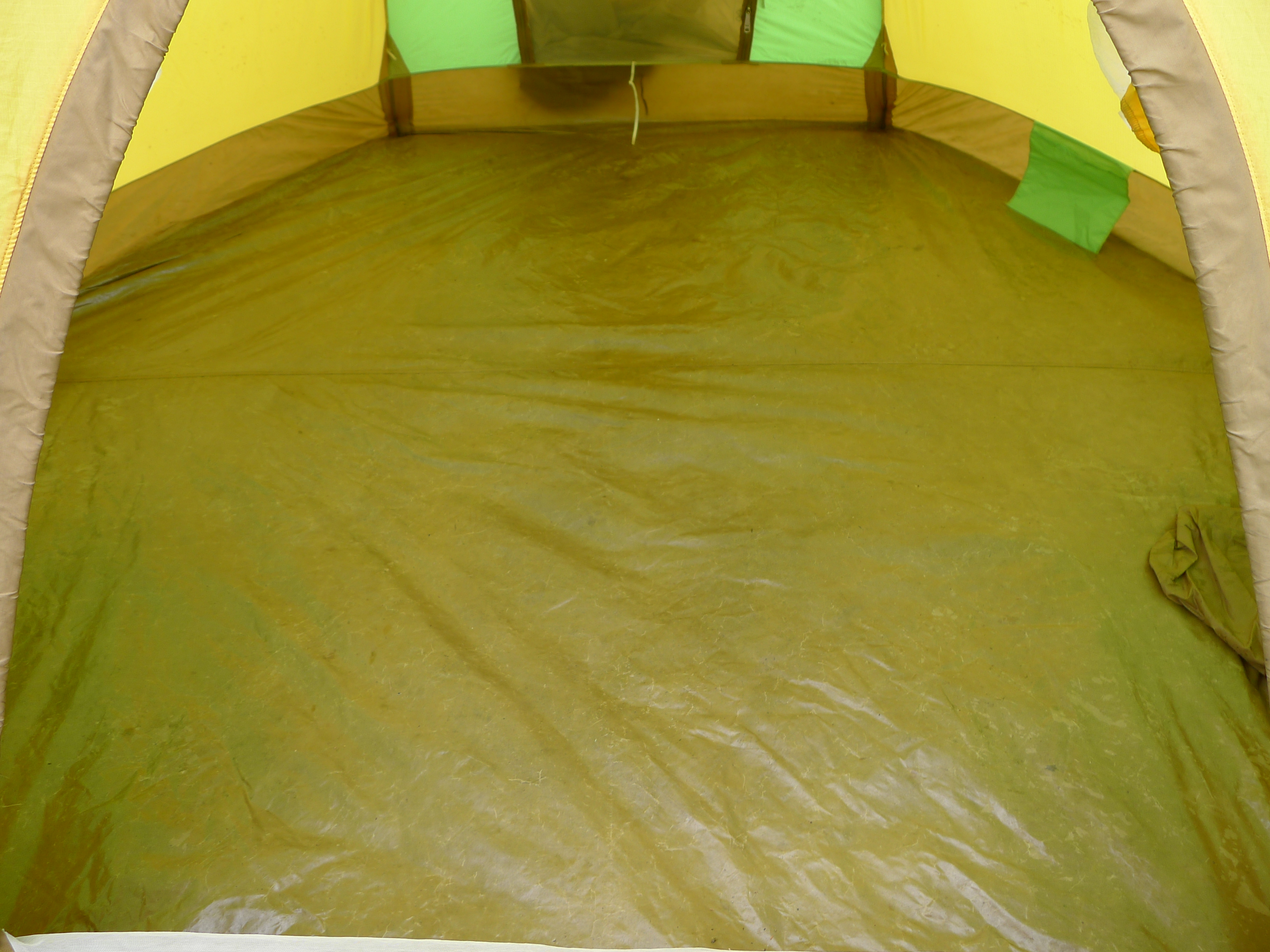
The tent is of course made from nylon. A fine ripstop version up top and a heavy coated nylon on the bottom. The thickness of the bottom would keep out melting snow and reduce the need for a ground cloth. The full fly is made of a tightly woven nylon to be water and wind resistant. The color block pattern is wild and right in line with early JanSport design and marketing.

Tent measures approximately 69″ inches across at its widest and 52″ tall at it’s tallest. I would classify it as a three-man, four-season tent. In total it weighs approximately 10lbs.

Vintage Red Wing Black Label Flannel Lined 9″ Hunting Boots model 04130

Vintage Red Wing 04130 Black Label Flannel lined 9" hunting boots

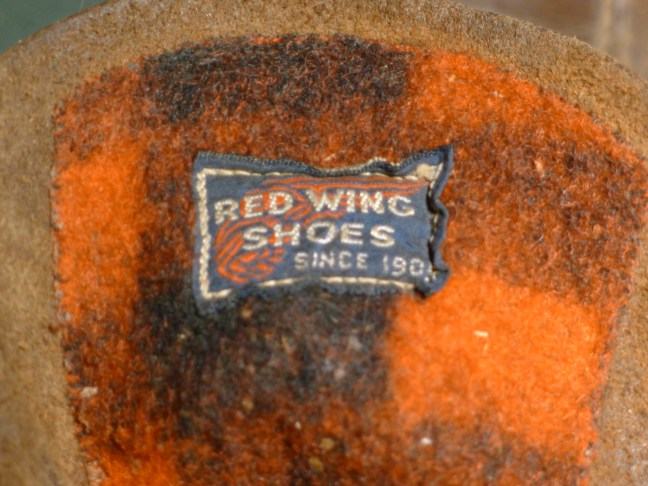
This is a pair of Red Wing  9″ hunting boots marked 04130.  The boot is similar to the 877 but has a different vamp construction and most likely predates that model. The boots date from the late 50s or 60s as denoted by the black  label in the right boot.

Lace-up is achieved via 12 eyelets and the boots are currently outfitted with leather laces which don’t look quite old enough to be original. The Du-Flex Cush-N-Crepe soles look period correct. Inside, the boots are fully lined with red and black buffalo check flannel. Yes, even the foot-bed is lined. The flannel feels like wool or a wool blend.

The top of the right boot is stamped RED WING. Tongues are stamped on the outside:

S (crest looks like a union label) 60
11 1/2 B 04130
202


Vintage ALP by Alpine Designs Heavy Down Sleeping Bag. 70″ Boulder, CO. USA

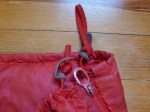
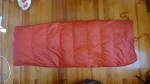
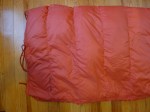
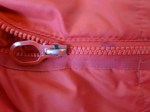
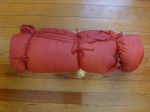
ALP by Alpine Designs followed the Alp Sport label, but predicated Alpine Designs in the company’s lineage. I’d estimate this bag to date from the mid to late 60s possibly into the early 70s. The Bag is constructed of nylon and down fill. Unlike many other bags of the latter era this is not a “Mummy Bag”. There’s no built-in hood, though there is a draw string around the top to seal in heat. The draw would be held closed by the leather tabs. This suggests the bag predates innovations such as the cord lock and the popularity of the mummy bag. The bag also has ties at the top to hold the bag when rolled, so it doesn’t come with a stuff sack. It could however be transported in that manner for safer keeping. 

The bag measures 70″ long and 28″ across at the top. Above he ALP label is a personalized name tag, indicating its former owner was a female. The last name, Pollard is also stenciled on the outside back of the bag. 
 
There’s no tag giving down fill left. The bag weighs 3+ pounds and the fill is still very much puffy. Over 6″ thick when zipped. I’d say the bag would be easily good down to low double digits, possibly single. 

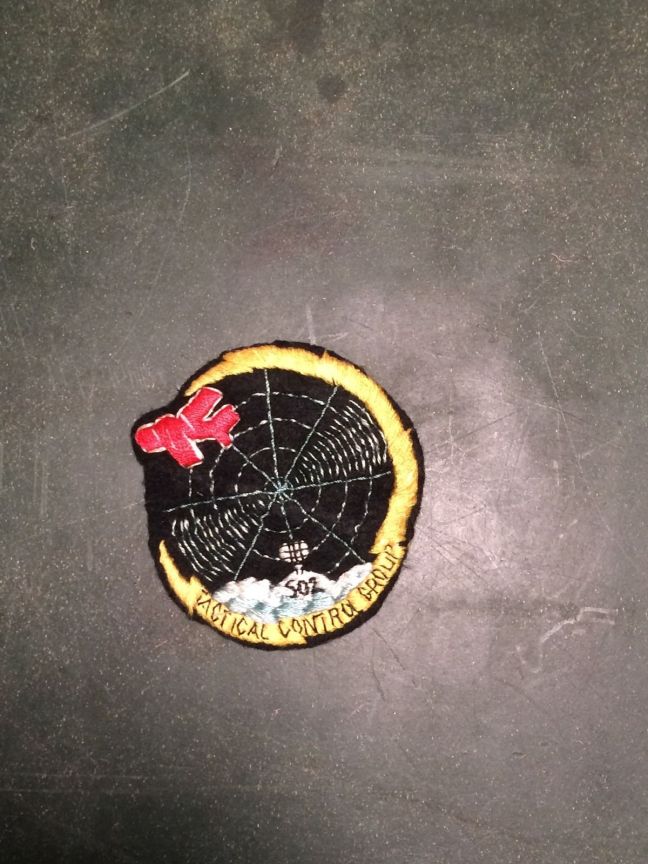
Korean War Era 502nd Tactical Control Group Patch. USAF – Handmade

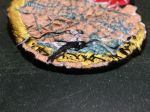
If you’re looking at this you probably know more about it than I do. From my end, here’s what I can tell you. I came across this particular item in a lot of vintage patches. The patch is definitely hand sewn per the looks of the back. Some details look different from other examples I’ve seen, namely the color of the 502 as well as radar wave details.

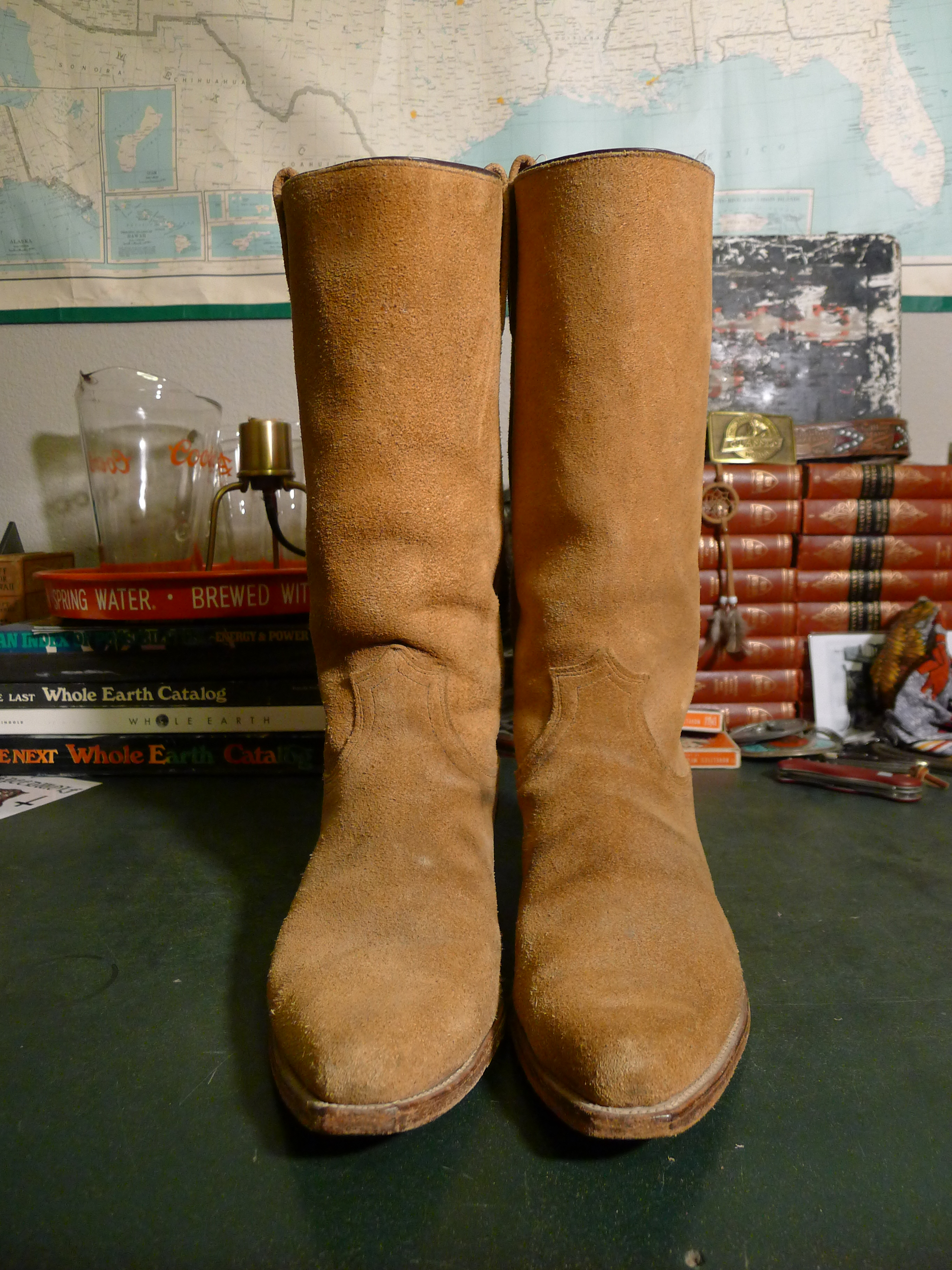
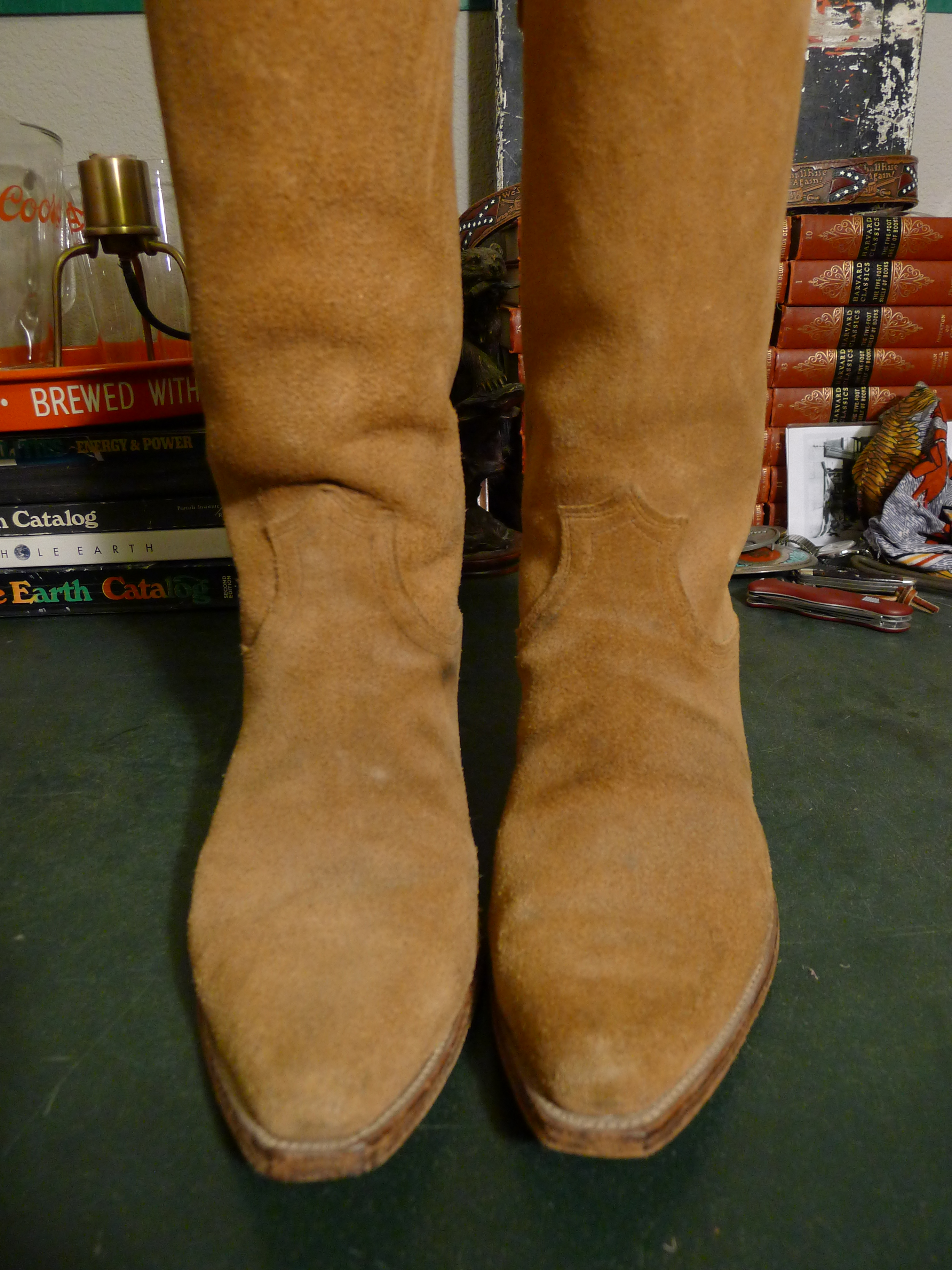
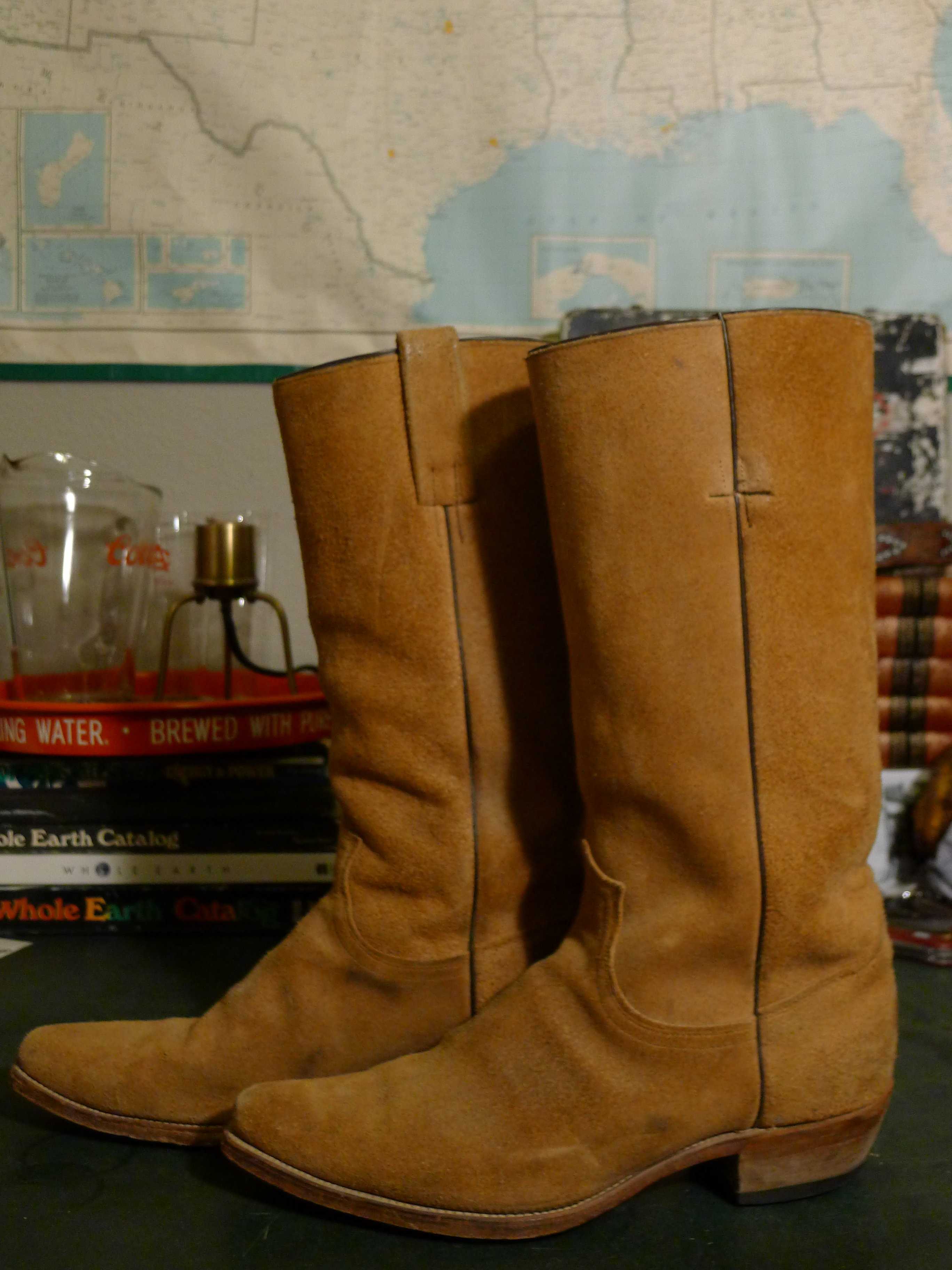
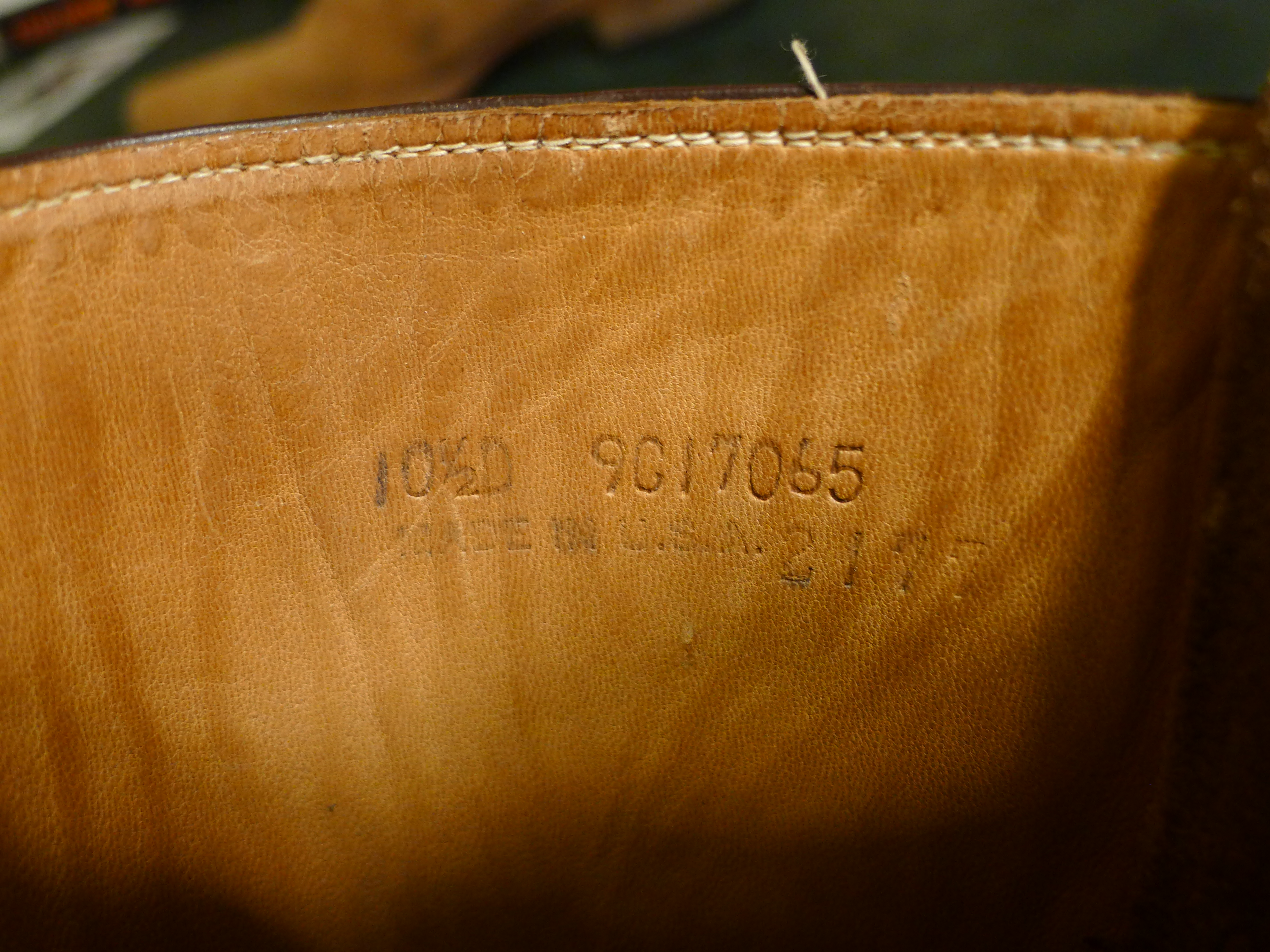
Frye Model 2177 Western Boots

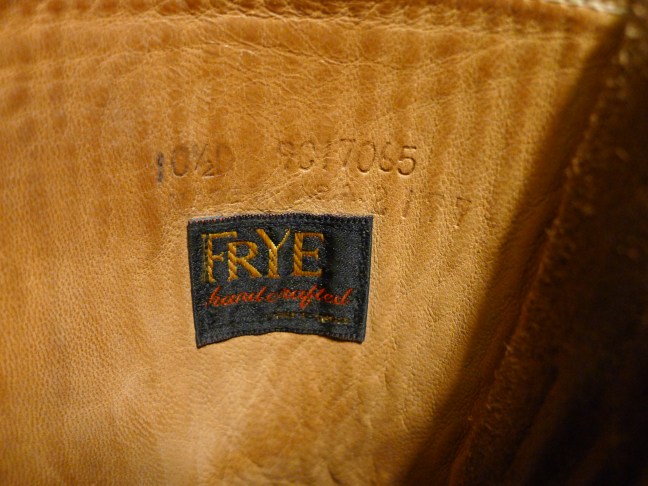
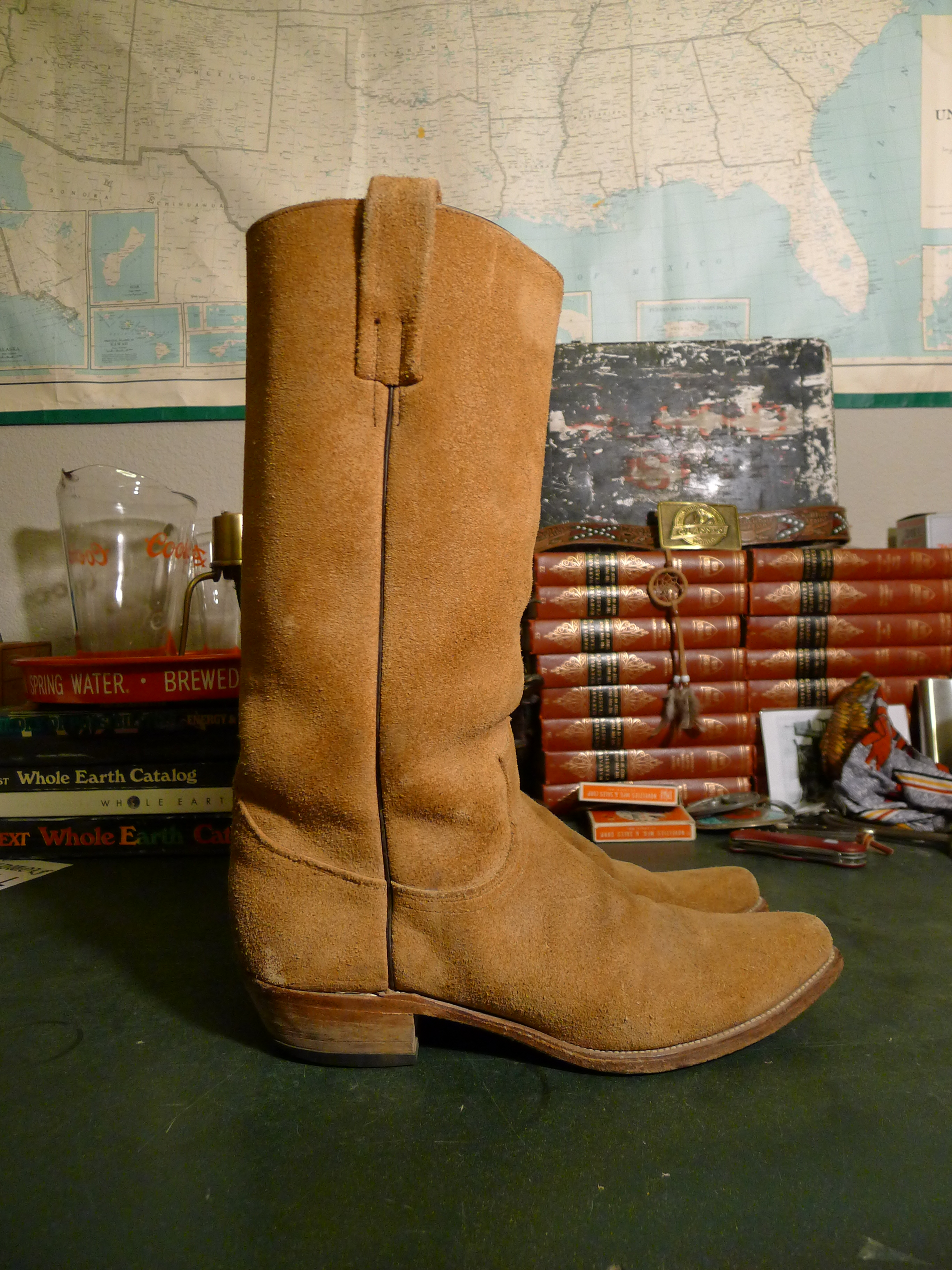
This is a fairly unique pair of Frye  western boots. The Black Label inside the right shaft dates them to the 1970s and produced at the company’s Marlborough Massachusetts facility.  The boots are quality constructed of thick split grain leather brushed just shy of a suede texture. Stacked leather heel with black rubber grip and leather sole. Ornate details are slight, there is a dark piping that runs up the sides of the boot and around the top. Unlike the Campus boot one often sees from Frye in this era, these boots have the narrow point toe and an angled, shorter leather heel. Like the campus boots these have the leather lined shaft and cloth lined vamp, leather foot bed and reinforcement in the back of the shaft to reduce pull-on wear.

Bell Helmets USA Super Magnum 3/4 Helmet – 1975

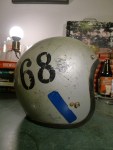
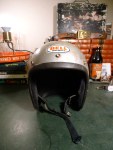
Here is one heavily worn 1975 Bell Super Magnum three-quarter helmet. From what I can tell the Super Magnum is just a later variant of Bell’s original three-quarter helmet the 500-TX. In comparing helmets it seems the Super Magnum has a bit deeper of a side cut for better peripheral and probably had some updated safety features in the construction. This helmet does not feature any of the Toptex markings found on older Bell-Toptex helmets of the 1960s.

The Super Magnum is  DOT and SHCA approved. This particular helmet would not be approved for much of anything safety related, except maybe taking a beer bottle over the head around a campfire.
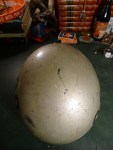
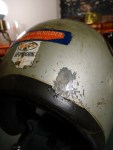
This helmet has had some aftermarket stickers added, possibly by someone who raced in it at some point. 68 on both sides, blue reflective strips near the jaw line, and a Honda of Boulder, Colorado sticker on the back along with the original Bell front sticker and Super Magnum back. You can probably see from the pictures (and please examine them closely) this things been kicked around, banged on stuff, possibly crashed. On the riders left hand side, near the 6 the 8 and trailing off to the back there’s a series of three small chips that make it down to the foam core. Most other chips are just through the paint. On the back to the right of the Bell sticker there’s a patch of wear that looks like it was caused by some serious friction, like that of a tire. Inside all the soft protective foam is missing. The chin straps still hold tight, but the vinyl covering them is cracked and ratty. Marking on the strap is 7-75.

Currently available on the BCV eBay Store


1960s Bell Toptex Shorty Motorcycle Helmet – White with Silver Metal Flake

The Bell -Toptex Shorty helmet debuted in the early 1960s and was popular among motorcyclist through the end of the decade. the low profile and light nature made it a perfect helmet for roaming the cities and country roads on Triumphs, Harleys and small displacement UJMs. The helmet was Snell Memorial Foundation approved, predating DOT ratings and was very similar in style to the Buco Guardian helmets of that day. The shell extends down to about the top of the ear and a vinyl collar in connection with the chin strap secure and protect the rider from excessive wind. A variety of visors and shields were available for the front.

Still trying to figure out the role of “Toptex” in Bell helmets of this era. Originally I figured Toptex simply referred to a shell material, but in patent documents, it seems the name of the company was actually named Bell-Toptex. It seems that in the 70s the company dropped Toptex from the name and or shell material.