Frye Black Label 2550 Campus Boot in Black

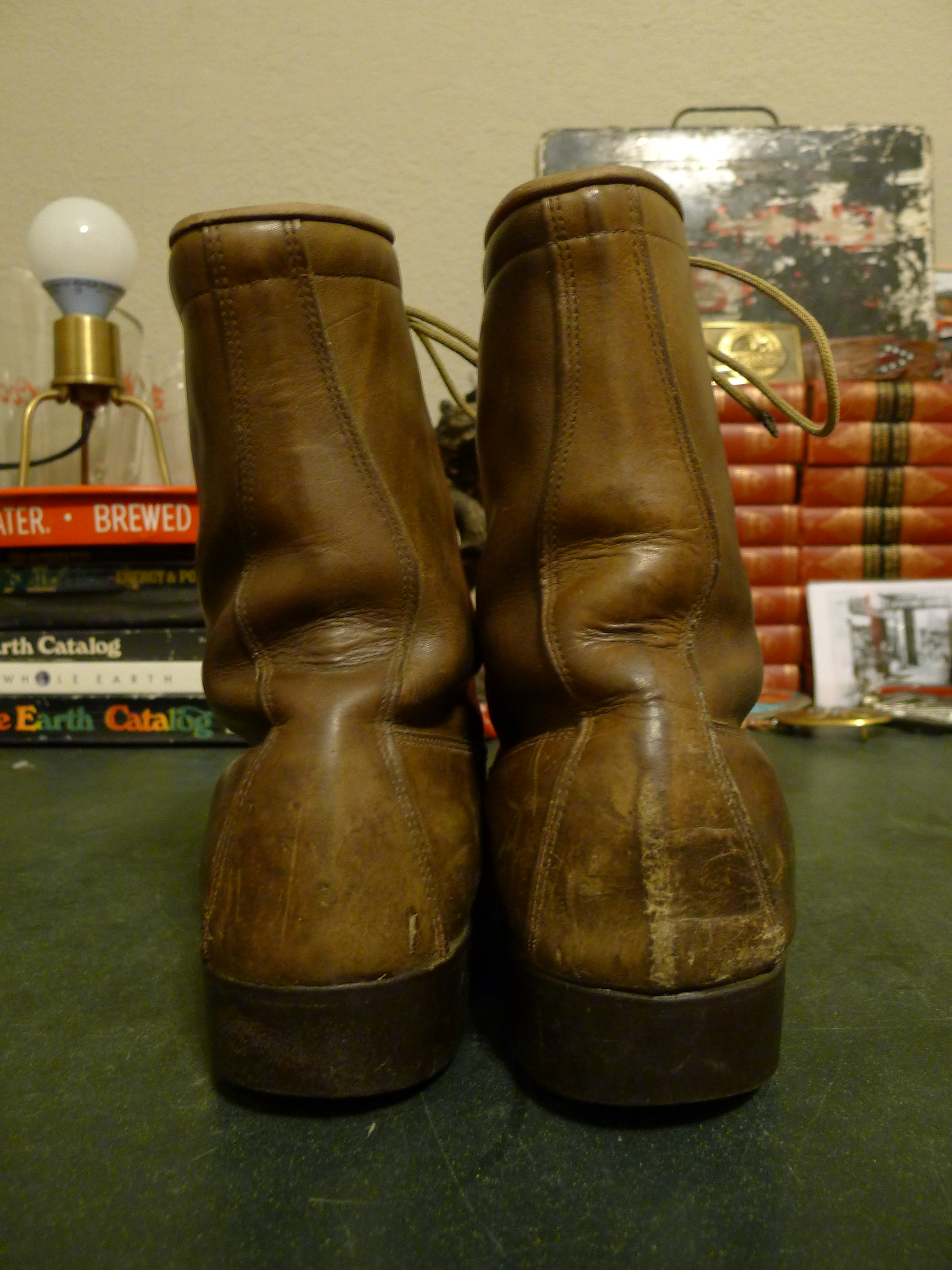
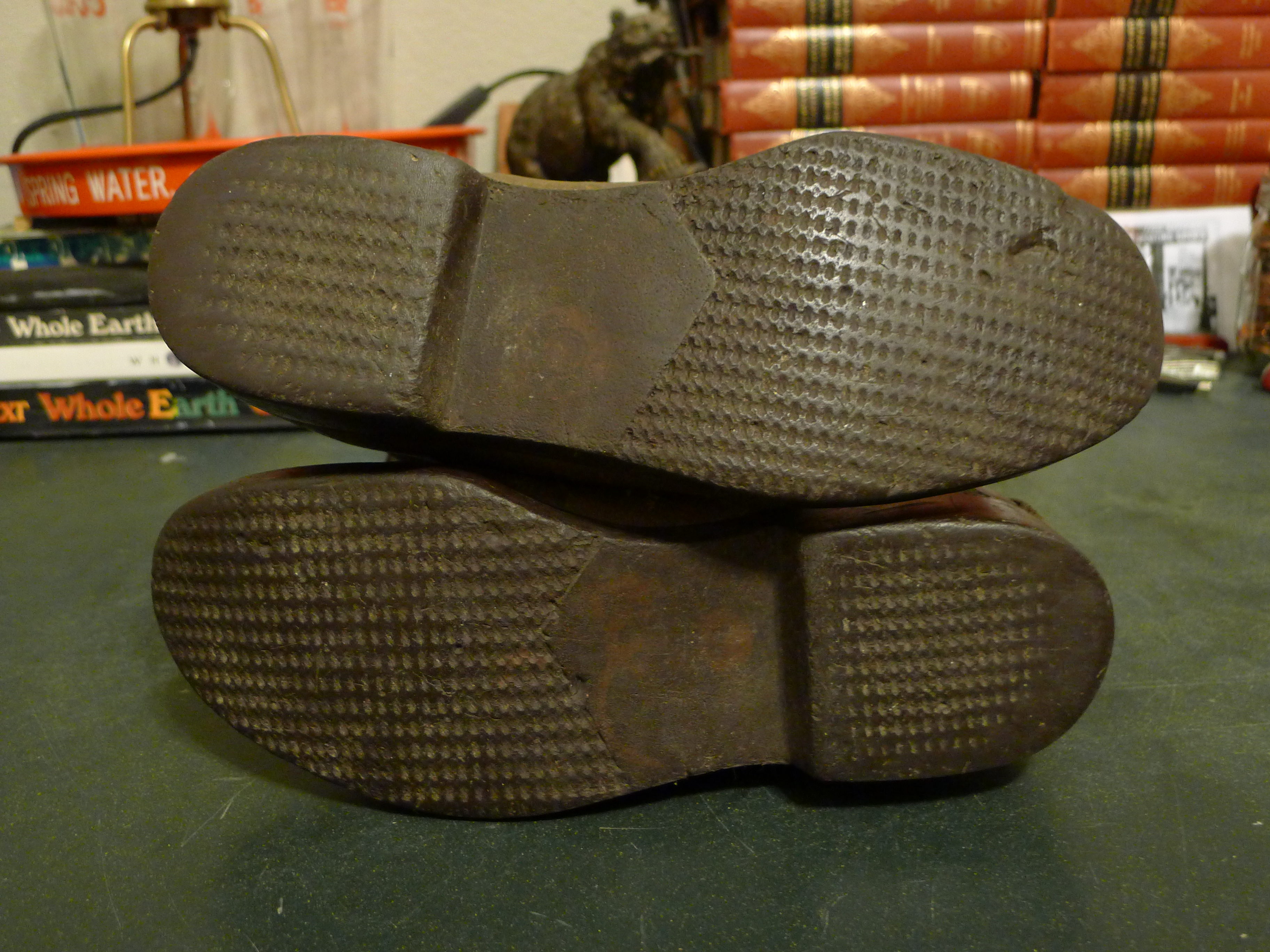
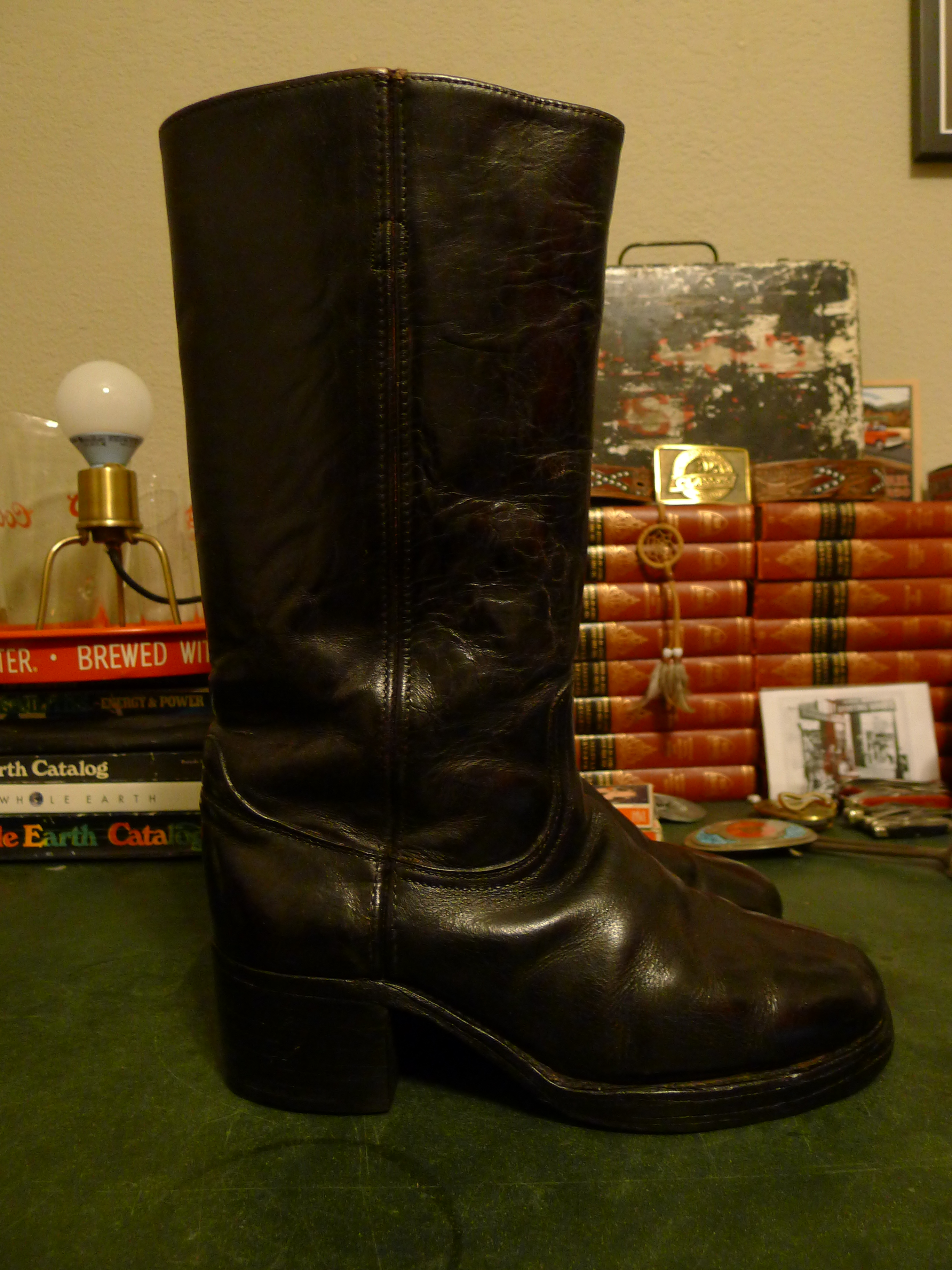
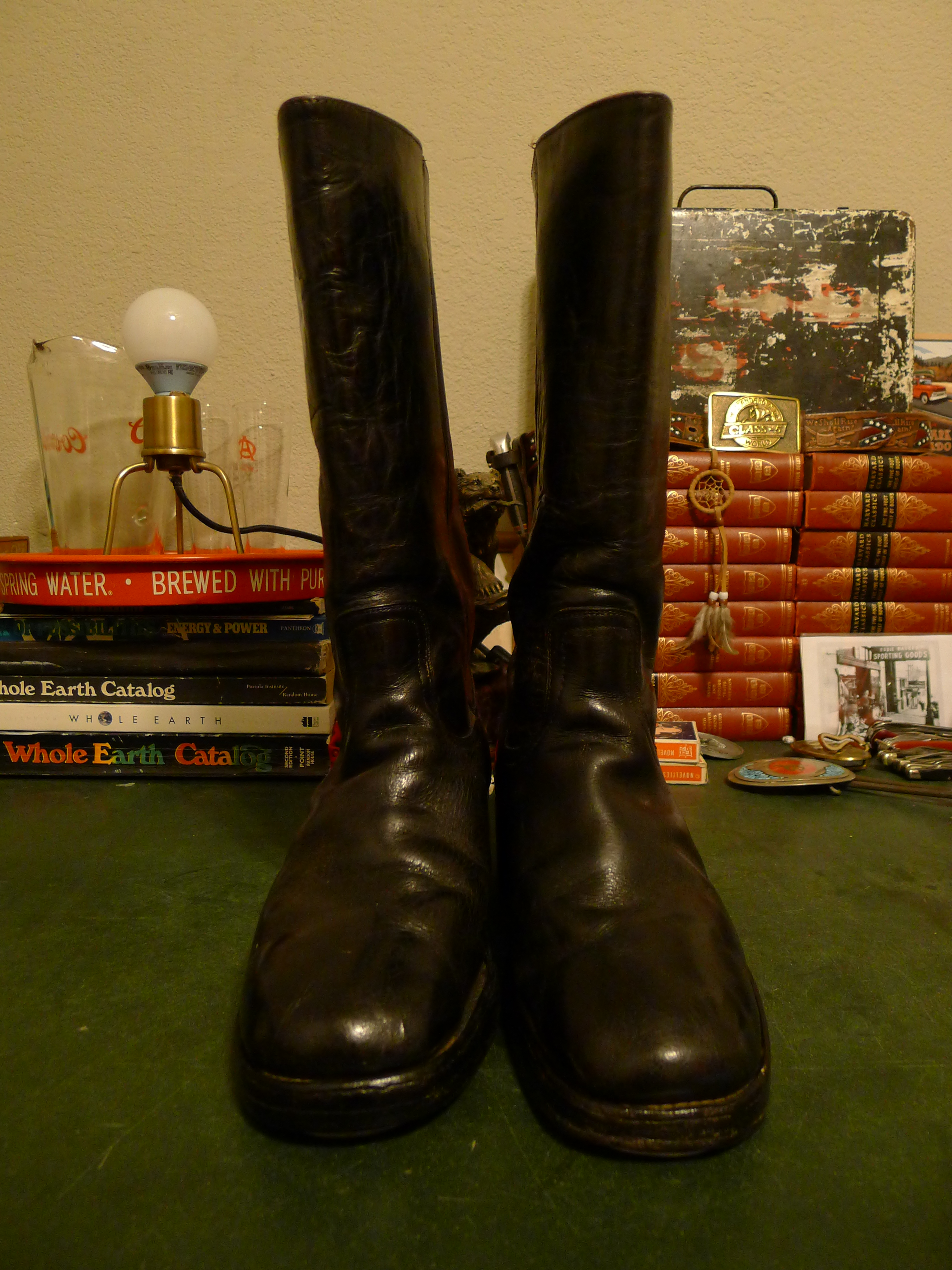
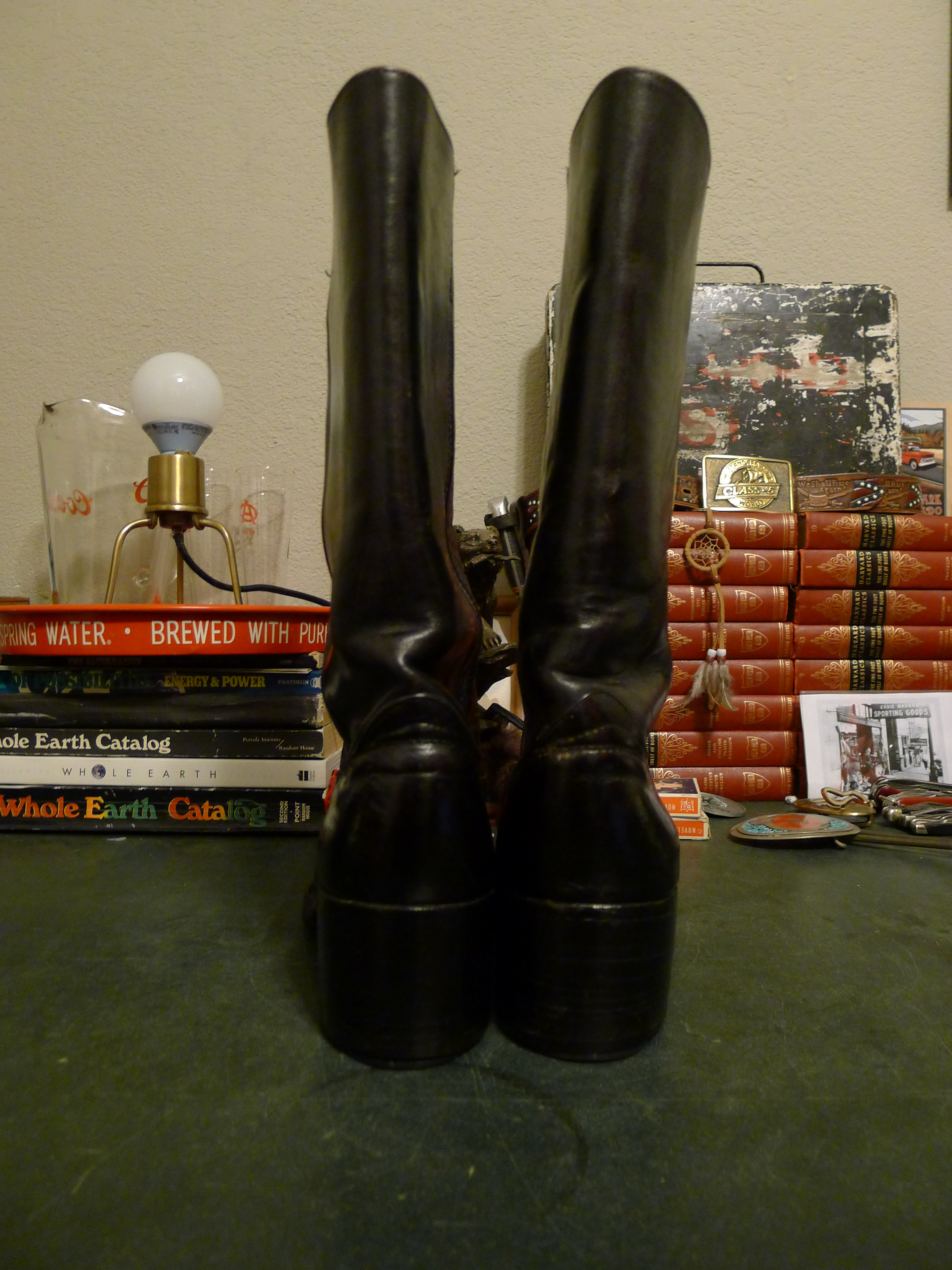
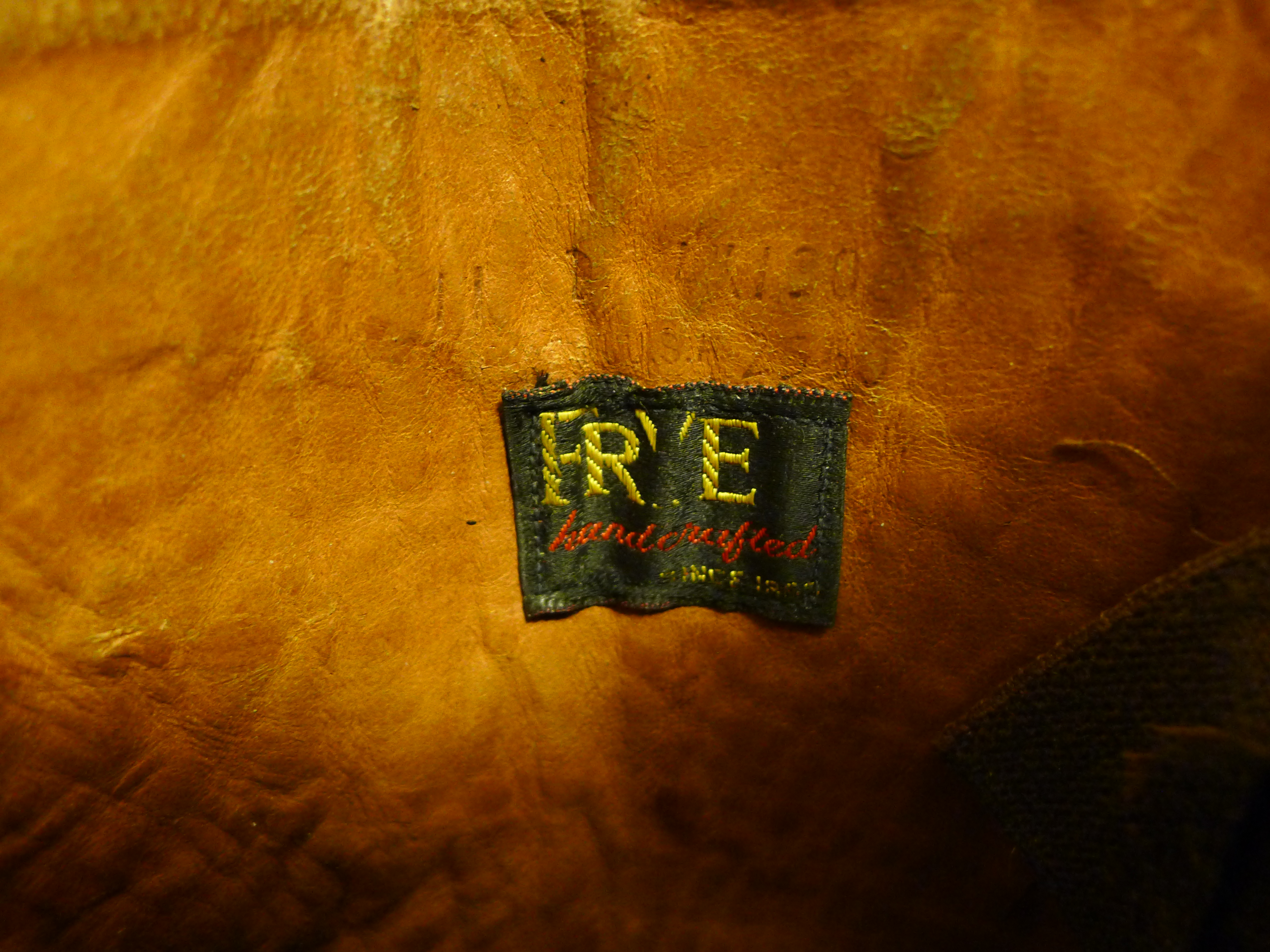
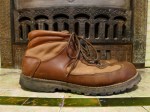
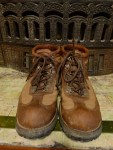
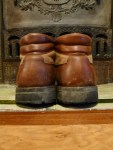
This is one beautiful pair of Frye Campus Boots in black.  This particular style of boot is indicative of the traditional campus cut popularized in the 60s and 70s.  The original Frye Black Label (black being the main color of the logo stitched in the right boot) verifies their authenticity. Around 1979 the black label was discontinued and a white label was introduced. At this time Frye also started embossing the logo on the outside heel of the boot.

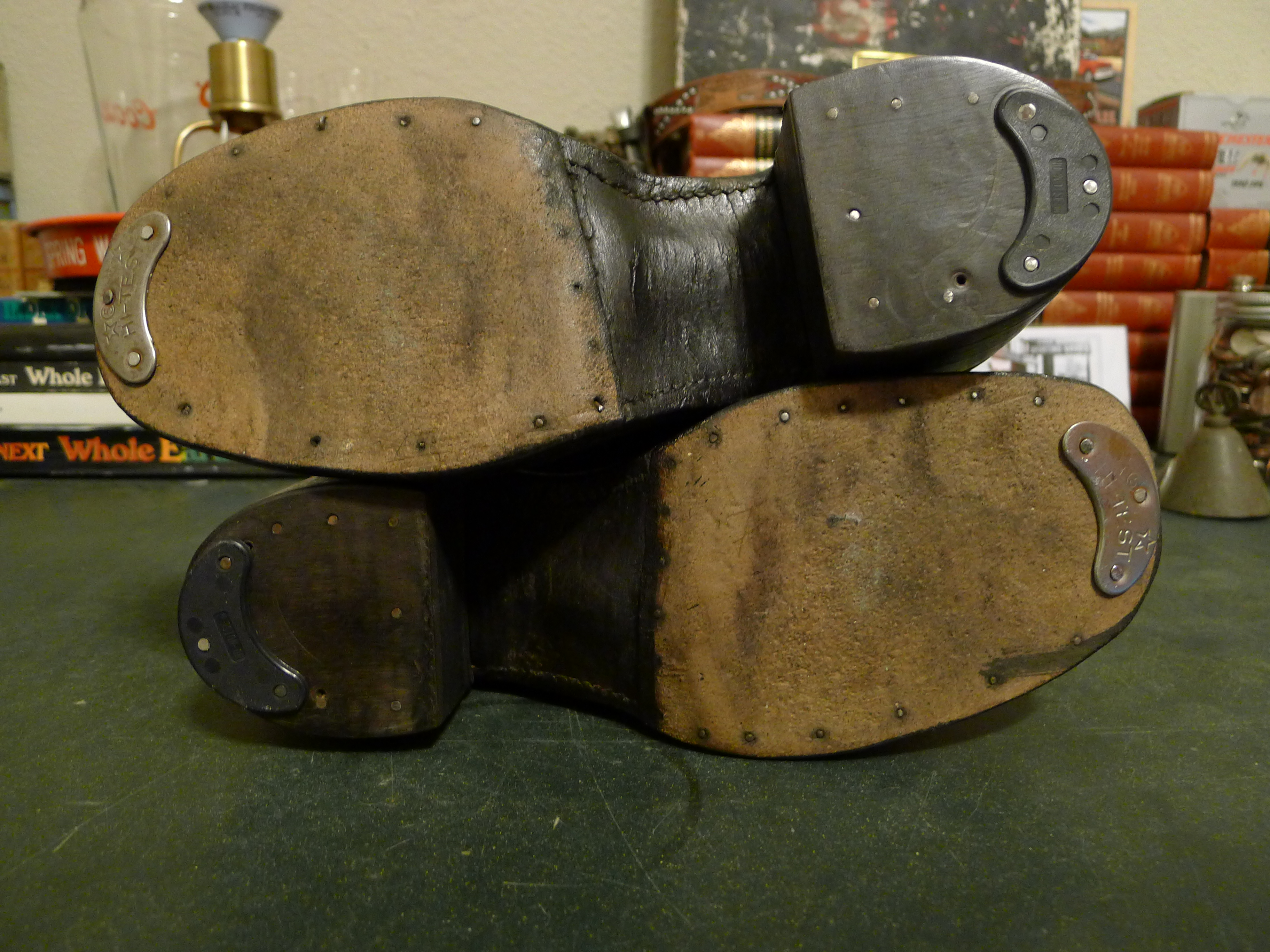
The “Campus” style is a take on a traditional western style boot but with a blunt, rounded toe, thick sole and block heel. These boots are usually seen with lighter, banana or medium brown uppers with natural leather soles and heels. This particular boot is midnight black top to bottom, but maintains the natural undyed leather inside. In my researching these boots I found that the 2550 was show as ‘hand stained brown’ in an old Frye ad. I have no knowledge of whether that leather color may have varied in the model number 2550, but given that all other colors of the boot are assigned their own number, It is quite likely that these boots started their life as brown boots and were later dyed, or by some other means made black.

13.5″ shaft
2.25″ heel

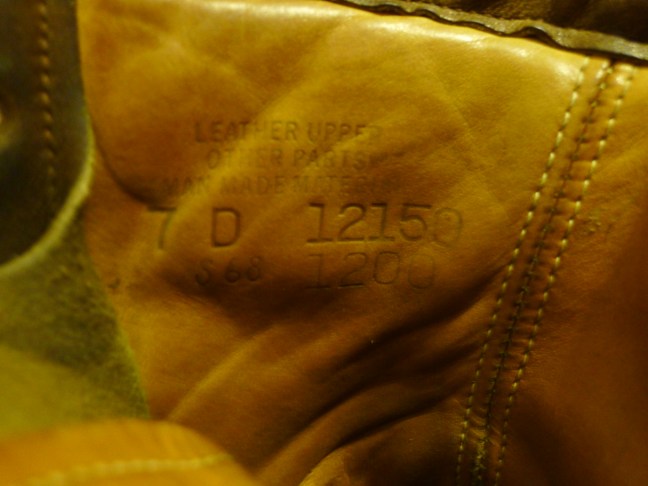
Inside Markings:
11 D 4K13068
Made in the USA

These boots are currently available on the BCV eBay store

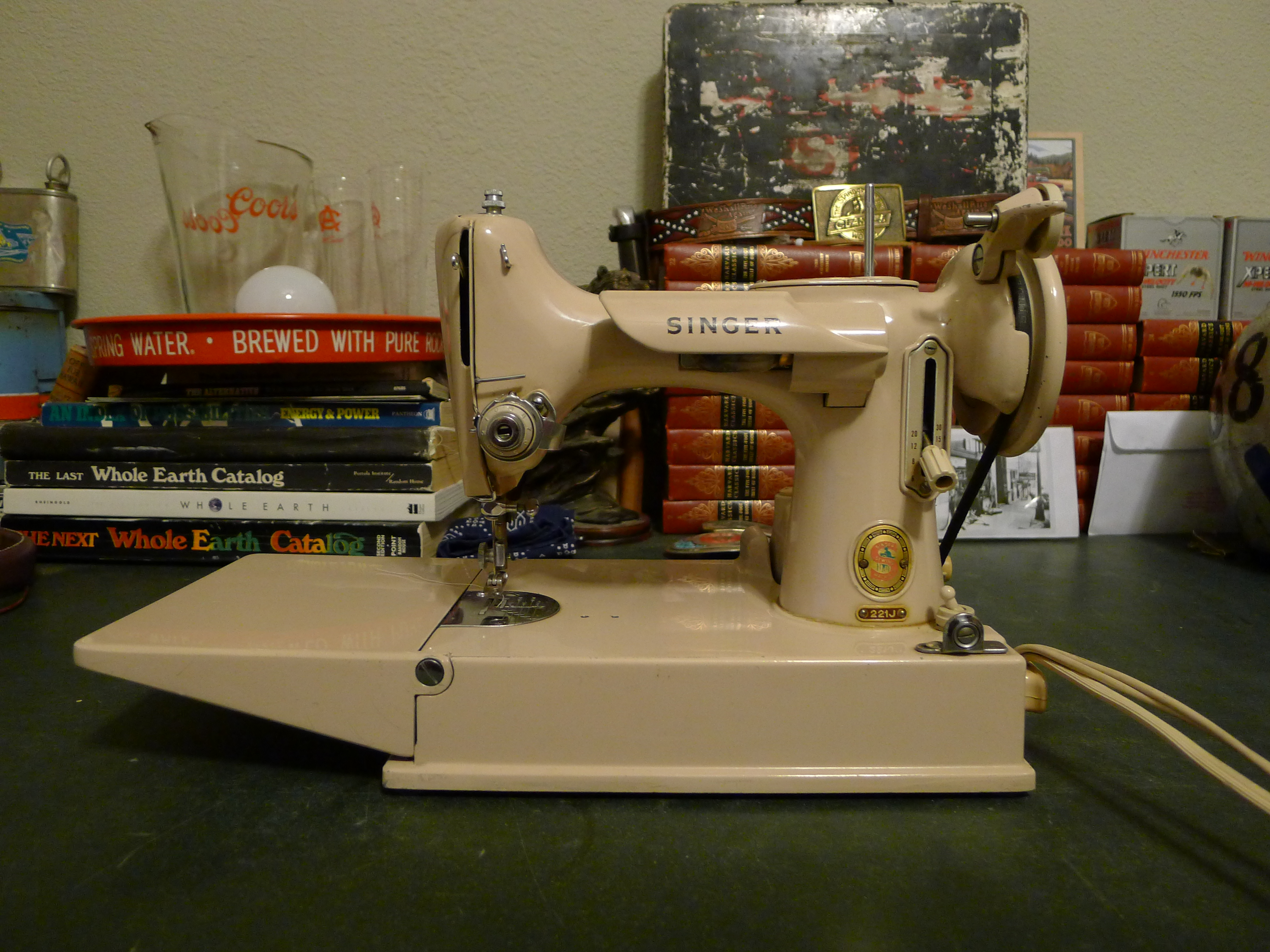
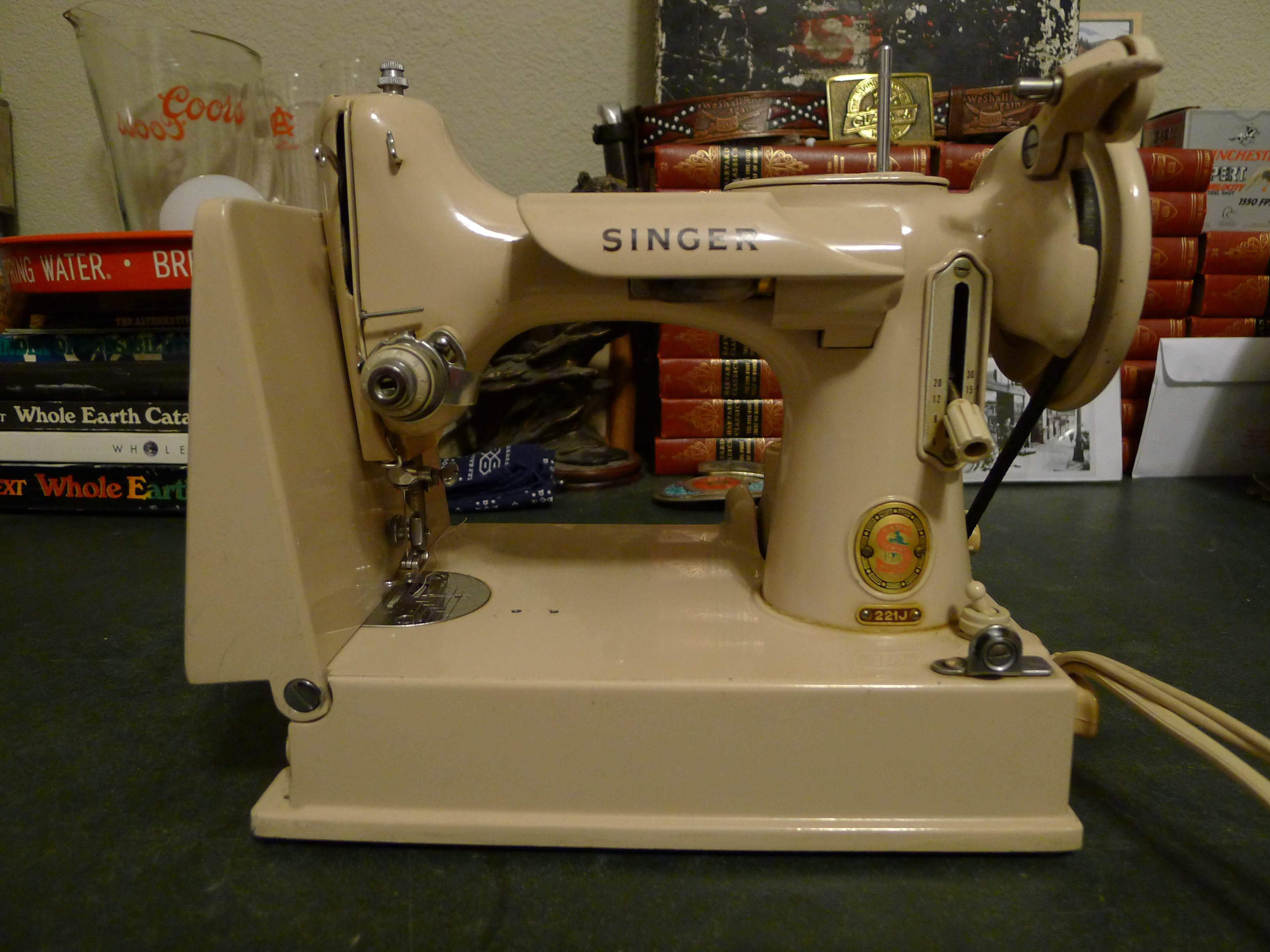
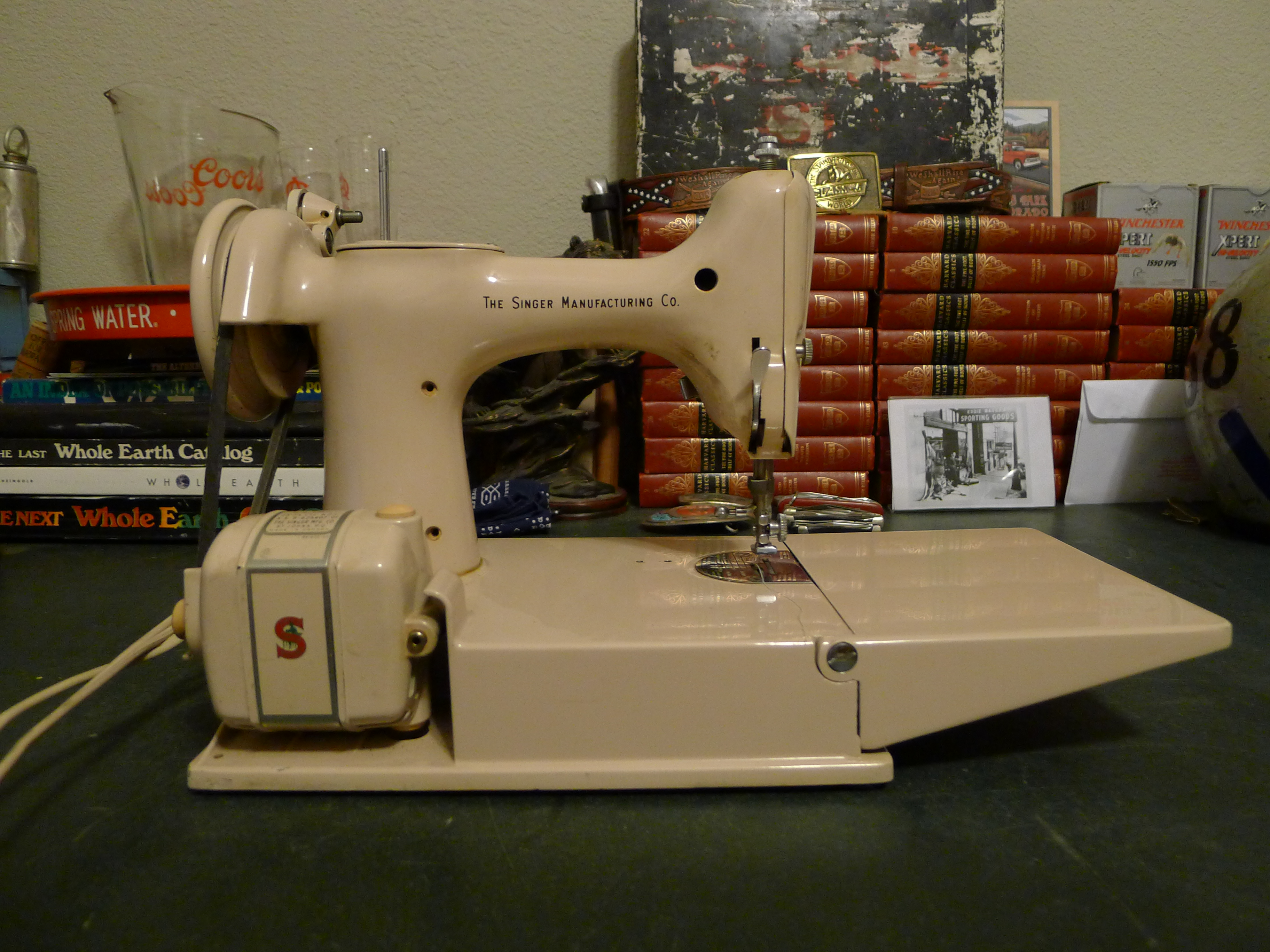
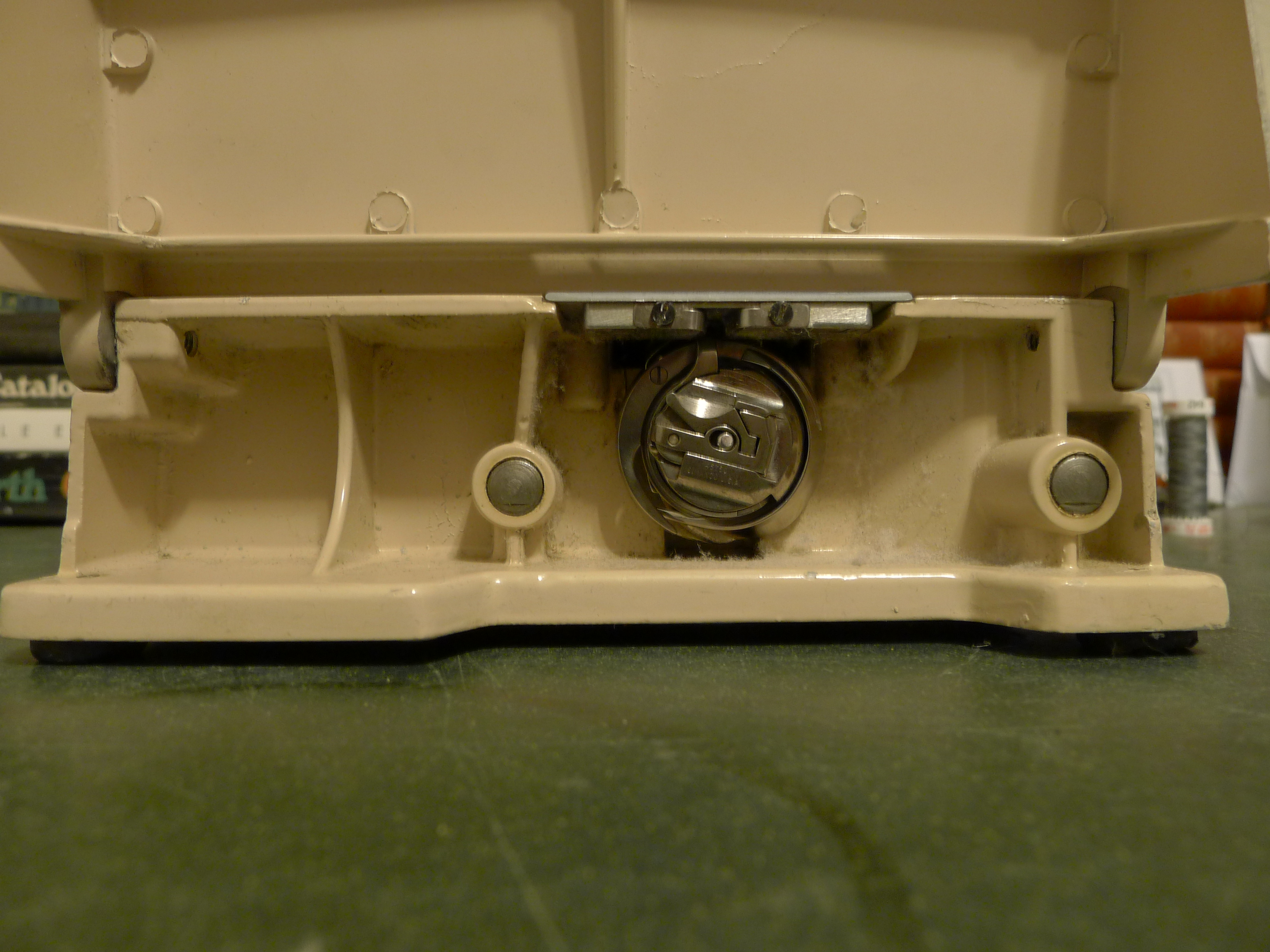
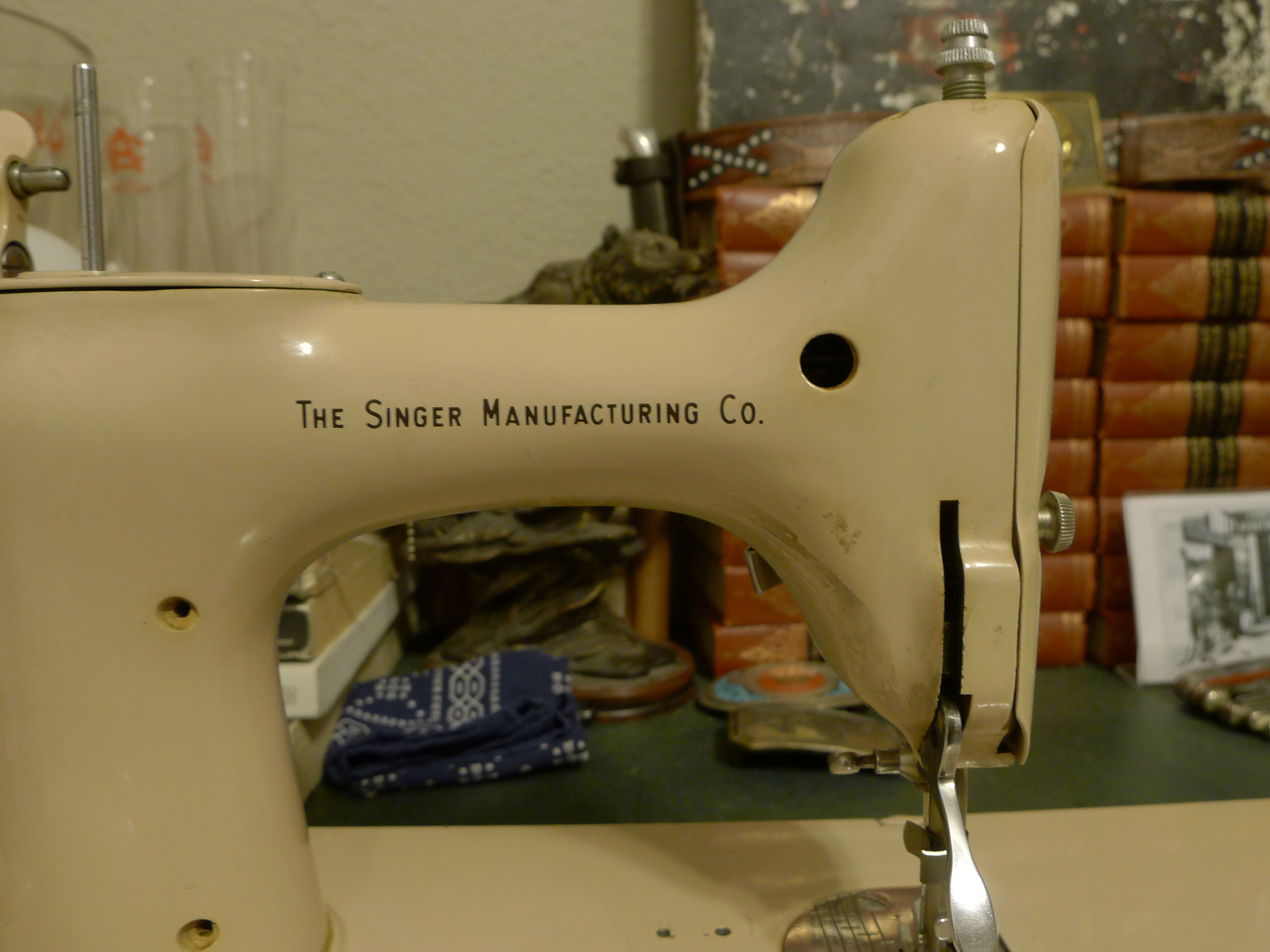
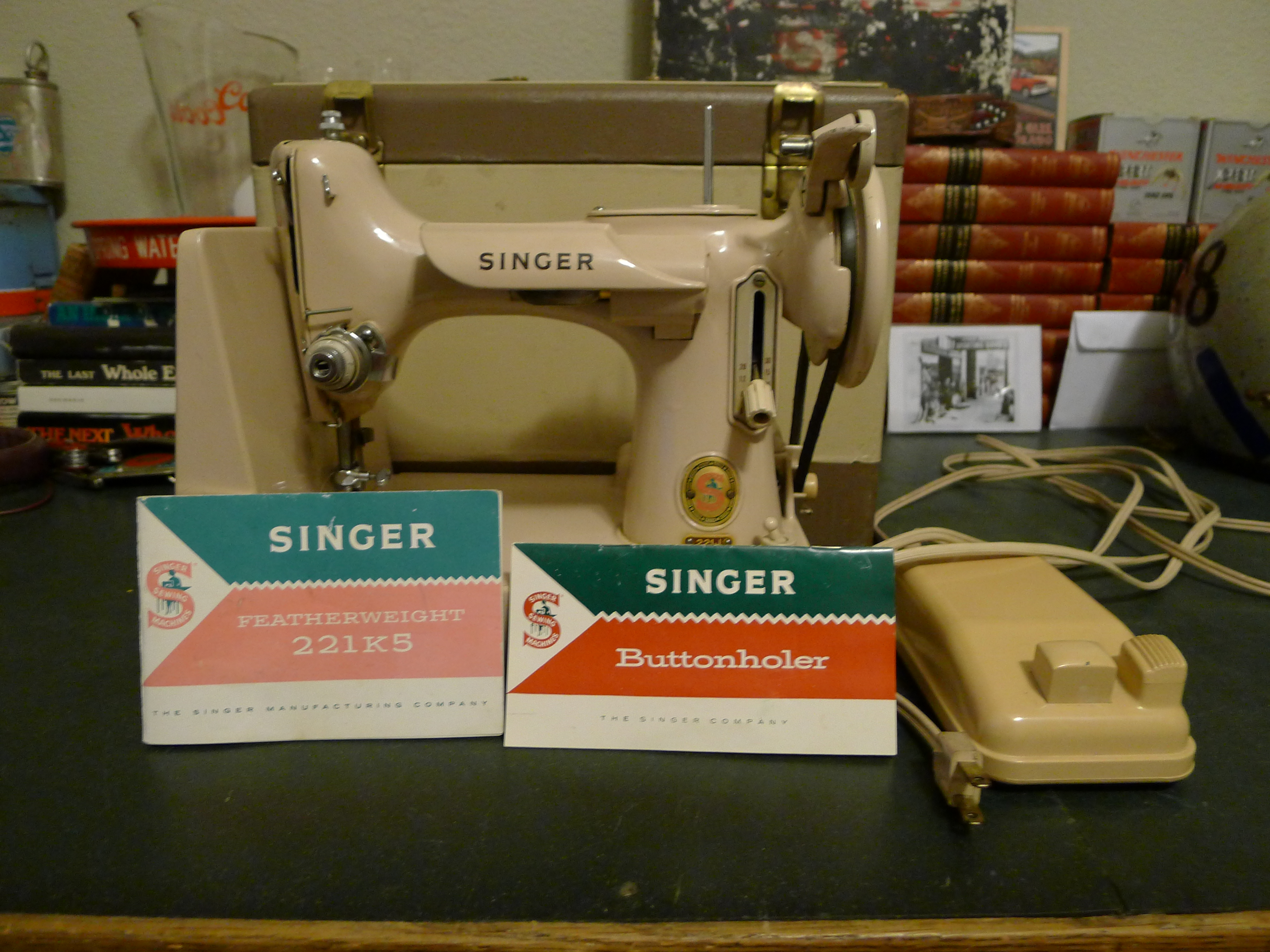
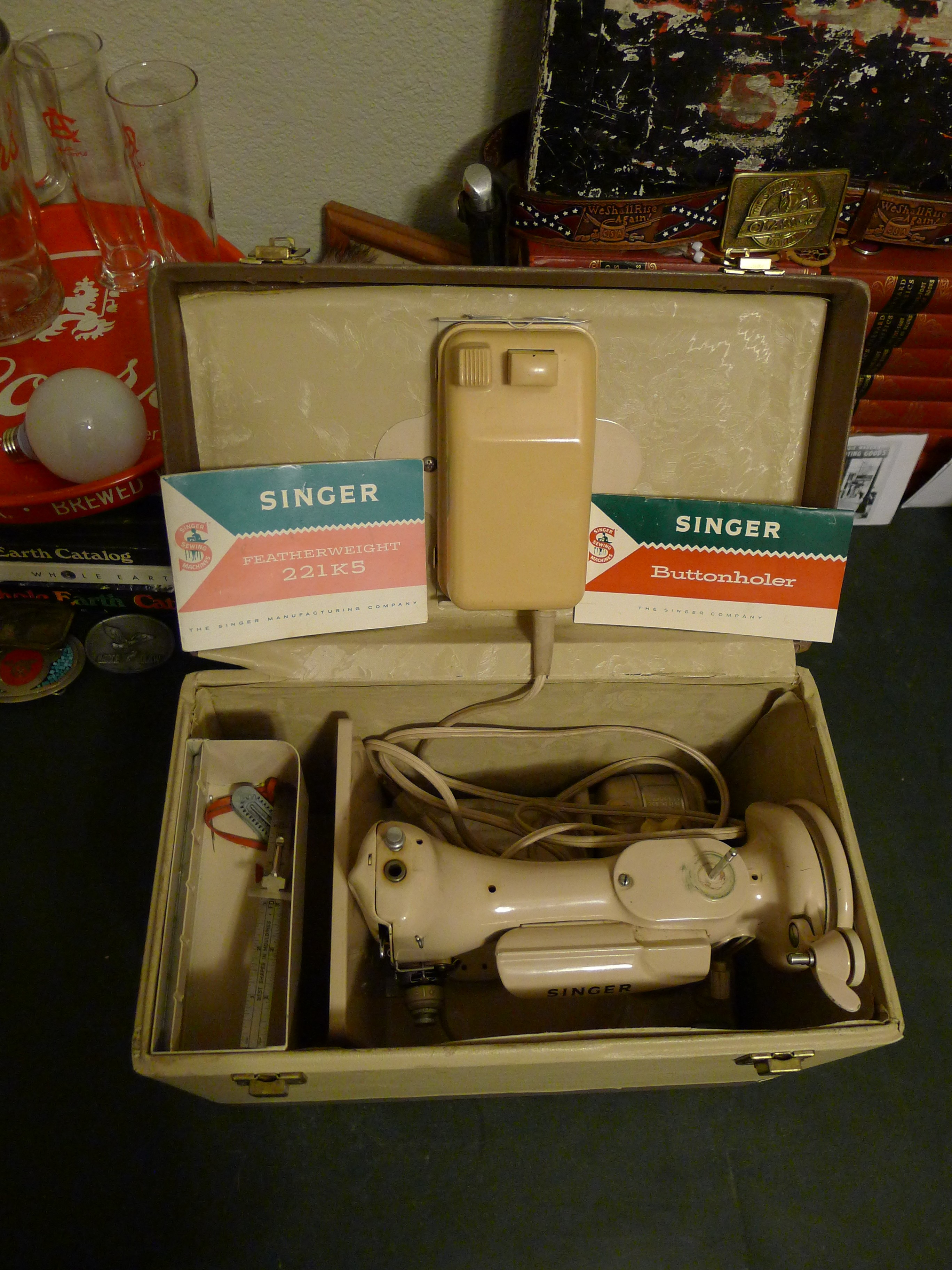
Singer Featherweight Travel Sewing Machine Model 221J

This is a Singer featherweight model # 221J made in St Johns, Canada 1961. Serial # JE154076.  Numbers starting with JE were among the last to come from the St. Johns factory which operated from 1904 – the early 1960s. There’s a myriad of history and information on the web around these machines as they’re highly prized and collected. As far as I could tell the 221J is a version of the 221K, the third iteration of the machine.  221 were and still are prized for having the capabilities of a full size machine, including attachments, in a relatively light and compact piece. Traveling seamstresses, club quilters and collectors still covet these machines today. I am not a sewing machine expert, but  know enough from growing up with a mom who sewed everything to thread and run this machine. It threads much the same as larger, later model Singers.

Danner 30520 Hiking Boots

Danner 30520 Leather Mountain Light Vintage Boots

These older Danner 30520 hiking boots are the bases for what is now known as the Mountain Light 30876. Though not called the mountain light, this version was made significantly lighter than the previous 6490 version primarily from the move to a Gore-tex lining and lighter sole material. Danner was an early adopter of the revolutionary Gore-TEX fabric which made its entrance into outdoor market in the mid 70s. A similar boots marked 3052 was also made, I’ve not yet determined what the extra 0 found here denotes
Much the same as the current Mountain Light these boots feature:

GORE-TEX lining
Vibram Soles
5 D-rings, 2 hook lace-up
Danner tri-fold tongue
5″ shaft
Are Made in the USA and Recraftable

Tongue Markings:
10 D 30520 23A233
Danner

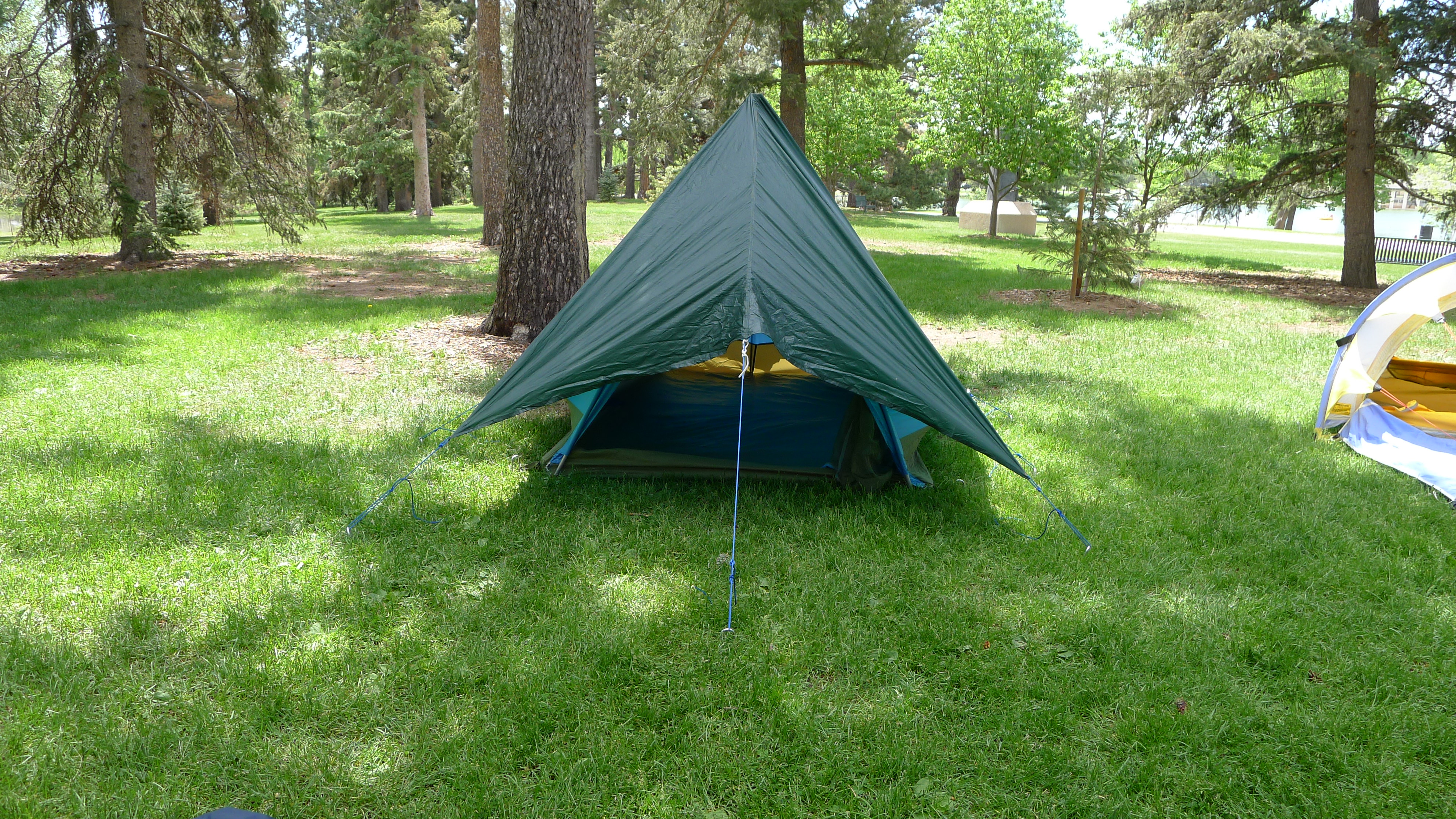
Cari-Kit Two Man Backpacking tent – early 1970s

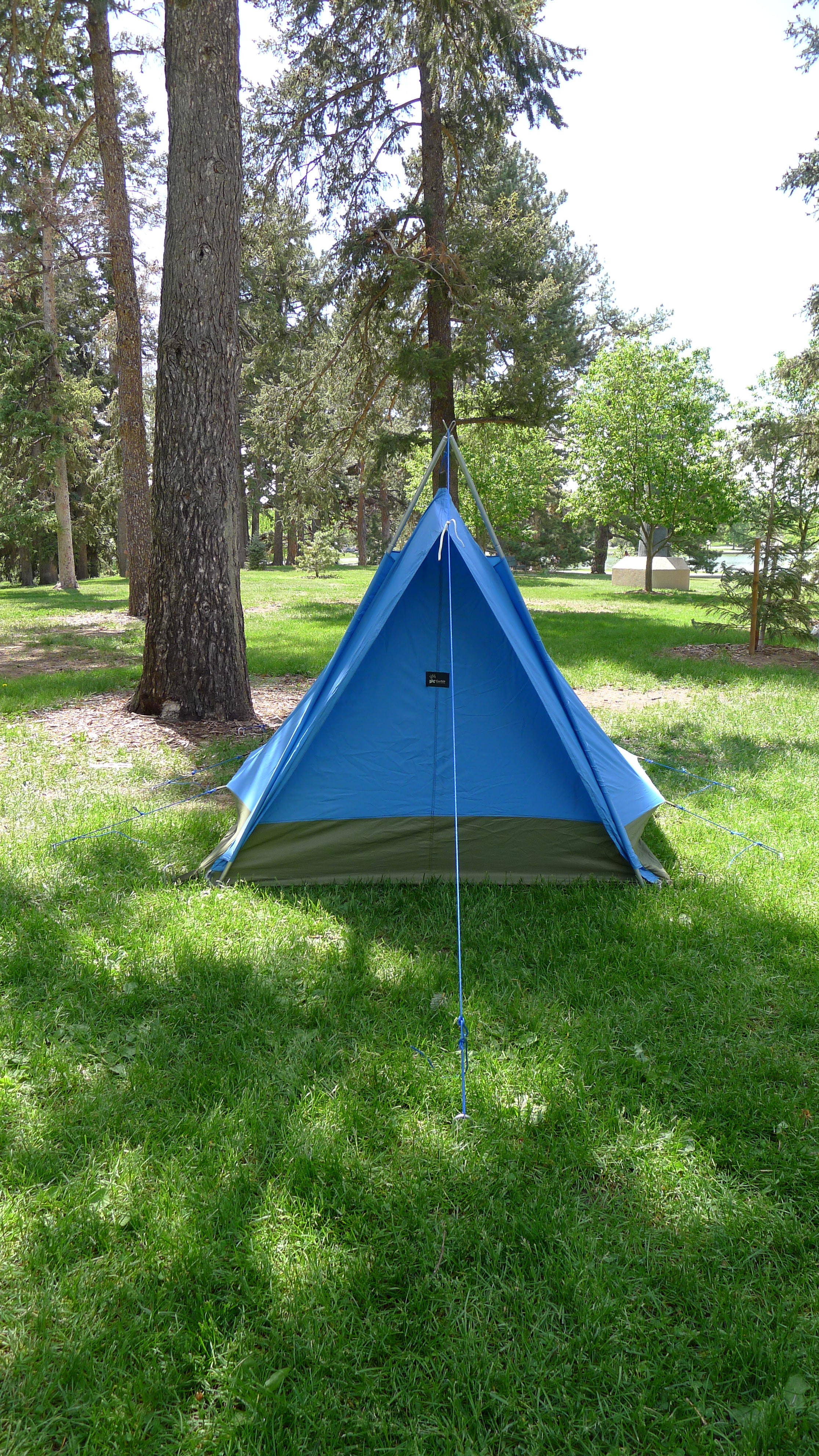
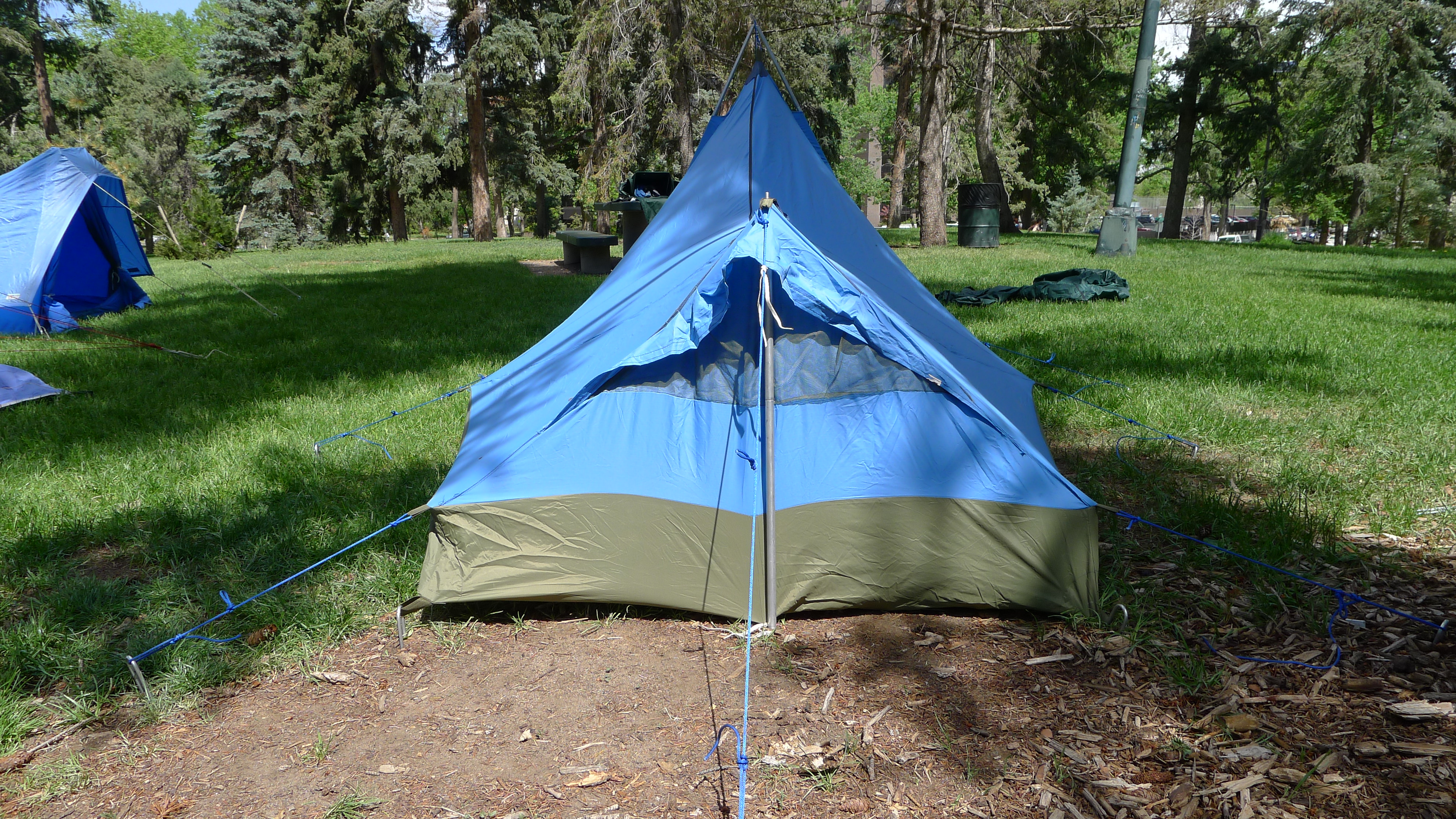
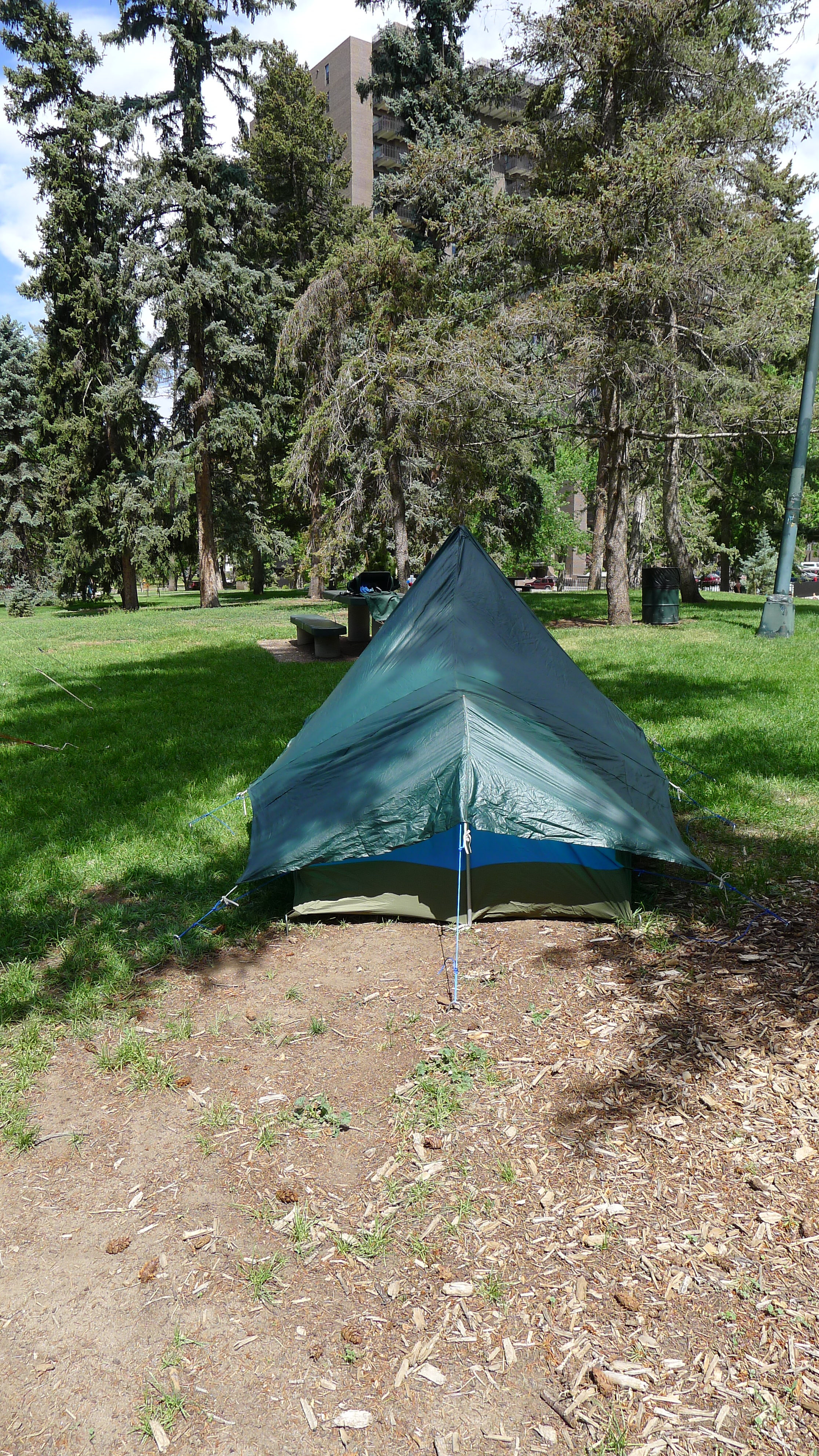
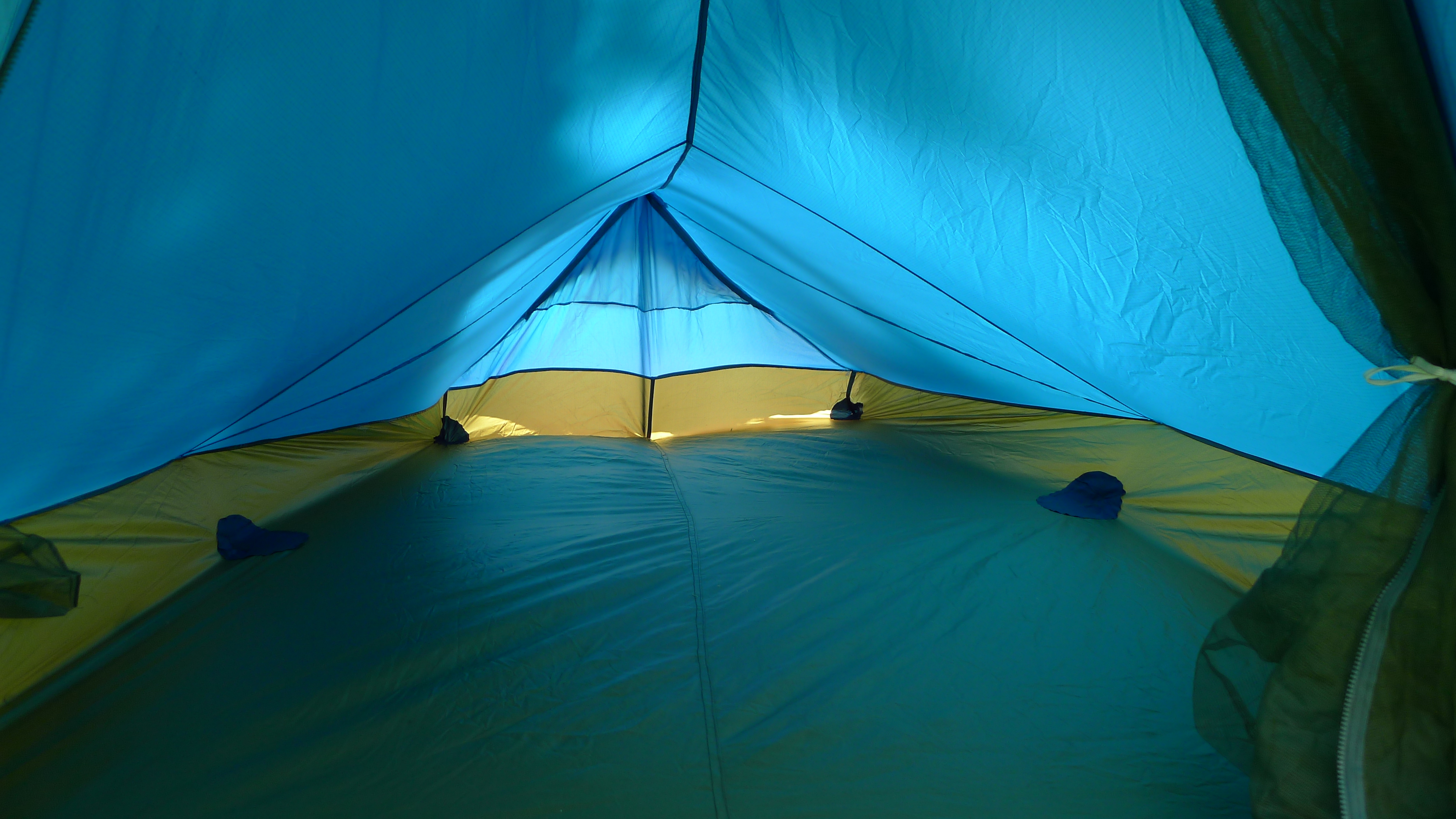
 This two-man  tent is constructed using two poles at front one at rear. The front poles fit together with loops at the top and support the tent body which is ran up over the crossed loops and pulled taut with a staked cord. The single rear pole is shorter and is secured by top and bottom grommets and staked down with a cord. The tent comes to a high point at the front and is only about half as tall at the foot. The tent has a rain fly, but does not offer  a fully enclosed vestibule. It would most likely be considered a two or three season tent.

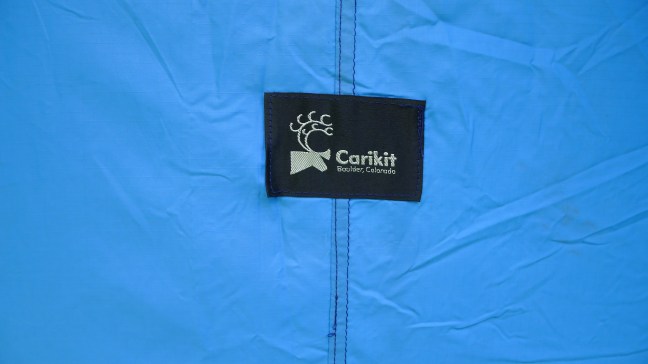
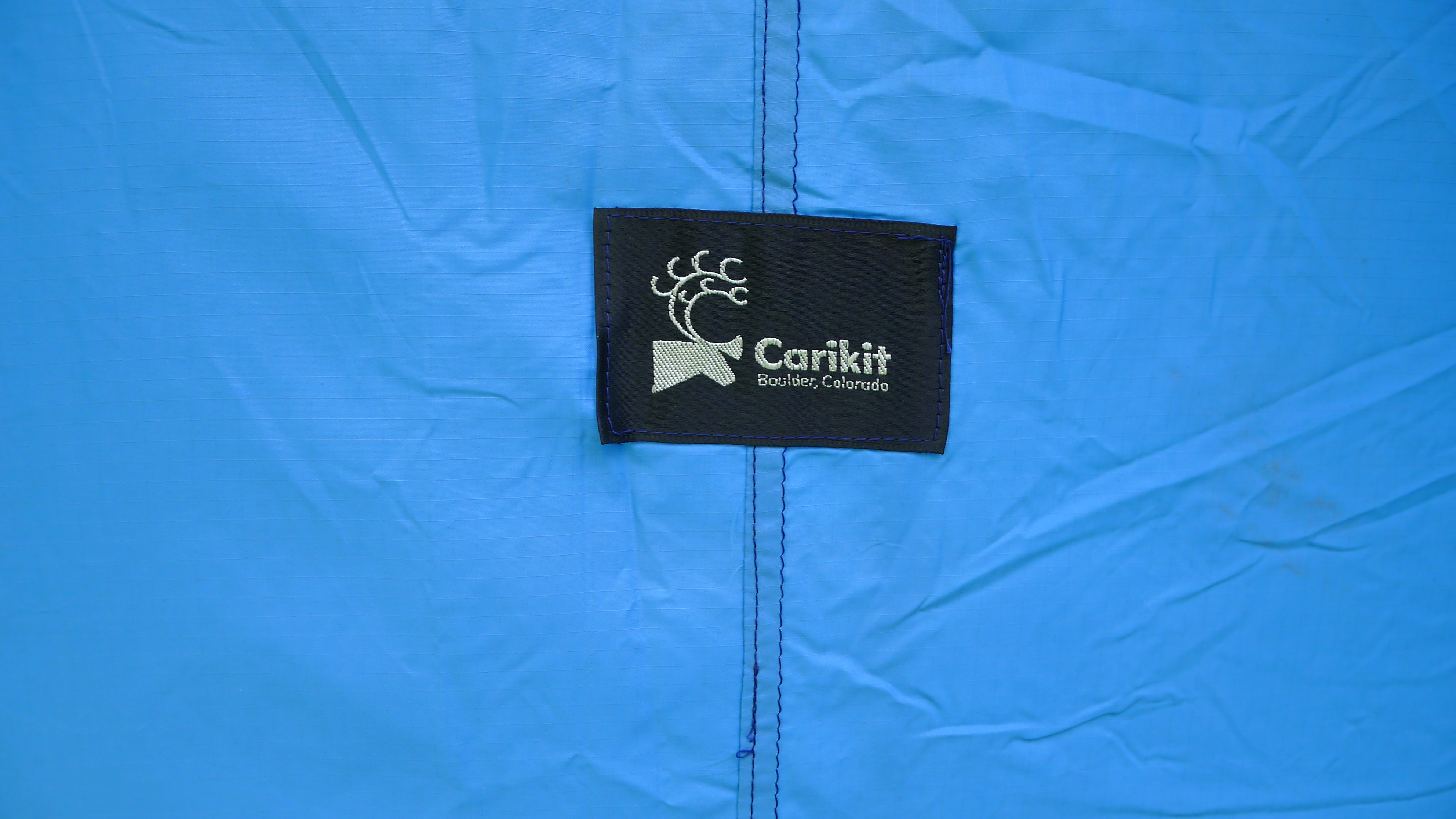
I received this tent from the original owner who said it was purchased from the original Holubar store in Boulder, Colo. in the early 70s. The tent bears a similarity to Holubar tents of the era and has good reason. Cari-Kit was the label originally used on Holubar’s line of sew-it-yourself products in 1972.  The name was later abandoned and the kits rebranded as Holubar Sew-It-Yourself Kits.

Other popular kit producers of the day include: Frostline, Altra, Eastern Mountain Sports, Country Ways, Mountain Adventure, Sundown and Plain Brown Wrapper. EMS enjoys continued success though the production of kits has since ceased. A newly resurected Holubar label produces fashionable and functional pieces in homage to the company name

Measures approx:

90″ long
60″ across
51″ high at front

Weighs approx:
6.5 lbs

This tent is available for sale.

Lee Riders Sanforized, Union Made Selvedge Denim

Lee Riders, also known as the 101Z debuted in the 1950s and represent  a transition from the company’s work wear history in to more casual, mass appeal wears.

On this particular pair the inside Tag is marked: Lee Riders Sanforized Waist 32 Union Made in the USA.  The Button back is stamped: R.  Zipper is made by Talon. Lee riveted front and coin pockets. “lazy S” stitched on rear pockets.  The “branded” Lee patch is long gone. You’ll notice on Lees, unlike Levi’s the selvedge denim self edged appears on only one side of the outer seam.

As with most items from  time and place predating the “throw-away age”, these jeans are well-worn and have been mended multiple times. There’s a bout a 4.5″ x 6″ patch on the  right thigh.  A 2″ x 3″ patch on the left side below the rear pocket. A hole and repair with red thread on the left knee, a small hole forming below the zipper on the right side front, and a 4″ hole in the left cheek with additional wear below.  Some white paint and other darker stains. Round out the patina that only time can create.

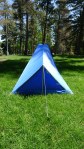
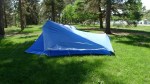
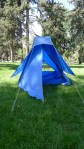
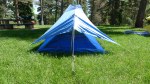
1960s Gerry Single-man Backpacking Tent

Gerry Cunningham is arguably the father of light weight camping and that’s the slogan used on this 1960s single man tent. The company he founded lived light weight, innovation and quality and proudly displayed this on their products, books and in their marketing. “warmth without the weight” is another slogan displayed on products of this era.

This innovative-for-its day tent is constructed using piece-together aluminum poles, two front, and one rear. The poles do not use shock cords. Front poles fit into a looped cross member at front and grommets in the rear. The tent goes up easily, but is not free-standing like later dome tents so it’s staked down at the corners and with front and rear guy lines. Includes rain fly and has a front vestibule on the tent body making it good for three or four seasons depending on the type of climate the user was in.

It packs up small at just over 12 inches in length and weighing approximately 5 lbs. Constructed it measures approximately:

78″ long
48″ wide
43″ high at front

Danner 31570 Gore-Tex Hiking Boots

Great boots from the great northwest. These Danner Boots are like none other that I have come across before and you’ll be hard pressed to find another pair in this style. Marked as 31570  040035, these boots share have similarities with the famous Danner Light in the form of mixed  material uppers, but are lower cut with a more casual feel. Still fully lined with Gore-text they ready to take on just about anything, from the city streets to the mountain trails.

In the early 80s, the use of synthetic fabrics in hiking boots began to take hold. Cordura along with Gore-Tex had the ability to greatly reduce the weight of a pair of boots while still allowing for dependability and weather proofing serious hikers had come to expect from their earlier leather tanks. Boots like the Vasque Sundowner and Danner Light exploded in popularity and pretty soon every boot maker had a similar option.

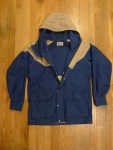
Mountain Equipment Co-op Parka

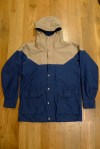
In short, Mountain Equipment Co-op was founded in Vancouver, BC circa 1971 by a group of individuals sick of crossing the border to shop at REI in Seattle. This malcontent for border crossings and a passion for quality outdoor goods has led to the MEC to become one of the largest co-ops of outdoorsmen in the world. The Co-op is still in operation today making gear for its user/owners with the same enthusiasm as they had 40 years ago.

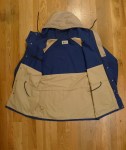
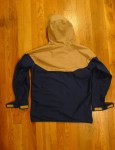
The parka seen here from the early to mid 1970s is very similar to what one would have found at REI during the same time period. It is made of a 65/35 cotton/poly blend, in an ever popular color combination for the time. What excites me the most about this parka is the thought that went in to the lining. Both the lower half of the torso and sleeves are lined in a light nylon. This allows for much freer movement as friction between the parka and any under layer is greatly reduced. The alternating of Navy and Khaki is quite nice as well.

The parka appears to have been produced under contract by Winner Sportswear LTD of Vancouver. Using local and foreign manufactures to produce items is common amongst Co-ops. Here you can see a later parka contracted by REI from Korean manufacturer Natural Comfort.

1st Lead Telluride, Colorado – Parka

This is a great parka from a rare Colorado company. First Lead exists today as an outdoor preparedness and training organization based out of Norwood Colorado, about 30 miles from Telluride. In talking with a spokesperson for First Lead I leaned the training outfit shares no direct relation to the outdoor gear company, but is cut from the same stock of friends and outdoor enthusiasts that started 1st Lead back in the 70s.   

This  piece is  typical in many ways of other parka from this era by other Colorado companies like Holubar and Frostline.  A shell constructed from a cotton blend (most likely 65/35 cotton/poly). Added weight and warmth from an inner layer of the same material. Standard parka trimmings like the yoked shoulder panel and multiple large pockets for storage. Beyond that, this parka has some major difference from its competitors. Maybe the most noticeable is the lack of a hood. It’s not that it got lost, there’s not even snaps or a zipper half to attach one too. The cut of this parka is lot shorter too, ending just below the waist as opposed to mid-thigh length. Another difference is the leather backed snaps. Not exactly sure of the purposes here, I am sure it added durability to the snaps, but it also adds weight. Peaks on the front of part of the shoulder yoke point a little more than others, and there is an absence of chest pockets. Maintains traditional accouterments like the back pocket (closed by a small talon zipper), waist cinch, and Velcro cuffs. 
Can’t wait to find more gear from 1st Lead to see what other kind of things they were doing different so many years ago!

Vintage Levi’s 501 Big E Selvedge Jeans

Levi’s Big E sevledge 501s, no patch. Double sided LEVI’S red tag. Single stitched back pocket, double coin. Top button marked with an 8.

Not exactly sure the year of manufacture on these jeans, but the lack of rivets on the back pocket and double stitched coin pocket suggests these came towards the end of the big E run. These jeans also have a pretty high-rise from the crotch to top of the jean.

These jeans have that great look only obtained with age.  Major holes on the right leg with the knee hole spanning almost seam to seam. Left leg is worn heavily from the bottom of the pocket to the knee. Great denim patches of varying sizes on each leg. Another small hole on the back of left leg an upper right side hip.  Crotch wear is not too bad, though there is a small hole. Stitching is complete still.  Great whiskering around the crotch.  Some stains and some dirt that would probably clean off.
Actual measurements:
Inseam 29″
Waist 35.5″
Rise from crotch to top of waist 11.75″ front 15″ back
Top of waist to leg hem 38.25″